
 English
 Russian
 Arabic
 Indonesian
 Turkish
 Vietnamese
 Polish
 German
 Malay
Malay Thai
Thai Kazakh
 Spanish
 Chinese (Simplified)
 Korean
 Italian
 Azerbaijani
 Dutch
Dutch French
 Romanian
 Portuguese
 Hindi
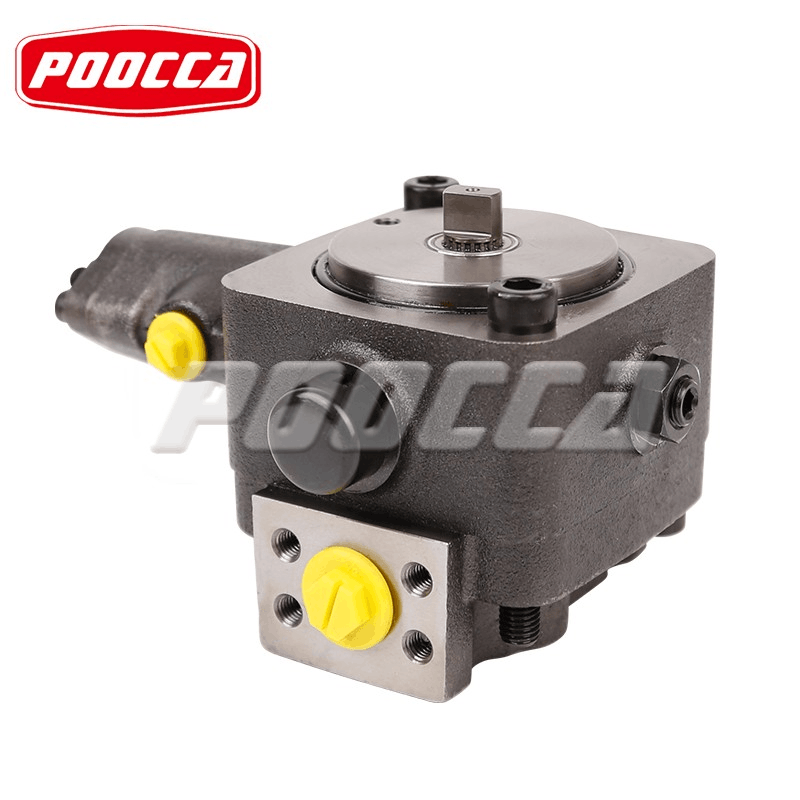
HindiAs a supplier of variable displacement vane pumps, the company has seen the strong work and range of these machine parts. This blog post looks at the inside work of a variable displacement vane pump. It checks its build, running, and the gains it brings to different fields.
 Understanding the Basics of a Vane Pump
A vane pump counts as a kind of positive displacement pump. It uses vanes to catch and move fluid from the inlet to the outlet. The main parts include a rotor, vanes, a cam ring, and a housing. The rotor sits on a shaft. It turns inside the cam ring. Vanes, often built from tough stuff like carbon or ceramic, fit in slots in the rotor. As the rotor turns, spin force and the cam ring shape make the vanes slide in and out of the slots. This shift makes spaces between the vanes, rotor, and cam ring. Those spaces grow and shrink during the turn.
Fluid comes in through the inlet port. It fills the growing spaces. As spaces hit top size, vanes pull back. This step cuts space size. It pushes fluid out through the outlet port. This loop gives steady flow at fairly even pressure. Vane pumps bring even, calm running with small beat. This fits uses that need fixed fluid send.
The Concept of Variable Displacement
Fixed displacement vane pumps send a set flow rate no matter what the system wants. Variable displacement vane pumps change flow rate based on use needs. They do this by shifting the off-center spot between the rotor and cam ring.
In variable displacement builds, the cam ring sits in a movable housing. This housing moves its place next to the rotor. When in the middle, spaces keep almost the same size. This leads to small or no flow. Off-center place grows space growth and shrink. As a result, it lifts flow rate. Change happens by hand with screws or bars. Or it takes place on its own through hydraulic or electric control setups. These setups watch pressure or flow.
This setup lets exact match of pump send to system want. It boosts full hydraulic gain.
The Working Principle of a Variable Displacement Vane Pump
The running splits into a few steps:
- Suction Stroke: Rotor turn pushes vanes out by spin force against the cam ring inner face. This makes sealed spaces. As spaces go by the inlet port, size grows. This makes low pressure that pulls fluid in.
- Compression Stroke: Spaces head to the outlet. Off-center spot makes vanes pull back. This cuts size and squeezes fluid to raise pressure.
- Discharge Stroke: At the outlet port, squeezed fluid goes out into the system. Vanes start to push out again for the next loop.
- Flow Rate Adjustment: Cam ring place shifts control size. Bigger off-center spot grows space size change and flow. Less off-center spot cuts it. Pressure helpers often run this on their own. They feel system pressure and shift the ring to keep wanted levels. At the same time, they cut extra flow.
Types of Vane Pumps and Variable Displacement Variants
Vane pumps cover single-acting, double-acting, and variable kinds.
- Single-acting vane pumps show one pull and one push area per turn. They suit low-pressure uses. They bring simple build and easy fix. But they give smaller size.
- Double-acting vane pumps hold two pull and push areas. They send higher pressure and flow. Even build cuts side push on the rotor. This boosts lasting.
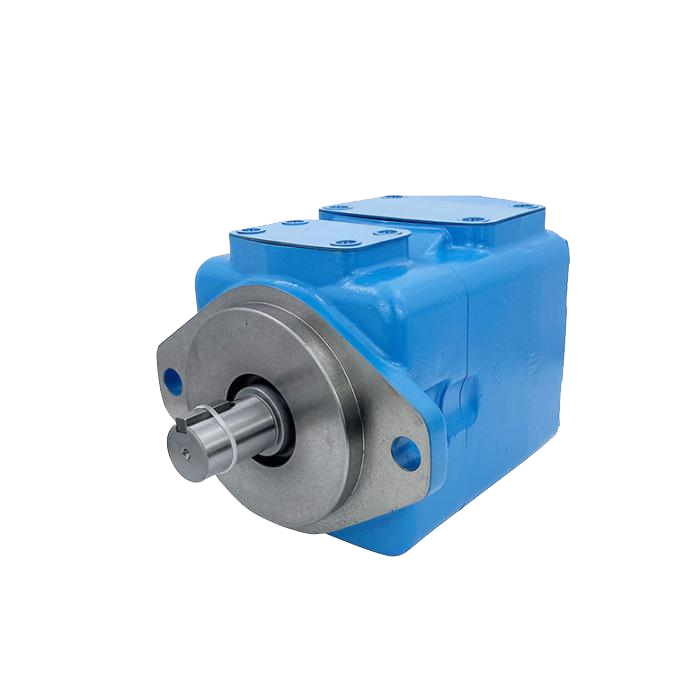
Variable displacement vane pumps grow from these rules. They often add builds like the VP-SF series or matches to Parker, Yuken, and Vickers lines. Types like those in the T6/T7 or PV2R groups back variable setups with pressure levels up to 250 bar and size ranges from 5.8 to over 269 cc/r. Parts include pin-type vane builds for better pressure hold, less sound, and longer work life.
Better stuff and exact making make sure vanes stand hard spots. At the same time, they keep high space gain. This often goes over 90%.
 Key Components and Design Features
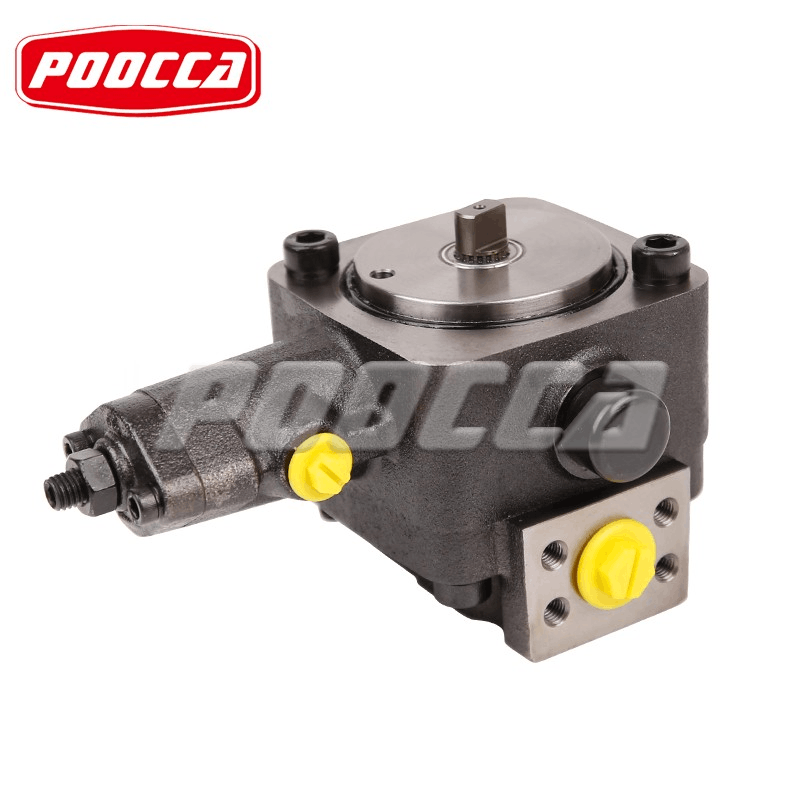
Main parts go past basic rotor, vanes, and cam ring:
- Rotor and Slots: Cut exact for even vane shift and small leak.
- Vanes: Hard stuff fights wear. Some builds use push rods or springs for better seal at low speeds.
- Cam Ring (Stator): Movable in variable types. It often has tuned curve for cut beat.
- Porting and Housing: Inlet and outlet ports sit for good flow. Even builds end side forces.
- Control Mechanisms: Pressure helpers, stroke limits, or electric-hydraulic movers let auto change. These keep set pressure while changing flow. They stop power loss from relief valves. Fixed pumps often have those.
Small build, even flow, low sound (as low as 62 dB(A) in some types), and long work life mark good variable displacement vane pumps. World rules guide setup and links for easy add and swap.
Advantages of Variable Displacement Vane Pumps
Variable displacement vane pumps bring many gains over fixed displacement and other pump kinds:
- Energy Efficiency: Flow changes to want. This cuts power use by 30-50% in change-load systems. Less extra fluid moves. So it lowers heat make and cool needs.
- Precise Control: Auto help keeps even pressure and flow. This betters system quick answer and rightness in uses with up-down wants.
- Smooth and Quiet Operation: Steady space work cuts beat and shake next to piston or gear pumps. This helps touchy places.
- Flexibility and Reliability: Wide speed ranges (600-3600 rpm in many types) and pressure skills fit varied setups. Strong build with good stuff grows work life. It cuts wear through tuned load.
- Compact Design: Smaller space and less weight help setup in tight machine spots.
These traits lead to lower run costs, higher output, and cut green harm through power save.
Applications of Variable Displacement Vane Pumps
Variable displacement vane pumps aid many fields that need good, control hydraulic power:
- Hydraulic Systems in Mobile Equipment: Diggers, loaders, forklifts, and cranes count on these pumps for exact control of cylinders and motors in lift, dig, and goods move. Change send fits varied load spots for best work.
- Industrial Machinery: Tool machines, presses, shot mold machines, and print gear gain from even flow and pressure for right runs and cut time loops.
- Automotive and Power Steering: Pumps give hydraulic aid in steer systems. This betters driver hold and safe with quick pressure change.
- Marine Applications: Steer gears, winches, and cranes on boats and ships use these pumps for sure power in rough salt water spots.
- Other Sectors: Farm work (tractors, cutters), air-space (pose control), and usual making where even power send backs hydraulic motors and movers.
POOCCA gives matching types. These include swaps for Parker T6/T7, Vickers V/VQ, Yuken, and PV2R series. They make sure smooth add across these uses.
Technical Considerations for Selection and Operation
Picking the right variable displacement vane pump means checking a few things:
- Pressure and Flow Requirements: Line up normal and top pressure levels (e.g., 210-250 bar) and size range to system wants.
- Speed Range: Make sure match with drive motor turns per minute for best gain.
- Fluid Compatibility: Thickness, heat, and dirt levels touch work. Good filter grows life.
- Control Type: Pick between hand, pressure-helped, or load-feel choices based on auto level.
- Efficiency Metrics: High space and machine gain cut power loss.
Right system plan, with enough tank size, filter, and cool, lifts pump work and lasting. Good making, like from set plants, makes sure match with rules like ISO for even results.
FAQ
What is the main difference between fixed and variable displacement vane pumps? Fixed displacement pumps deliver constant flow per revolution, while variable types adjust output by changing cam ring eccentricity to match system demand, improving energy efficiency.
How does eccentricity affect flow rate in a variable displacement vane pump? Greater eccentricity between rotor and cam ring increases chamber volume variation, resulting in higher displacement and flow. Centered positioning minimizes or stops flow.
What pressure ranges do typical variable displacement vane pumps support? Many models operate at nominal pressures of 150-210 bar with maximums up to 250 bar, depending on series such as T6/T7 or PV2R equivalents.
Are variable displacement vane pumps suitable for high-speed applications? Yes, designs support speeds from 600 to 3600 rpm, with features like low-noise vanes and balanced construction maintaining performance.
What materials are commonly used for vanes in these pumps? High-strength carbon, ceramic, or hardened alloys provide wear resistance and reliable sealing under pressure.
Contact POOCCA as Your Trusted Variable Displacement Vane Pump Manufacturer and Supplier
POOCCA stands as a leading manufacturer and supplier with over 20 years of experience in designing, producing, and delivering high-quality hydraulic components, including a full range of vane pumps. Operating from facilities in Guangdong, Jiangsu, Zhejiang, and with global reach to more than 120 countries, POOCCA integrates R&D, manufacturing, and technical support to provide reliable solutions at competitive factory prices. With a comprehensive lineup featuring models compatible with major brands and custom options available, along with a 12-month warranty and dedicated service, POOCCA serves as the source factory partner for hydraulic system needs. Reach out via email at sales@kamchau.com or phone at +86 18927498997 to discuss specifications, request quotations, or explore customization for variable displacement vane pumps. Visit the website to review detailed product catalogs and discover how POOCCA can support efficient hydraulic power transmission requirements.