
 English
 Russian
 Arabic
 Indonesian
 Turkish
 Vietnamese
 Polish
 German
 Malay
Malay Thai
Thai Kazakh
 Spanish
 Chinese (Simplified)
 Korean
 Italian
 Azerbaijani
 Dutch
Dutch French
 Romanian
 Portuguese
 Hindi
HindiAs an integral part of a control center, the spool valve is an indispensable part of the water system. Sees precise control of flow, pressure and flow direction through a continuous spool valve in the valve body to ensure smooth and efficient operation of the fluid system. Spool valves come in a variety of types and applications, from small water supply systems in everyday life to large -scale industrial production.
Basic Concept of Spool Valves
A spool valve is a valve that controls the flow of fluid by changing the position of the spool in the valve body. Spool valve, as the core component of the valve, its shape, size, material and other design directly determines the performance of the valve. The opening and closing of the spool valve, as well as the flow of fluid, are realized through the movement of the spool. There are many types of spool valves, and each type of valve has its specific application scenario and performance characteristics.
Spool Valve Principle of Operation
The core of the spool valve operating principle lies in the movement of the spool within the valve body and the resulting fluid control effect. The spool is moved within the valve body by the valve stem when actuating force is applied by a drive unit. The movement of the spool changes the flow area of the fluid passage, thereby regulating the flow rate, pressure and direction of flow.
Specifically, the movement of the spool can be divided into three stages: opening, closing and regulating. In the opening stage, the spool moves away from the direction of the valve seat, the flow area of the fluid channel gradually increases, and the fluid flow increases; in the closing stage, the spool moves closer to the direction of the valve seat, and the flow area of the fluid channel gradually decreases, and the fluid flow decreases; in the regulating stage, the spool stays at a certain position, and the flow rate, pressure, and direction of flow are precisely controlled through the fine-tuning of the spool’s opening degree.
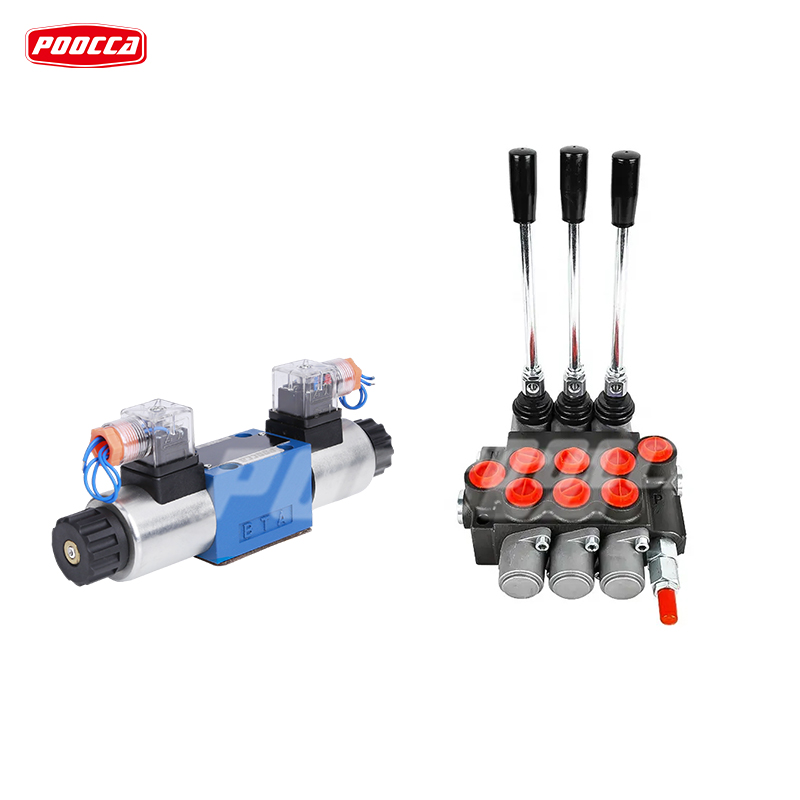
Poocca hydraulic supplier sells hydraulic valves of Rexroth Parker Vickers and other brands, welcome your consultation.
In the process of spool movement, seals play a key role. When the spool and the valve seat close fit, the formation of an effective seal to prevent fluid leakage; when the spool moves, the seals are deformed to adapt to the movement of the spool, to maintain the sealing effect.
Moreover, it is crucial to note that the operational dynamics of the spool valve are considerably influenced by certain parameters such as fluid characteristics, systemic pressure levels, temperature variations and other pertinent factors. Henceforth, these critical elements necessitate thorough consideration whilst designing and selecting spool valves in order to guarantee their compatibility with practical application requisites.
Structural Characteristics of Spool Valves
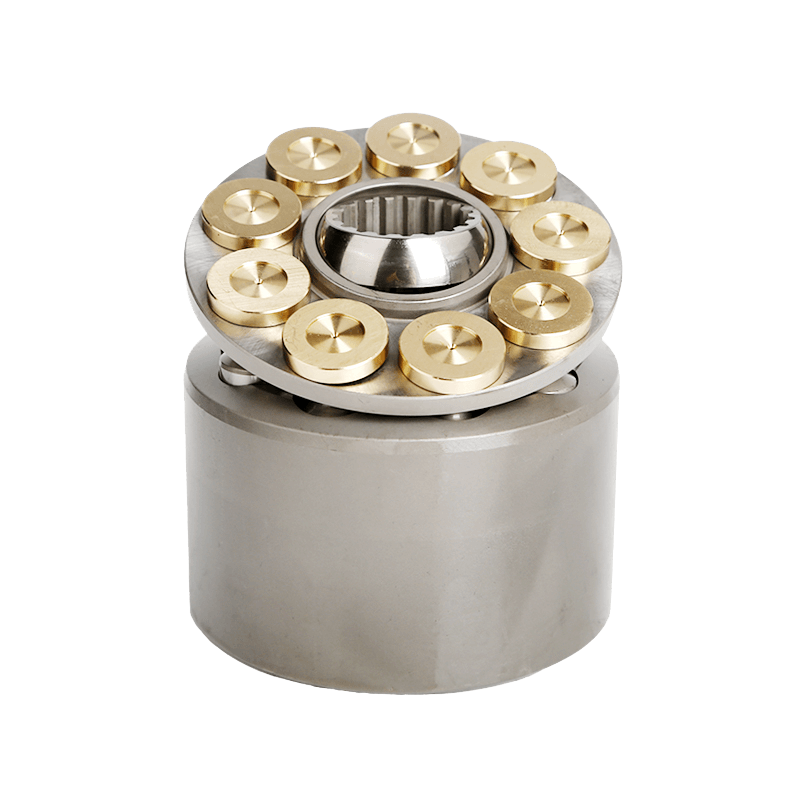
The arrangement of a spool valve basically consists of parts such as the valve body, spool, stem, actuator and seal.
Body: The body consists primarily of the body of a spool valve, usually made of steel, through which the flow passages are designed to allow fluid to flow through it. Factors such as fluid properties, pressure and temperature are considered in the design of the valve body to ensure that it can withstand the challenges of the industry.
Spool: The spool is the main component of a spool valve, and is shaped and sized according to the valve type and application requirements. Spool valves are typically made of corrosion and corrosion resistant materials to ensure long, durable service life.
Stem: The stem connects the spool to the actuator and is the main transmitter of the driving force of the spool. Strength and stability were used to design the pole to withstand driving forces and transmit motion smoothly.
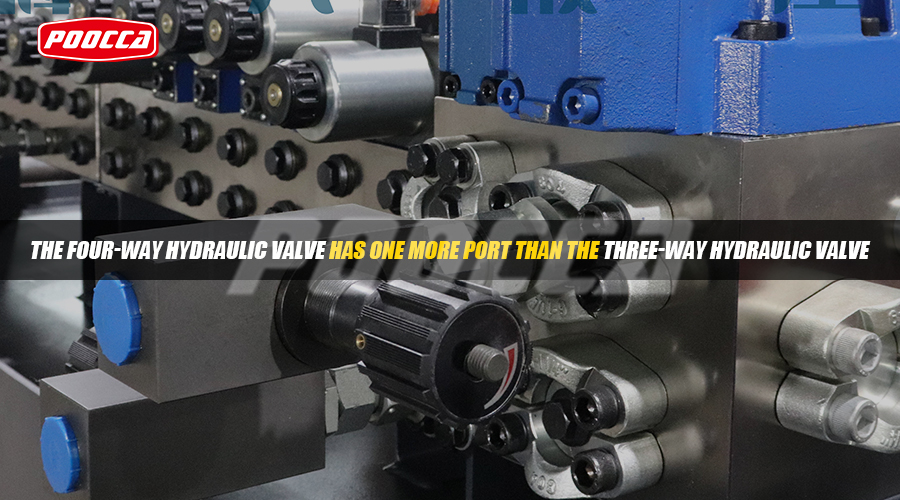
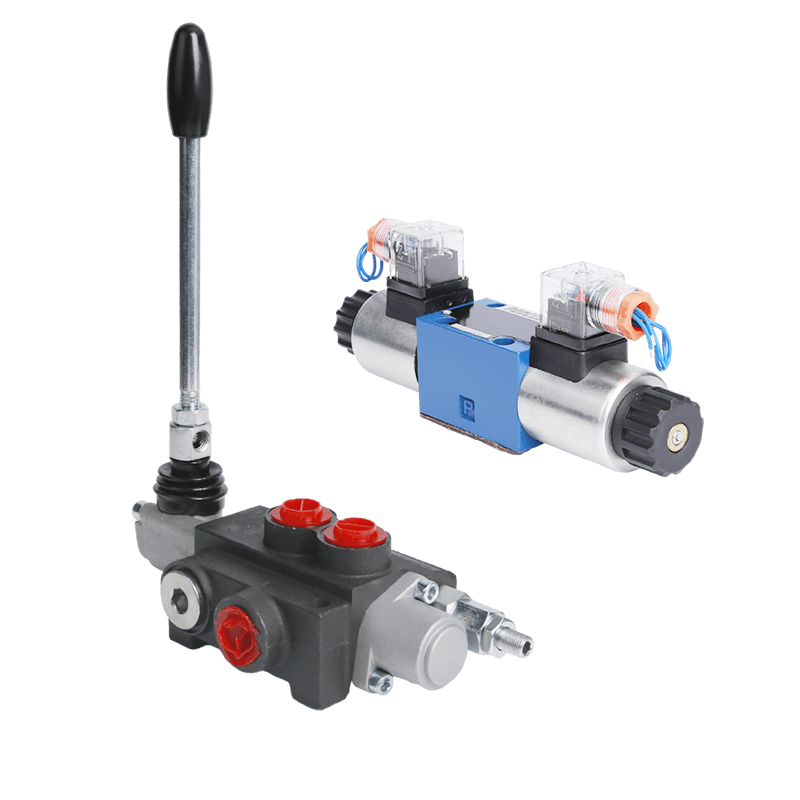
Drive mechanism: The driving mechanism is used to provide driving force to the spool in the valve body. Actuators can be manual, electric, pneumatic, etc. The specific choice depends on application requirements and workplace conditions.
Seal: A seal is used to ensure a tight fit between the spool and seat to prevent leaks. Money is usually made of solid materials that are very pure and corrosion resistant.
The structural characteristics of spool valves are mainly reflected in their compactness, sealing and adjustability. Compact structural design makes the spool valve can be installed and used in limited space; good sealing performance to ensure that the fluid will not leak, to ensure the safety and stability of the system; and accurate adjustment performance makes the spool valve according to the actual demand for precise control of fluid flow, pressure and flow direction.
Conclusion
As a key component in the fluid control system, the structure and working principle of spool valves are of great significance to ensure the normal operation of the fluid system. By understanding the definition, classification, structural characteristics and working principle of spool valves, we can better select and use spool valves to improve the efficiency, safety and stability of fluid control systems.