 English
 Russian
 Arabic
 Indonesian
 Turkish
 Vietnamese
 Polish
 German
 Malay
Malay Thai
Thai Kazakh
 Spanish
 Chinese (Simplified)
 Korean
 Italian
 Azerbaijani
 Dutch
Dutch French
 Romanian
 Portuguese
 Hindi
HindiHydraulic pumps and motors act as main parts in fluid power setups for factory and moving machines. These pieces change mechanical energy into hydraulic power and back again. They affect how well the system works, how much power comes out, and how long things last. Engineers and techs gain a lot from knowing their basic ideas, uses, and ways to make them run better. This talk covers core ideas, part roles, types, gains, efficiency points, care steps, and real-life cases.
Introduction to Hydraulic Systems
What is a Hydraulic System?
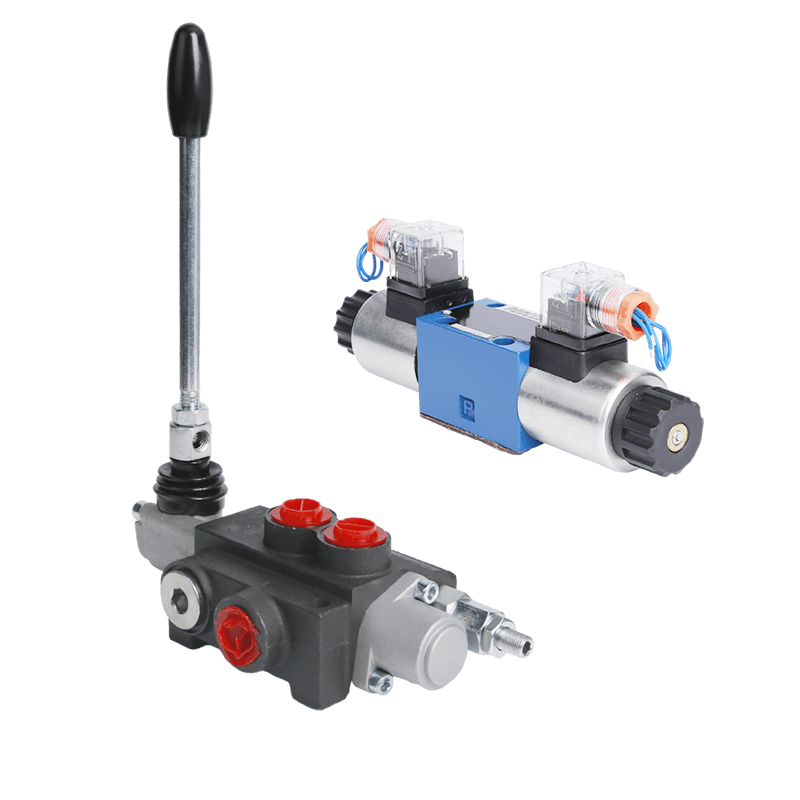
A hydraulic system uses pressed fluid to create force and movement. It follows Pascal’s Law, where pressure spreads evenly through closed fluid. This allows good energy move and big force growth. Main parts include a hydraulic pump, tank, valves, actuators, and lines. The pump pulls fluid from the tank and presses it for flow. Valves control direction and amount. Actuators turn hydraulic power into mechanical work. Closed-loop setups cut energy waste and give high trust.
Hydraulic systems bring great power in small size, exact control, and heavy-load strength. This makes them key in building machines like diggers, factory presses, and plane uses. Setups range from simple ones to complex ones made for special needs. They use fluid rules for wide work.
The Role of Pumps and Motors in Hydraulics
Pumps and motors build the base of hydraulic paths by switching energy types. Hydraulic pumps pull fluid from the tank and make pressed flow for system spread. Hydraulic motors flip the process. They turn pressed fluid into turning mechanical power or torque to run machines.
Common pump types include:
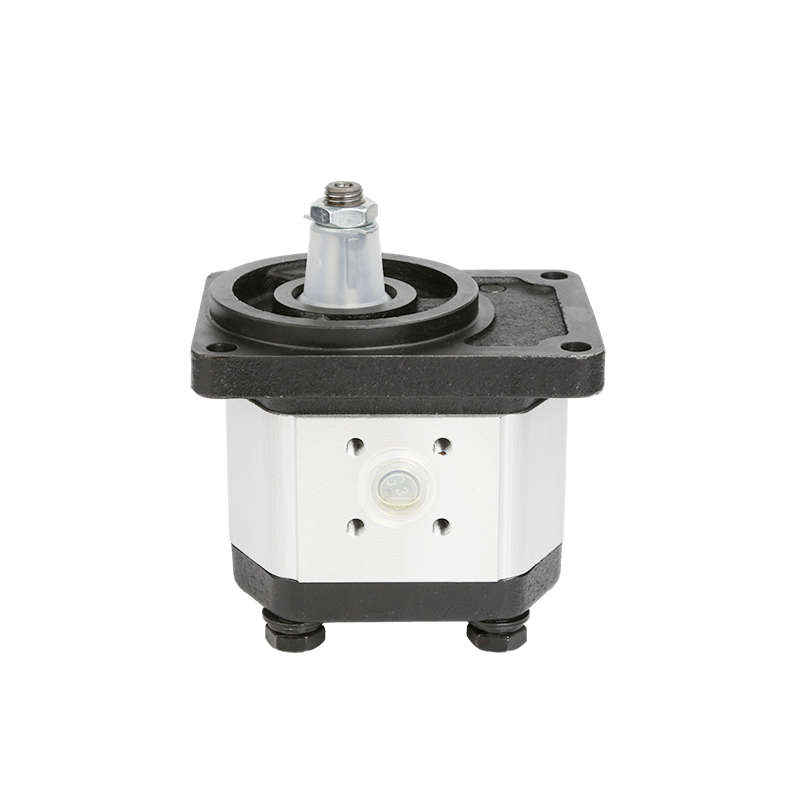
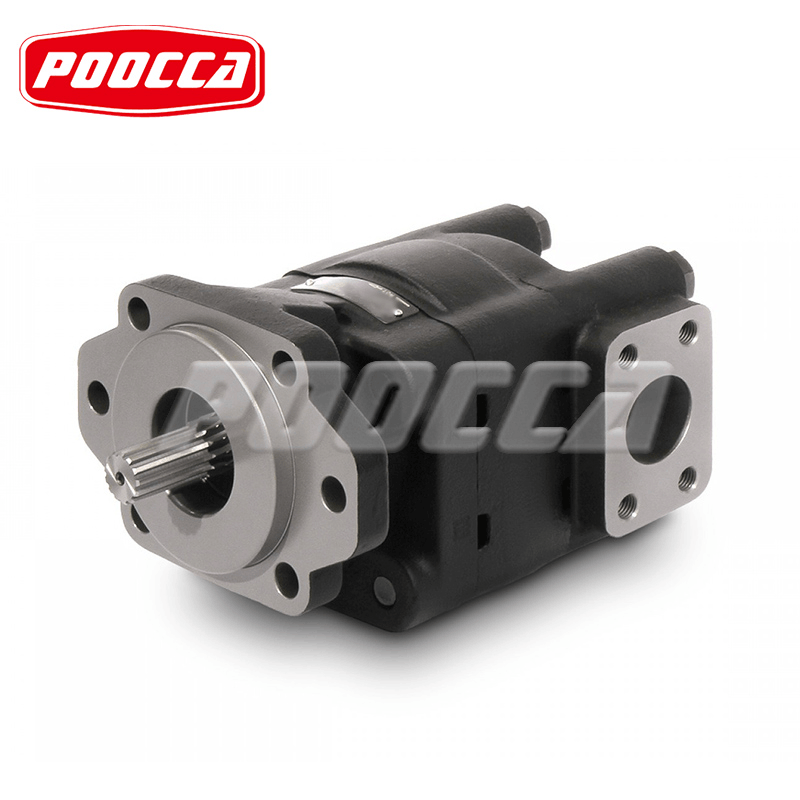
- Gear Pumps: Simple, steady, and cheap designs using meshed gears for fluid move. Good for low to medium pressure jobs in factory tools and light building.
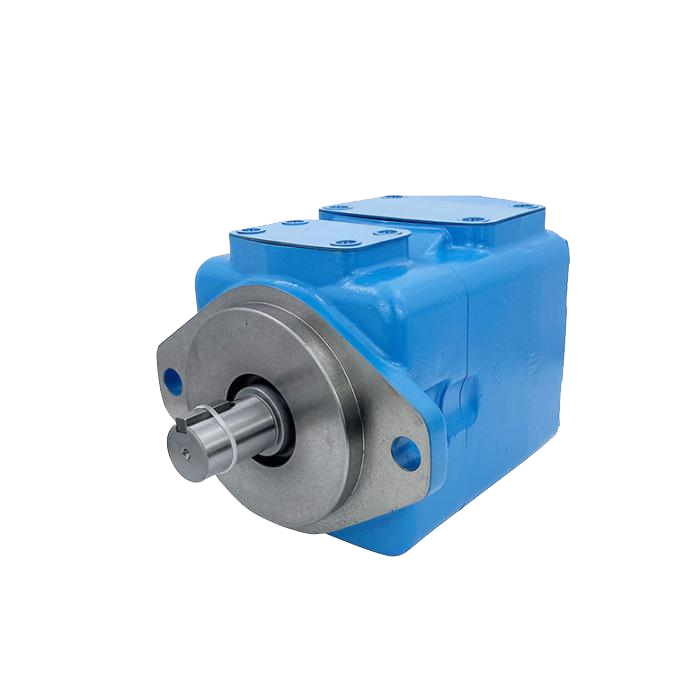
- Vane Pumps: Have turning vanes for smooth, even flow. Work well in medium-pressure spots like molding and car transmissions.
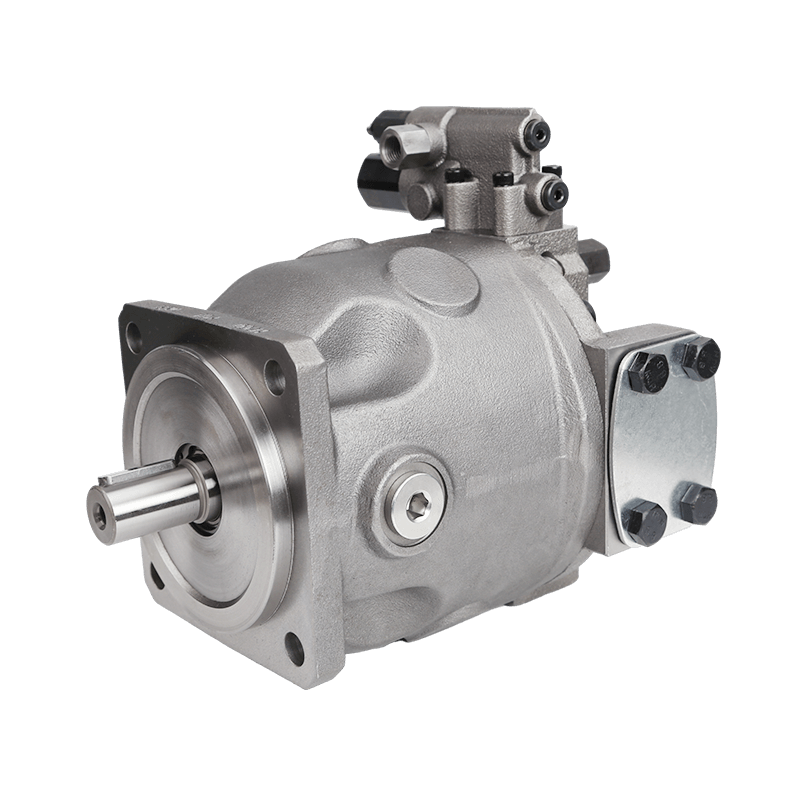
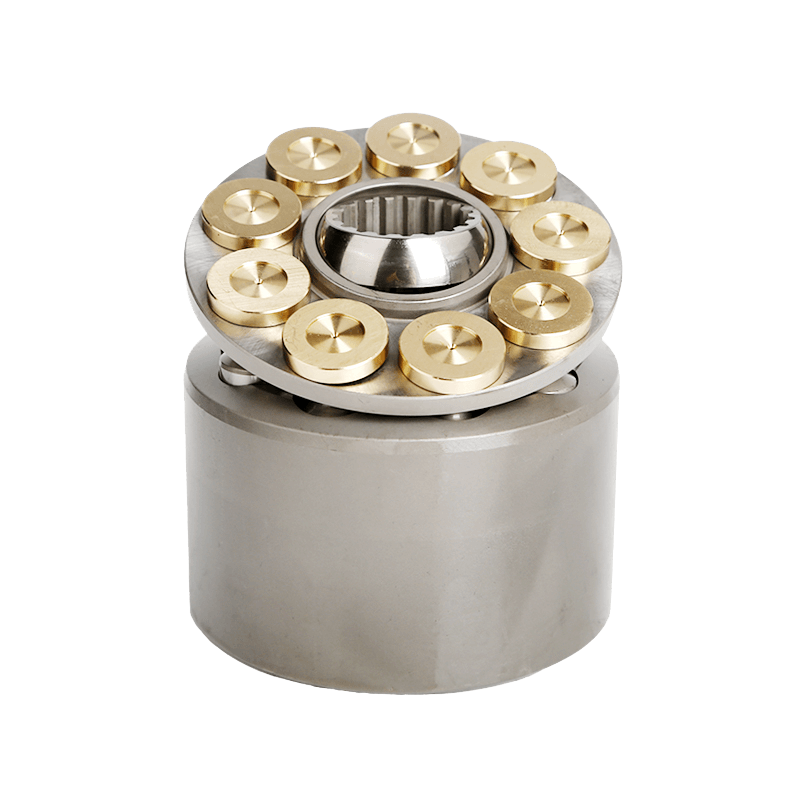
- Piston Pumps: Moving pistons allow high-pressure work with clearness. Best for hard uses in cranes, mining, and aircraft.
Motor types match pumps:
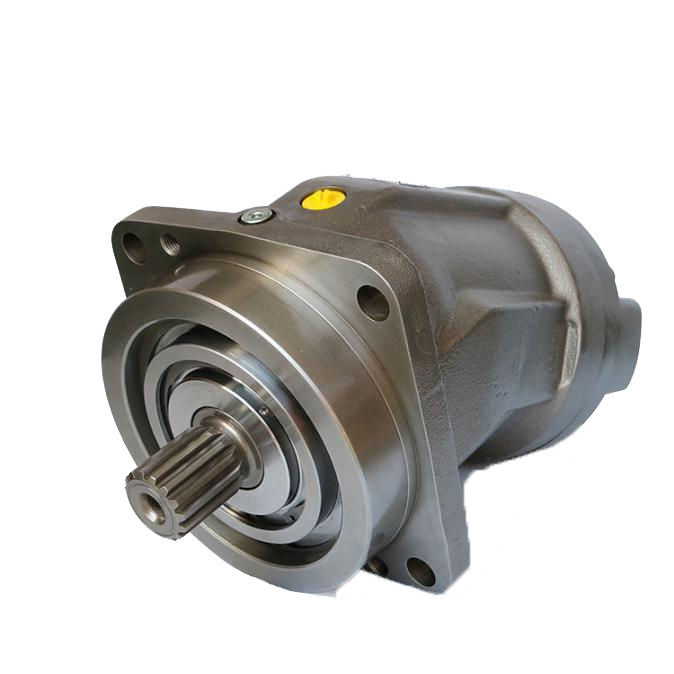
- Axial Piston Motors: Give high efficiency and torque in high-pressure spots. Common in heavy gear and moving hydraulics.
- Radial Piston Motors: Bring big low-speed torque. Used in winches, conveyors, and drill rigs for tough work.
These parts allow exact, strong hydraulic work in many fields.
Benefits of Using Hydraulic Pumps and Motors
Hydraulic systems give clear gains for factory and moving uses.
- High Power Density: Great power-to-weight ratios allow small designs to handle huge loads. Motors reach torques over 10,000 Nm.
- Accuracy and Control: Fine tuning of speed, pressure, and force allows tolerances as close as ±0.1 mm with control valves.
- Durability and Reliability: Parts stand pressures up to 700 bar in rough spots like mining and building. This cuts stop time.
- Energy Transfer Efficiency: Systems hit about 90% efficiency. This lowers running costs in long-run jobs.
- Flexibility and Scalability: Mix designs fit from small robots to big machines. They change with new needs.
These points make hydraulic pumps and motors key for better work and factory needs.
Types of Hydraulic Pumps
Overview of Hydraulic Pump Types
Hydraulic pumps split into groups based on build and work: gear pump, vane pump, piston (axial/radial) pump, and others. Each fits certain pressure, flow, and job needs.
- Gear Pumps: Basic gear setups give steady displacement for low-pressure systems in lube and gear.
- Vane Pumps: Slotted rotors with moving vanes ensure smooth, quiet work in material handling and planes.
- Piston Pumps: Flexible for high-pressure exactness in building and heavy making.
- Axial and Radial Pumps: Give clear control and high power in presses and molding.
Choice depends on system needs to improve work and life.
Vane Pumps: Characteristics and Applications
Vane pumps, a positive displacement kind, use rotor-mounted vanes sliding in a space. Designs cut pulse for even delivery. Gains include handling thin fluids, self-fix wear from spin force, long life, and less care.
Uses cover hydraulic setups, fueling, cooling, and car transmissions. New models use fresh materials and layers for better efficiency and wear fight in key work.
Comparative Analysis of Hydraulic Pump Types
| Pump Type | Max Pressure | Max Flow | Efficiency | Cost | Noise | Applications |
| Gear | 175 bar | 300 l/min | Moderate | Low | Moderate | Industrial |
| Vane | 175 bar | 500 l/min | High | Moderate | Low | Utility vehicles |
| Axial Piston | 700 bar | 650 l/min | Very High | High | Moderate | High-pressure |
| Radial Piston | 700 bar | 650 l/min | Very High | High | Moderate | Cranes, snow apps |
| Centrifugal | 20 bar | 3000 l/min | Low | Low | High | Low-pressure |
Understanding Hydraulic Motors
How Hydraulic Motors Work
Hydraulic motors turn pressed fluid energy into turning mechanical power. Fluid from the pump enters motor spaces. It pushes on inside parts like gears, vanes, or pistons to spin the output shaft. Efficiency depends on pressure level, torque, displacement, and flow size.
New designs add strong sealing, tough materials, and exact build to handle pressures up to 700 bar and flows over 650 l/min in hard spots.
Different Types of Hydraulic Motors
- Gear Motors: Tough and cheap for medium torque/speed in farming and conveyors.
- Vane Motors: Balanced for smooth work in auto systems and medium-pressure moving gear.
- Piston Motors: High-efficiency types for pressures over 450 bar in building and mining.
- Radial Piston Motors: Great low-speed torque for winches and cranes in tough spots.
Choice matches work torque, speed, and surroundings.
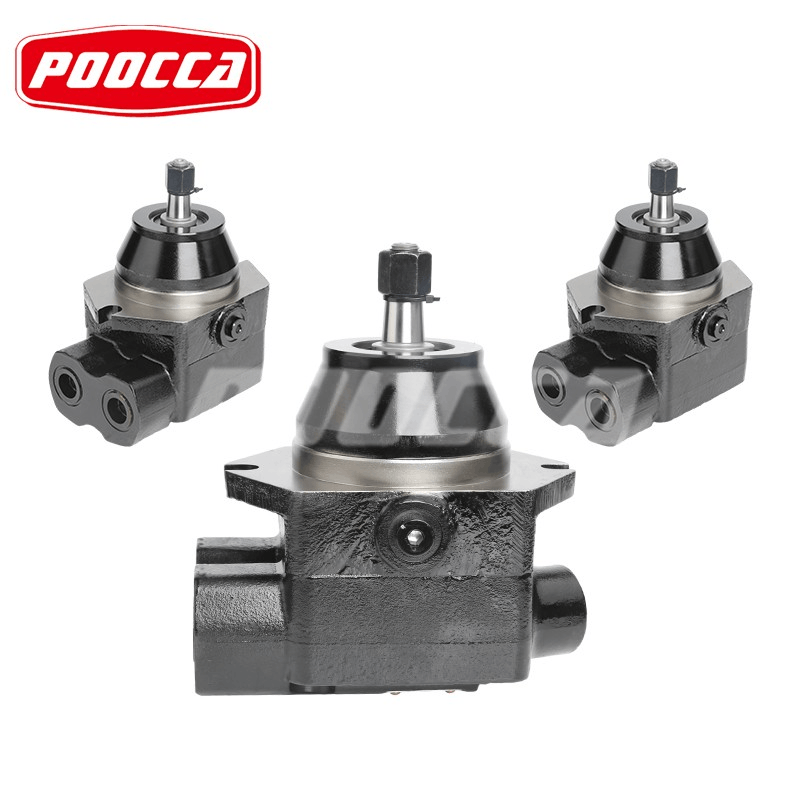
Applications of Hydraulic Motors in Various Industries
Hydraulic motors meet high-torque needs in hard fields.
- Construction Industry: Power exact moves in diggers, bulldozers, and cranes.
- Agricultural Industry: Run harvesters, tractors, and water systems with steady power.
- Oil and Gas Industry: Work drill rigs and underwater gear under big pressure.
- Manufacturing Industry: Allow presses, molding machines, and conveyors with even force.
- Mining Industry: Help crushing, moving, and drilling in dusty, heavy-load spots.
These uses show trust in many tough places.
Hydraulic Pump and Motor Efficiency
Factors Affecting Efficiency
Efficiency covers mechanical, flow, and total kinds. It changes with:
- Internal Leakage: Cuts output; lowered by exact gaps.
- Mechanical Friction: Makes heat; fixed with lube and materials.
- Temperature Control: Keeps thickness; needs cooling setups.
- Fluid Condition and Maintenance: Stops wear from dirt.
- Component Wear and Tolerance Accuracy: Regular checks keep work good.
- Working Pressure and Speed: Stay in design limits to avoid loss.
Improving Pump and Motor Efficiency
Right sizing matches load needs. Good fluid care, like filtering and change, cuts rub. Variable displacement setups change output as needed. Sensors and smart tools watch health for early fixes.
Real-World Efficiency Examples
Molding uses servo hydraulics for up to 60% energy save with clear control. Diggers use load-sense variable pumps to match flow/pressure. This lengthens part life. Hybrid hydraulic-electric setups in trucks catch back energy. They hit up to 30% fuel cut.
Maintenance and Troubleshooting
Essential Maintenance Tips for Hydraulic Equipment
- Regular Fluid Checks: Watch level and quality; change on time.
- Filter Replacement: Stop dirt entry; change on pressure drop.
- Check Hydraulic Hoses and Connections: Look for wear and tighten fits.
- Achieve the Right Pressure for the System: Check with gauges.
- Monitor Unusual Noises and Vibrations: Fix cavitation or off-line early.
- Temperature Management: Use cooling for steady run.
- Scheduled Preventive Maintenance: Include flush and tune.
Frequently Asked Questions (FAQ)
Q: What are the different types of hydraulic pumps?
A: Types include gear, vane, piston (axial/radial), with changes for pressure and flow needs.
Q: How does a hydraulic pump motor work?
A: The pump presses fluid from a tank; the motor uses this pressure to create torque through inside move parts.
Q: What factors affect the efficiency of the pump?
A: Inside leaks, rub, heat, fluid state, wear, and work settings affect efficiency.
Q: Can a hydraulic motor be used in low-pressure applications?
A: Yes, special low-pressure builds work well without lock-up.
Q: What is the role of hydraulic gear pumps in hydraulic systems?
A: Gear pumps give steady flow and pressure for reliable work in many machines.
Q: How do piston pumps and motors compare to gear pumps?
A: Piston types give higher efficiency and pressure ability but more complex than gear builds.
Q: What are the common causes of hydraulic system failure?
A: Dirt, poor care, and bad setup lead to breakdowns.
Partner with a Reliable Hydraulic Manufacturer and Supplier
Business seeking high-quality hydraulic pumps, motors, vane pumps, gear pumps, piston pumps, valves, and custom solutions benefit from partnering with a dedicated factory. POOCCA stands as a manufacturer, supplier, and factory specializing in these components, offering competitive factory-direct pricing, fast delivery, 12-month guarantees, and customization for global industries. Contact POOCCA today for tailored hydraulic products and expert support to enhance system performance. Reach out via sales@kamchau.com or +86 18927498997 for quotations and specifications.