
 English
 Russian
 Arabic
 Indonesian
 Turkish
 Vietnamese
 Polish
 German
 Malay
Malay Thai
Thai Kazakh
 Spanish
 Chinese (Simplified)
 Korean
 Italian
 Azerbaijani
 Dutch
Dutch French
 Romanian
 Portuguese
 Hindi
HindiHydraulic vane pumps drive industrial machines, mobile gear, and production setups in many factories. Many users ignore the basic differences between fixed displacement and variable displacement types. This lack of knowledge leads to wrong pump choices, poor performance, and early breakdowns. As a result, workers lose time and face extra repair costs.
Picking between fixed and variable displacement hydraulic vane pump setups affects system output, power use, and work ability a lot. Variable displacement tech changes output to fit current needs. Fixed displacement types give steady flow at a smaller starting price. Knowing these differences aids equipment builders and repair experts in choosing the best pumps.
This review explains how various hydraulic vane pump working principles provide certain performance traits. It points out best uses for each type. It also lists choice guidelines. Good knowledge allows fitting pumps to work needs without extra trouble or unused features.
Understanding Hydraulic Vane Pump Working Principles
Vane pumps create hydraulic flow by using turning parts that form growing and shrinking spaces to pull fluid in and push it out under force. This method works in all vane pump types. Design changes lead to different performance traits.
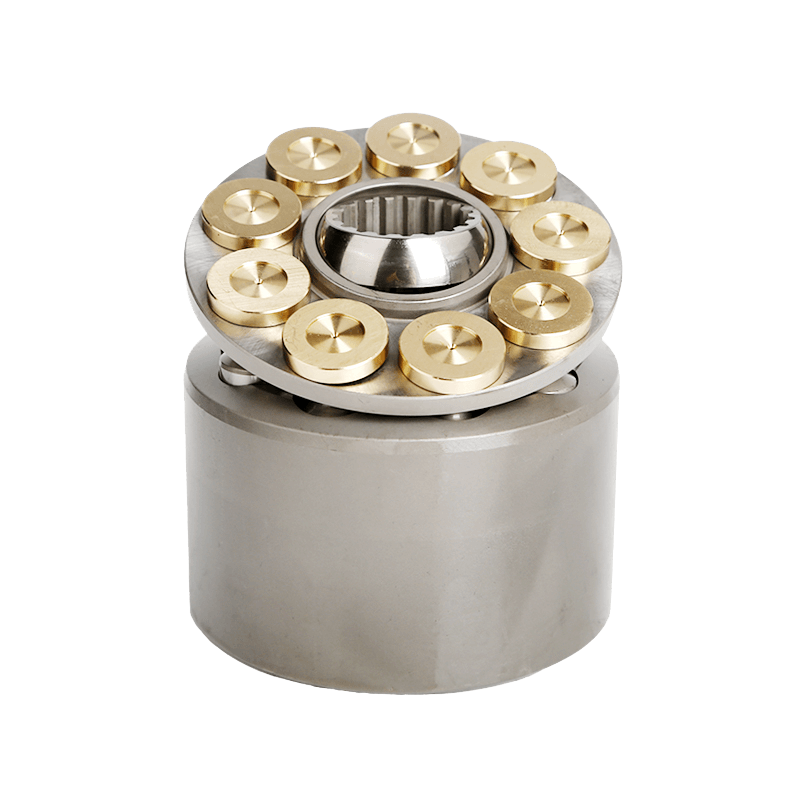
- Rotor and vane assembly makes the main part. A slotted rotor turns inside an egg-shaped or off-center cam ring. Spring-loaded or pressure-helped vanes slide in rotor slots. They keep touch with the cam ring inner surface. Centrifugal force and hydraulic pressure push vanes outward for tight sealing.
- Chamber volume variation happens with rotor position against the cam ring. Growing chamber volume on one side makes a vacuum for inlet flow. Shrinking volume on the other side pushes fluid through the outlet under pressure.
- Balanced design in good vane pumps uses two pumping chambers set 180 degrees apart. This evens out side forces on the rotor and bearings. It allows higher working pressures and longer life than unbalanced single-chamber types.
Current vane pumps, such as those that work with Parker, Yuken, Vickers, Eaton, and Denison series, reach high volumetric efficiency, low sound, and steady performance in tough tasks.
Fixed Displacement Pump Design and Characteristics
Fixed displacement pumps give steady flow output at a set RPM. This output stays the same no matter the system pressure or load. The cam ring position does not change. It keeps chamber volume changes the same.
- Flow output changes only with shaft speed. Doubling RPM doubles flow. This creates a direct link with prime mover speed. Such predictability eases design. But it limits options.
- Pressure independence means the pump tries for rated flow until a relief valve starts. It uses about the same power at 500 PSI or 3,000 PSI. This holds true no matter the actual work done.
- Energy efficiency drops in changing flow needs. Extra flow often goes over relief valves. This makes heat and wastes power.
- Cost advantages come from basic build with fewer moving parts. This cuts starting costs and upkeep ease. These pumps fit tasks with even flow needs.
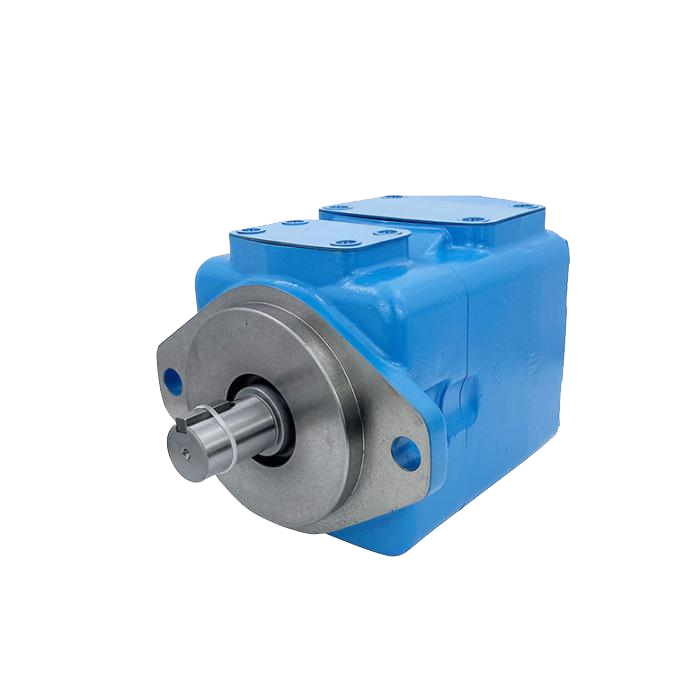
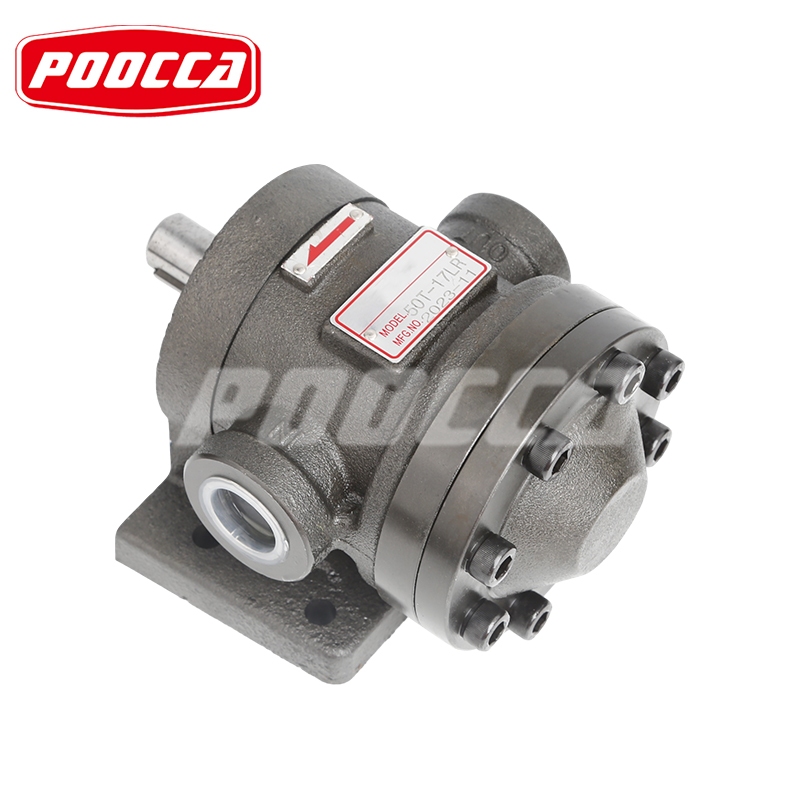
Application strengths cover low-pressure systems, steady work operations, and cases that value ease and dependability. Common uses include machine tool power units, industrial presses, and production gear with known cycles. Models like Yuken 50T/150T/250F fixed displacement single vane pumps and various Vickers V series offer solid performance.
Variable Displacement Pump Technology
Variable displacement types change output flow to fit system needs. They boost energy output and handling. These pumps alter chamber volume by moving the cam ring against the rotor.
- Displacement control mechanisms rely on hydraulic pressure, springs, or electronic actuators. Moving the cam ring shifts eccentricity. This changes chamber volume variation. Maximum displacement happens at full offset. Zero displacement occurs when centers line up.
- Pressure compensation appears often. At set pressure, the control cuts displacement to hold pressure while dropping flow. The pump shifts on its own from zero to maximum based on needs.
- Load sensing improves this by matching both pressure and flow. It keeps pressure just above load needs for more output gains.
- Power limiting stops going over maximum ratings by cutting displacement as pressure grows. This guards prime movers from overload.
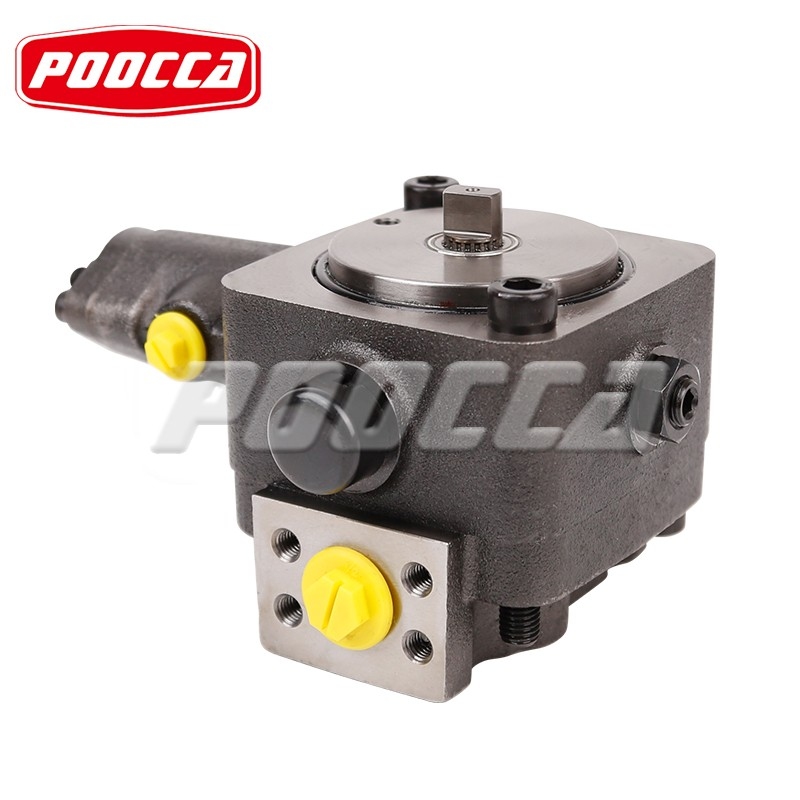
POOCCA provides several variable vane pump choices, including flange-type models and series that match industry standards for exact control.
Variable Displacement Vane Pump Advantages
Variable displacement vane pumps bring output and performance gains that usually cover higher starting costs.
- Energy savings of 30-50% happen by making only needed flow. This avoids steady maximum output and relief valve bypassing.
- Heat reduction comes from less power waste. It cuts cooling needs and lengthens fluid life.
- Reduced noise stems from lower average pressures and no high-flow bypassing. This makes quieter settings.
- Component protection gets better through auto pressure limiting that stops overpressure harm.
- Operational flexibility lets one pump manage changing loads well.
Comparing Vane Pump Types Performance
Efficiency curves display fixed displacement pumps at steady efficiency. Variable types do well at partial loads. This matters for changing work cycles.
Response characteristics vary: fixed pumps react right away to speed shifts. Variable units adjust through pressure signals with small delays. But they match loads better.
Pressure capability hits like levels (often 2,500-3,000 PSI continuous) in solid builds for both types.
Flow capacity per size leans a bit toward fixed types due to easier insides. But variable output often allows smaller picks for same performance.
Other performance factors cover volumetric efficiency (frequently over 90% in top models like Vickers VQ), sound levels as low as 62 dB(A), and long service life with right fluid care.
Application Selection Criteria
When Fixed Displacement Pumps Excel:
- Constant flow tasks at even speeds with known loads.
- Low-pressure systems (under 1,500 PSI) where output gains do not cover added cost.
- Budget-limited projects that focus on starting costs.
- Basic control needs where hand changes work fine.
When Variable Displacement Proves Superior:
- Mobile gear with changing loads and on-off work, such as construction, agriculture, and material handling.
- Industrial automation needing exact control and energy output.
- High-pressure tasks (above 2,500 PSI) where savings build fast.
- Systems with big flow demand changes.
Additional Technical Considerations: Single, Double, and Triple Vane Pumps
Besides displacement type, vane pumps exist in single, double, and triple setups for better flow or pressure skills.
Single vane pumps, such as PV2R series or Vickers V/VQ, offer plain operation for usual tasks. Double vane pumps give higher flow or even performance. Triple setups aid complex systems needing several separate flows or high pressures. POOCCA supplies Parker Denison T6/T7, Eaton Vickers, Yuken, and Atos models across these groups.
Hydraulic System Integration and Component Compatibility
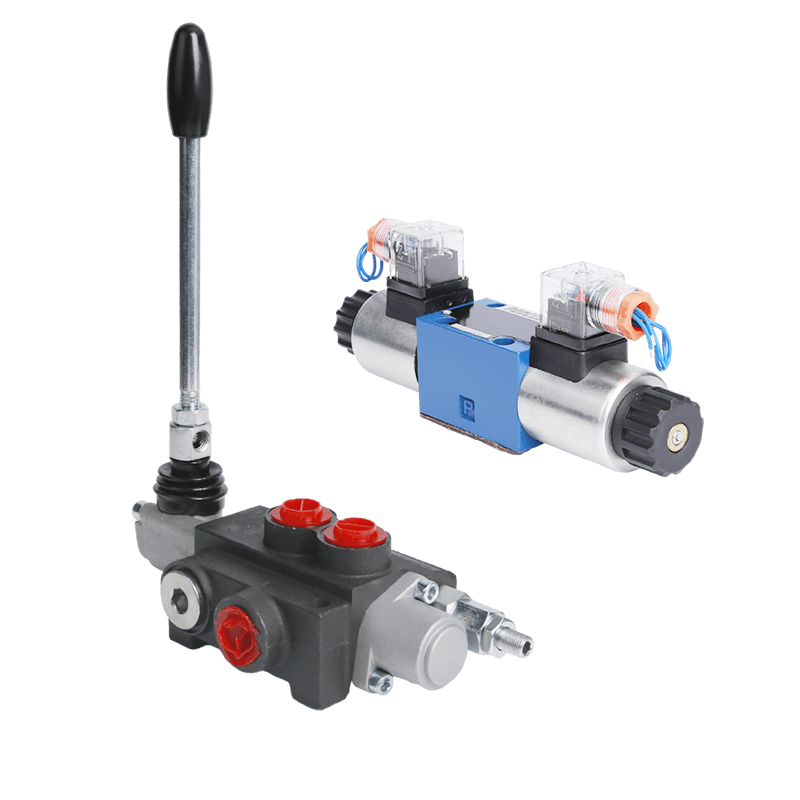
 Good fitting needs matching pump type with valves, motors, and controls. Variable displacement pumps often work with basic directional valves. Displacement handles main flow control. Fixed systems might require extra flow controls. Accumulators store energy in fixed setups or absorb shocks in variable ones. High-quality hydraulic valves, including directional, pressure, and flow controls from POOCCA’s wide range, make sure of best system performance.
Fluid cleanliness stays key. Dirt speeds up vane and cam ring wear in all types. Right filtration lengthens service life a lot.
Maintenance and Service Considerations
Fixed displacement types provide easier upkeep with fewer wear spots. Variable units have extra control parts needing regular checks. But they offer dependability with clean fluid. Both types reach thousands of hours when cared for right. Vane and bearing replacement serve as main jobs.
FAQ
What is the main difference between fixed and variable displacement vane pumps?
Fixed displacement pumps deliver constant flow at given RPM. Variable designs adjust output to match system demands for better efficiency.
Which vane pump type is better for energy savings?
Variable displacement pumps usually cut power use by 30-50% in changing load tasks by removing extra flow.
Are POOCCA vane pumps available in both fixed and variable types?
Yes, POOCCA supplies a wide range including single, double, and variable models compatible with Parker, Vickers, Yuken, Denison, and other standards.
What pressure ratings do modern vane pumps support?
Quality vane pumps commonly operate continuously at 2,500-3,000 PSI. Peaks go higher depending on model and series.
How do I select the right vane pump for my application?
Evaluate duty cycle, flow/pressure requirements, load variation, and budget. Professional technical support ensures optimal specification.
Conclusion
Business seeking reliable hydraulic vane pumps, motors, valves, and complete system solutions should partner with an established factory for consistent quality and competitive pricing. POOCCA, as a leading hydraulic manufacturer and supplier with over 20 years of experience and 1,600+ product types, offers fixed and variable displacement vane pumps, along with comprehensive hydraulic components including gear pumps, piston pumps, and valves. With factories supporting fast delivery, customization capabilities, 12-month warranty, and global export to over 100 countries, POOCCA provides one-stop sourcing for OEMs, distributors, and industrial operators. Contact the team today for technical consultation, product selection support, and factory-direct solutions tailored to specific requirements. Visit the product catalog or reach out directly to optimize hydraulic system performance and reduce total ownership costs.