 English
 Russian
 Arabic
 Indonesian
 Turkish
 Vietnamese
 Polish
 German
 Malay
Malay Thai
Thai Kazakh
 Spanish
 Chinese (Simplified)
 Korean
 Italian
 Azerbaijani
 Dutch
Dutch French
 Romanian
 Portuguese
 Hindi
HindiAccording to Markets and Markets, the global hydraulic pumps market is projected to reach $10.4 billion by 2027, growing at a CAGR of 4.1%. This underscores the increasing demand for efficient and reliable hydraulic solutions like 120V hydraulic pumps.
Industry Context & Market Data
Hydraulic pumps play a vital role in industrial applications, from heavy machinery to precision engineering equipment. The introduction of 120V electric hydraulic pumps has revolutionized the industry by offering higher efficiency and reduced downtime. For instance, double-acting hydraulic pumps powered by 120V are widely used for applications requiring precise control, such as mounting and dismounting bearings.
According to Grand View Research, electric hydraulic pumps hold a significant market share due to their eco-friendly operation and compatibility with various power units. These pumps are particularly popular in North America, where industrial automation is driving demand.
POOCCA, a leading manufacturer of hydraulic solutions, provides factory-direct pricing and flexible MOQs, ensuring accessibility for businesses of all sizes. Their commitment to ISO 9001 standards guarantees quality and reliability.
Technical Deep Dive
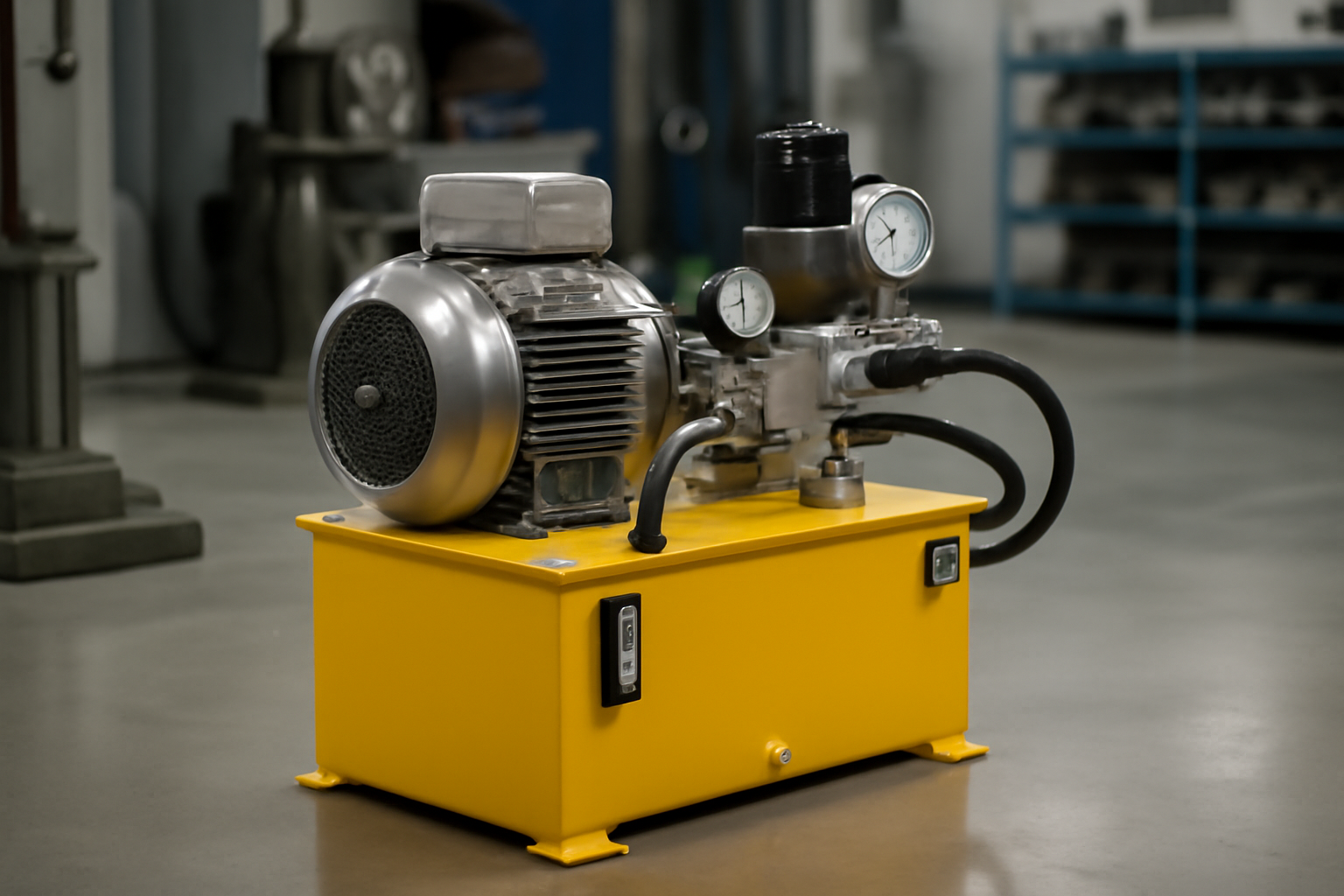
120V hydraulic pumps, such as the EP-18S-120V from Schaeffler, are designed to handle demanding applications. These pumps offer a consistent PSI output, ensuring smooth operation across diverse scenarios. With flow rates measured in GPM, they can efficiently manage hydraulic cylinders, motors, valves, and other critical components.
As Dr. John Peterson, a hydraulic systems engineer, states: “The shift toward electric hydraulic pumps is driven by their ability to deliver precise control and higher efficiency, which are essential for modern industrial systems.”
Statistics show that electric hydraulic pumps reduce energy consumption by up to 20%, as cited by Statista, making them a sustainable choice for many industries.
POOCCA’s product line aligns with this trend, offering customizable solutions that adhere to ISO and API standards.
Industry Standards
Compliance with industry standards is crucial for hydraulic pump manufacturers. For example:
- ISO 9001: Ensures quality management systems are in place.
- SAE International: Provides guidelines for hydraulic pump performance.
- NFPA: Offers safety standards for hydraulic systems.
POOCCA emphasizes adherence to these standards, offering products like 120V hydraulic pumps that meet international benchmarks for quality and safety.
Implementation Guide
Implementing 120V hydraulic pumps requires careful planning and understanding of system requirements. For example, an electric hydraulic pump can be integrated into existing machinery for mounting and dismounting bearings efficiently.
According to a case study by IBISWorld, companies that adopted electric hydraulic pumps reduced their maintenance costs by 15% over three years. This demonstrates the operational benefits of transitioning to advanced hydraulic solutions.
POOCCA’s customizable options allow businesses to select pumps tailored to their specific applications, ensuring seamless integration and maximum efficiency. For inquiries, visit POOCCA’s contact page.
Future Outlook
The future of 120V hydraulic pumps looks promising. As industrial automation continues to grow, the demand for efficient hydraulic solutions will rise. Markets and Markets predicts that the adoption of electric hydraulic pumps will increase by 6% annually.
POOCCA is well-positioned to lead this trend, offering innovative solutions that meet the evolving needs of the industry. Explore POOCCA’s catalog here.
Frequently Asked Questions
How does an electric hydraulic pump work?
An electric hydraulic pump operates by converting electrical energy into hydraulic power through a motor-driven mechanism. According to SAE International, these pumps offer consistent performance and are ideal for precise applications.
What are three types of hydraulic pumps?
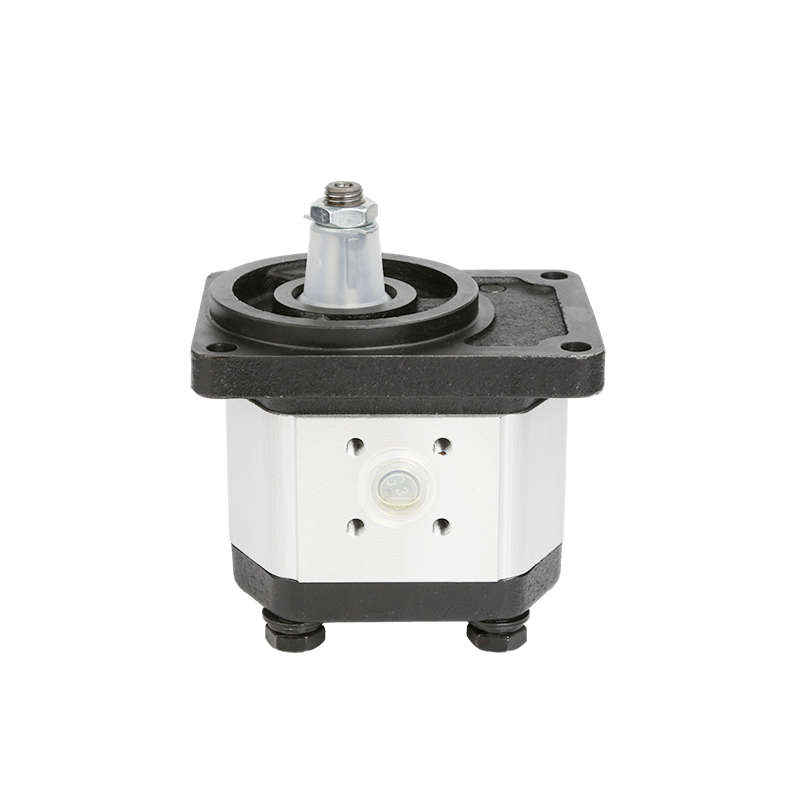
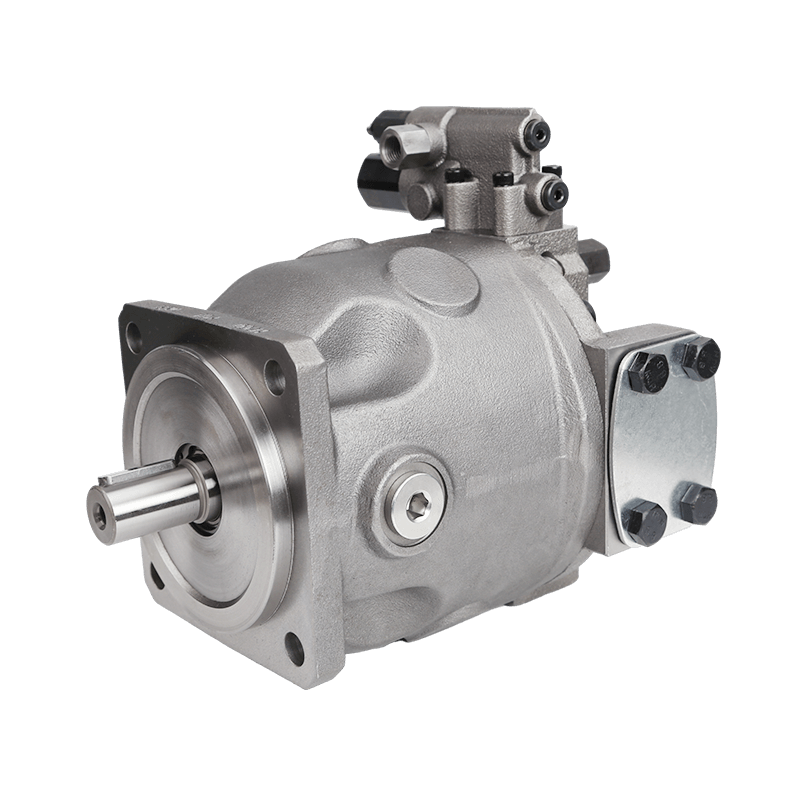
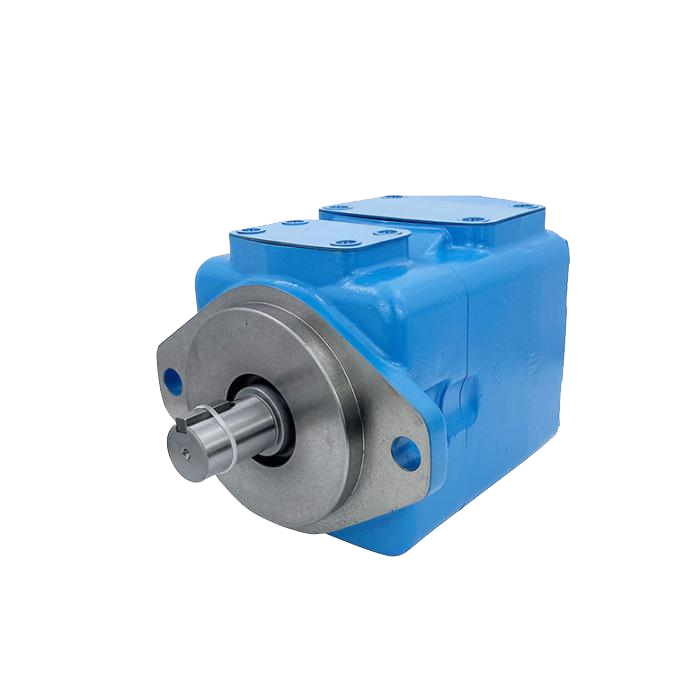
Hydraulic pumps are categorized into gear pumps, vane pumps, and piston pumps. Gear pumps are simple and durable, while piston pumps offer higher efficiency. According to ISO standards, piston pumps are best for high-pressure applications.
What is the best hydro pump brand?
Brands like POOCCA and BETEX® are known for their high-quality hydraulic solutions. POOCCA’s adherence to ISO 9001 standards ensures reliability and performance.
Can you turn a hydraulic pump into a hydraulic motor?
Yes, hydraulic pumps can be converted into motors by reversing their operation. This requires modifications to the internal components to achieve the desired functionality.
What is the difference between single-acting and double-acting hydraulic pumps?
Single-acting pumps exert pressure in one direction, while double-acting pumps can push and pull. Double-acting pumps like the 120V hydraulic power unit are ideal for applications requiring bidirectional control.
Are 120V hydraulic pumps energy-efficient?
Yes, electric hydraulic pumps powered by 120V are energy-efficient, reducing power consumption by up to 20% according to Statista.