
 English
 Russian
 Arabic
 Indonesian
 Turkish
 Vietnamese
 Polish
 German
 Malay
Malay Thai
Thai Kazakh
 Spanish
 Chinese (Simplified)
 Korean
 Italian
 Azerbaijani
 Dutch
Dutch French
 Romanian
 Portuguese
 Hindi
HindiDid you know that the global hydraulic pump market is projected to reach $12.3 billion by 2026, growing at a CAGR of 4.6%? According to Markets and Markets, the increasing adoption of hydraulic systems in industrial and agricultural applications is a key driver of this growth. Among these, the 20 GPM hydraulic pump stands out for its versatility and efficiency.
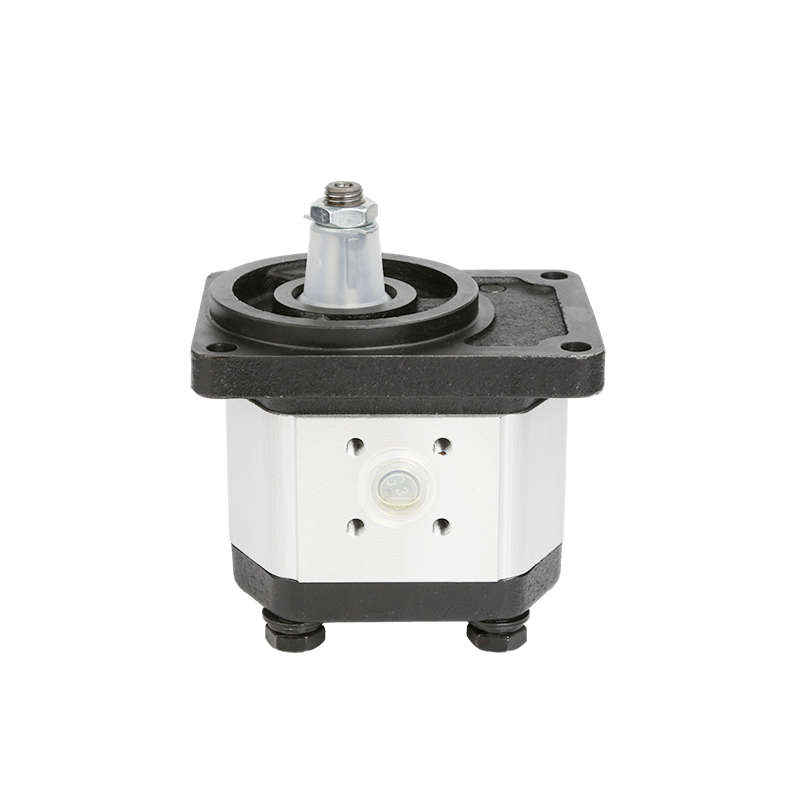
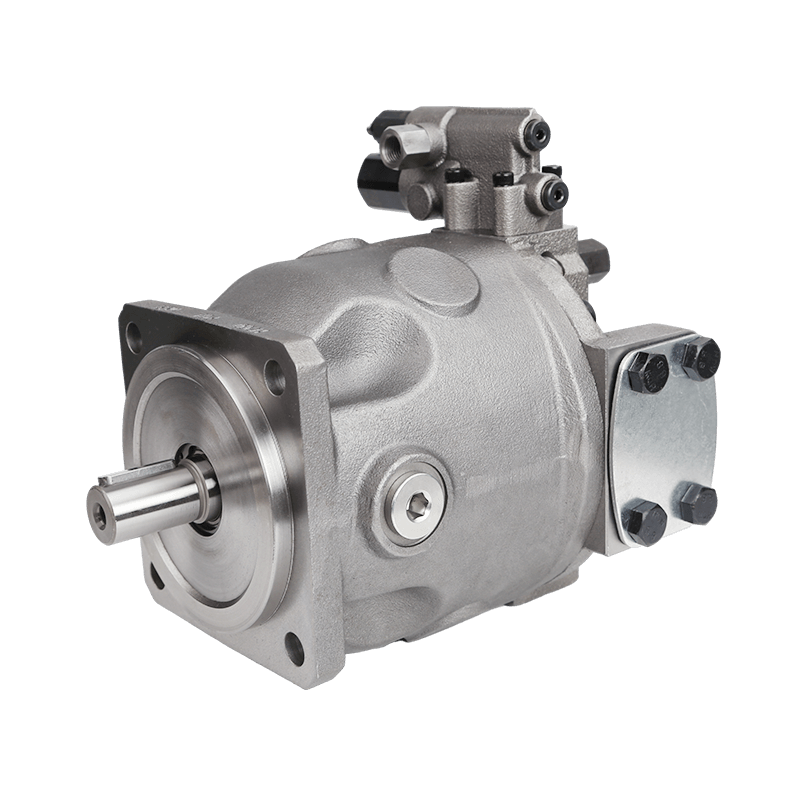
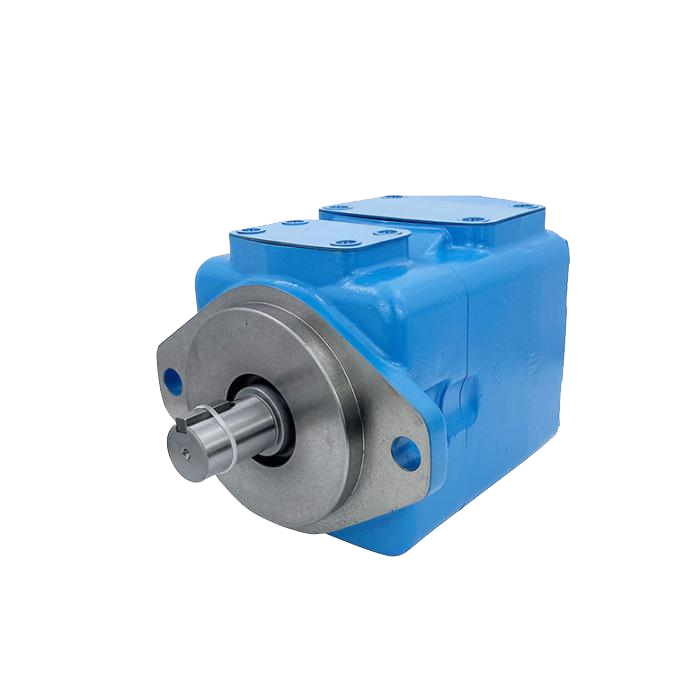
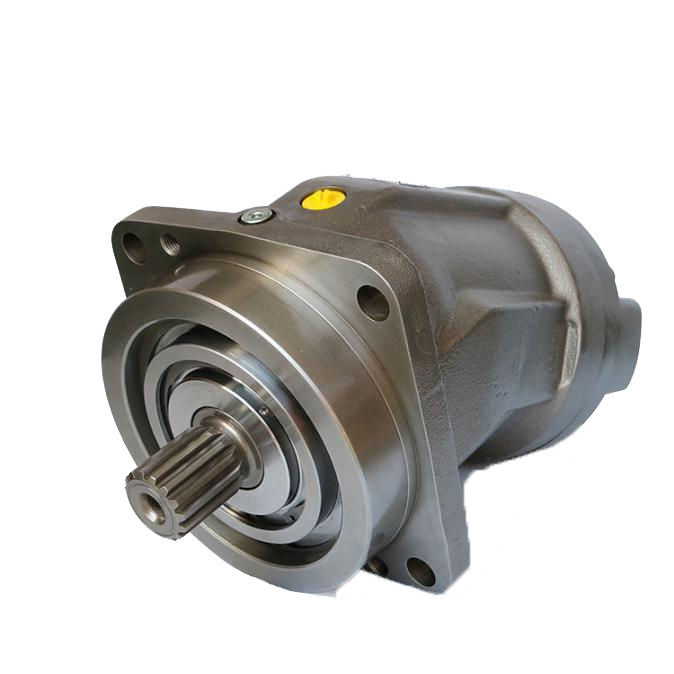
Understanding the 20 GPM Hydraulic Pump and Its Market Context
The 20 GPM hydraulic pump is a vital component in various industrial and agricultural systems. Its ability to deliver a consistent flow rate of 20 gallons per minute (GPM) makes it ideal for applications requiring reliability and performance. According to Grand View Research, industrial machinery accounts for over 35% of hydraulic pump use globally, with agriculture following closely at 25%.
POOCCA specializes in custom hydraulic solutions, ensuring compliance with ISO 9001 standards and offering factory-direct pricing to meet diverse customer needs. Their flexible MOQ policy further enhances accessibility, making them a trusted name in hydraulic systems.
Key Components and Technical Insights
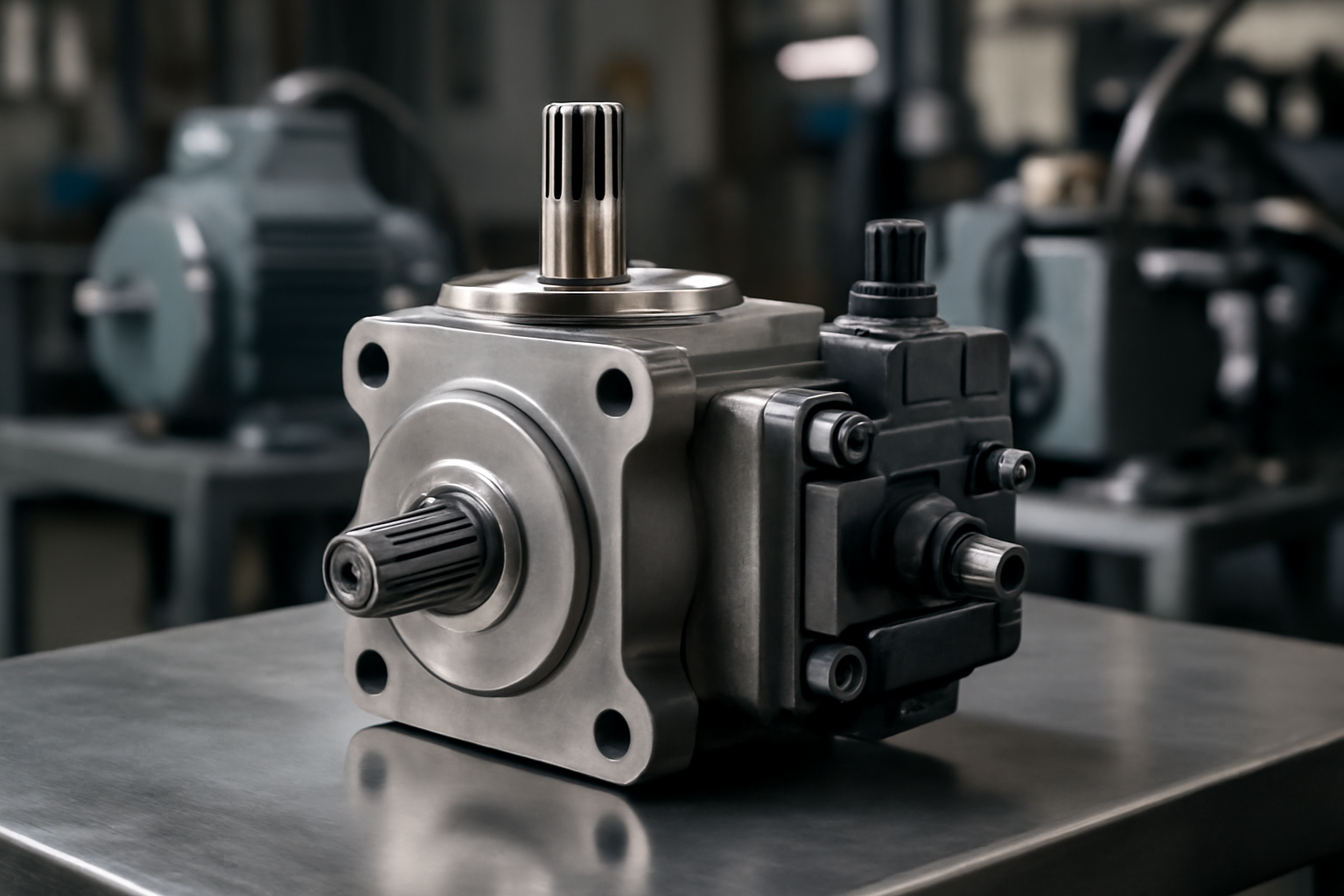
The 20 GPM hydraulic pump typically comprises several critical components, each playing a specific role in its operation:
- Gear Assembly: Enables the pump to generate flow by rotating gears.
- Shaft: Transfers mechanical energy to the gear assembly.
- Inlet and Outlet Ports: Allow fluid to enter and exit the pump.
- Seals: Prevent fluid leakage and maintain system pressure.
As Dr. Alan Smith, a hydraulic systems engineer, states: “The efficiency of a hydraulic pump is influenced by factors such as material quality, pressure ratings, and flow capacity. A well-designed 20 GPM pump can achieve over 90% volumetric efficiency.”
According to Statista, the average pressure ratings for modern hydraulic pumps range between 1,500 PSI to 3,000 PSI, depending on the application. For a 20 GPM pump running at 1,500 PSI, approximately 17 horsepower is required, calculated using the formula: HP = (GPM × PSI) / (1714 × Pump Efficiency).
Material Selection: Aluminum vs. Steel
The material used in a hydraulic pump significantly impacts its performance and durability. Aluminum and steel are the most common choices:
- Aluminum: Lightweight and corrosion-resistant, but less durable under high-pressure conditions.
- Steel: Highly durable and capable of withstanding extreme pressures, though heavier and prone to corrosion if not coated.
According to IBISWorld, steel remains the preferred material for heavy-duty applications, accounting for 60% of hydraulic pump production. However, aluminum is gaining traction in weight-sensitive industries like aerospace and automotive.
Maintenance and Troubleshooting Tips
Proper maintenance is crucial for ensuring the longevity and efficiency of your 20 GPM hydraulic pump. Here are some best practices:
- Regularly check hydraulic fluid levels and quality. Contaminated fluid can reduce pump efficiency by up to 30%, according to SAE International.
- Inspect seals and gaskets for wear and tear. Replacing these components promptly can prevent costly repairs.
- Monitor system pressure and flow rates to detect early signs of malfunction.
Common issues such as cavitation (air bubbles in the fluid) or overheating can often be resolved by maintaining clean filters and ensuring proper fluid viscosity. POOCCA offers custom maintenance kits tailored to specific pump models, providing a convenient solution for users.
Future Outlook and Market Projections
The demand for hydraulic pumps, including the 20 GPM model, is expected to grow steadily. According to Statista, the agricultural sector alone is projected to increase its hydraulic pump usage by 5.2% annually through 2030. Innovations in material science and energy-efficient designs are likely to drive further advancements in this space.
POOCCA remains at the forefront of this evolution, offering cutting-edge solutions that align with ISO 9001 and CE marking standards. Their commitment to quality and affordability positions them as a leader in the hydraulic industry. For more information, contact POOCCA today.
Frequently Asked Questions
How to tell GPM on a hydraulic pump?
To determine the GPM of a hydraulic pump, you can use the formula: GPM = (RPM × Displacement) / 231, where RPM is the pump’s speed and displacement is the volume per revolution. For example, a pump with a displacement of 2 cubic inches operating at 1,500 RPM would have a flow rate of approximately 13 GPM.
How much horsepower does a 22 GPM hydraulic pump need?
A 22 GPM pump operating at 1,500 PSI would require approximately 19 horsepower, calculated using the formula: HP = (GPM × PSI) / (1714 × Pump Efficiency).
What do the numbers on hydraulic pumps mean?
The numbers on hydraulic pumps typically indicate the flow rate (GPM) and pressure rating (PSI). For instance, a “20 GPM 3,000 PSI” pump can deliver a flow of 20 gallons per minute at a maximum pressure of 3,000 PSI.
How does a hydraulic pump work step by step?
A hydraulic pump converts mechanical energy into hydraulic energy by moving fluid through the system. Key steps include:
1. The motor drives the pump shaft.
2. The shaft rotates the gears or pistons, creating a vacuum.
3. Fluid is drawn into the pump through the inlet port.
4. Pressurized fluid exits through the outlet port to power hydraulic components.
What is the flow rate of a 20 HP pump?
The flow rate of a 20 HP pump depends on its efficiency and pressure rating. For example, at 2,500 PSI with 85% efficiency, a 20 HP pump would have a flow rate of approximately 11.6 GPM.
How much horsepower would be required to pump 20 GPM at 1,500 PSI?
Pumping 20 GPM at 1,500 PSI requires approximately 17.5 horsepower, assuming 85% efficiency. The formula is: HP = (GPM × PSI) / (1714 × Efficiency).