
 English
 Russian
 Arabic
 Indonesian
 Turkish
 Vietnamese
 Polish
 German
 Malay
Malay Thai
Thai Kazakh
 Spanish
 Chinese (Simplified)
 Korean
 Italian
 Azerbaijani
 Dutch
Dutch French
 Romanian
 Portuguese
 Hindi
HindiWhat are External Gear Pumps?
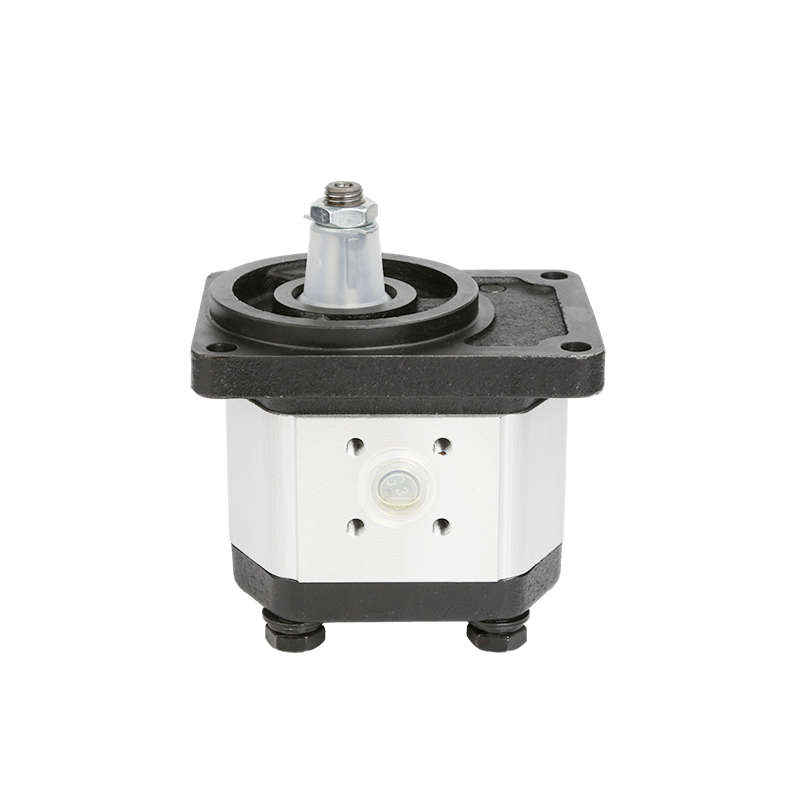
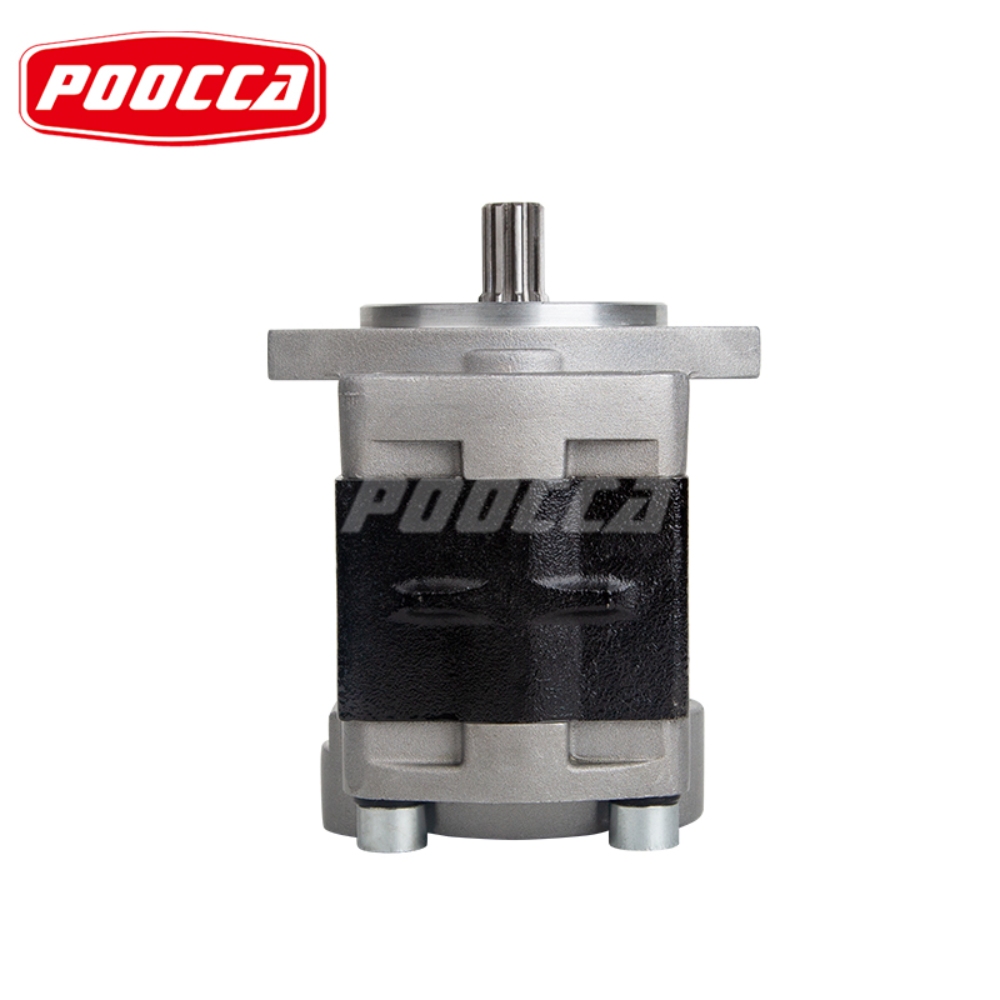
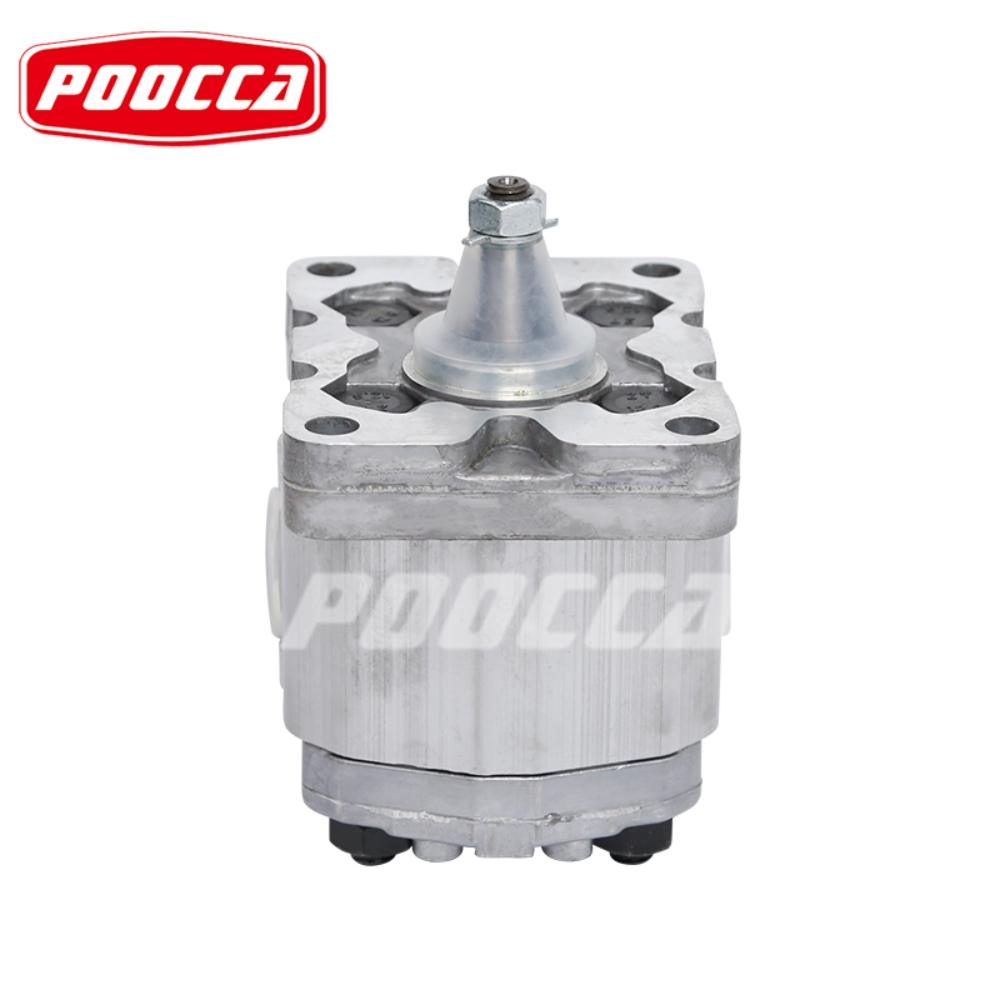
External gear pumps form a group of positive displacement pumps. People use them a lot in hydraulic systems and factory fluid work. Their main way of working comes from two gears that fit together outside. One gear drives, and the other follows. A close-made case holds them. When these gears turn, they make shut spaces. These spaces move fluid from the entry to the exit point. They do this with good care and sameness.
Centrifugal pumps use speed and push changes. External gear pumps do not. They shift a set amount of fluid each turn. This trait fits them well for jobs that need steady flow amounts. It works even when push levels change.
Factories often build these pumps with strong stuff like cast iron, aluminum mixes, or stainless steel. This lets them deal with many kinds of fluids. Examples include oils for lube, fuels, chemicals, and polymers.
How Do External Gear Pumps Work?
The work process of external gear pumps centers on the steady fit and unfitting of two gears. This flow breaks into a few main parts.
Gear Meshing and Cavity Formation
The gears start to turn. Their teeth pull apart on the entry side. This makes growing spaces. These empty spots create a pull effect. It draws fluid into the pump.
Inlet Stage – Fluid Suction
The space size grows at the pull-in spot. Fluid enters the pump with ease. This pull step goes on without stop. It keeps a smooth flow in, with no jerks.
Fluid Trapping and Transport
Fluid gets in. It stays caught between gear teeth and the pump case. The turning gears move the fluid along the outside edge to the out spot. Fluid stays out of the gear fit points. This keeps work good.
Outlet Stage – Fluid Discharge
Gears reach the out spot. Their teeth fit back together. This shrinks the space size. The step squeezes the fluid. It pushes the fluid out through the out hole at a set push level.
Continuous Operation
Each turn repeats the steps. It gives a steady and sure flow. This ongoing way makes sure of high space use and little flow change.
Types of External Gear Pumps
External gear pumps come in different setups. These fit special work needs in many fields.
Standard External Gear Pumps
These models see the most use. They have spur gears with straight teeth. They work well for basic fluid moves and medium-push jobs. Their easy build gives trust and low cost.
Magnetically Coupled External Gear Pumps
These pumps aim for no-leak work. They use magnetic links instead of old shaft seals. This setup cuts the chance of fluid loss. It fits best for risky, poison, or eat-away liquids in chemical and drug fields.
Bi-Directional External Gear Pumps
These pumps run in both turn ways. They let fluid flow go backward. This skill helps a lot in hydraulic setups where turn control matters.
Internal Bearing External Gear Pumps
These have inside bearings. They give better line-up and less shaft bend. People use them in exact jobs like measure and dose work. There, rightness counts most.
High-Pressure External Gear Pumps
Builders make these for tough spots. They work under high push levels. Strong parts and special seal setups make sure they last and stay safe in hard jobs.
Applications of External Gear Pumps
External gear pumps hold key roles in many fields. Their range and trust make this true.
1) Automotive Industry
Engine Lubrication
External gear pumps send lube oil to engine parts. This cuts rub and harm. It helps engines run at best and last longer.
Fuel Transfer
Fuel setups use them to shift gas or diesel from hold tanks to engines. This keeps fuel feed even.
Power Steering Systems
These pumps give the push needed for easy steer work. This boosts drive hold and ease.
Transmission and Brake Systems
Gear pumps make hydraulic push. It backs auto gear shifts and brake tools. This gives quick work.
2) Industrial Manufacturing
Hydraulic Systems
External gear pumps drive hydraulic machines. They let exact moves and hold in make tools.
Lubrication Systems
They send lube to machine parts. This cuts harm and makes gear last more.
Cooling Circuits
In factory cool setups, these pumps move cool fluids. They spread out heat made in work.
Metering and Dosing
Their skill to give even flow fits them for right give-out of chemicals, adds, and covers.
3) Oil and Gas Sector
Oil Transfer and Handling
External gear pumps help move raw oil and clean goods. They go through pipes, hold tanks, and work units.
Equipment Lubrication and Cooling
They make sure right lube and heat hold for turn gear like pressers and wheel fans.
Chemical Injection
Gear pumps give exact dose of chemicals. Examples are rust stoppers and adds.
Hydraulic Control Systems
These pumps form main parts of hydraulic setups in drill, pull-out, and work steps.
Advantages of External Gear Pumps
External gear pumps give many tech and work gains. These make them a top pick in many fields.
High Efficiency
Their setup cuts inside leaks. This makes great space use. It leads to even fluid send and less power use.
Wide Viscosity Handling
External gear pumps deal with many fluid thick levels. From thin cleaners to heavy oils and gums, they keep good work.
Compact and Robust Design
Their basic build lets small place fits. It holds strong in hard spots.
Stable Flow Output
The set-move way makes sure of steady, no-jerk flow. This matters for exact jobs.
Self-Priming Capability
These pumps pull fluid in on their own. They need no outside start. This makes work simple and cuts stop times.
Low Noise Operation
Next to other pump kinds, external gear pumps make small sound. This fits spots where sound hold counts.
FAQ
1. What is the main difference between external and internal gear pumps?
External gear pumps use two gears that fit outside. Internal gear pumps have one gear turn inside another. External gear pumps stay simpler. They fit high-push jobs better.
2. Can external gear pumps handle high-viscosity fluids?
Yes, external gear pumps work well with thin and thick fluids. This includes oils, stick-ons, and polymers.
3. Are external gear pumps suitable for high-pressure systems?
High-pressure external gear pumps fit such jobs. They run sure in tough spots.
4. What industries commonly use external gear pumps?
Car making, factory work, oil and gas, chemical work, and food make fields use them a lot.
5. Do external gear pumps provide continuous flow?
Yes, they give even and smooth flow. Their set-move way makes this true.
Reliable Gear Pump Manufacturer & Supplier for Industrial Solutions
Groups looking for sure hydraulic parts need a trusted manufacturer and supplier. This matters for system work and last time. A pro factory with good build skills can give high-grade external gear pumps. These fit many factory jobs, like hydraulic setups, lube, and fluid moves.
Full goods lines, tight grade check, and world send skills make sure even work and trust. Work with a skilled manufacturer gives reach to new make tech, fit answers, and tech help for hard work spots.
POOCCA acts as a special manufacturer and supplier of hydraulic pumps and gear pump systems. It offers many goods made to meet world rules. With a focus on exact build and strong make, the factory backs factory work with good and sure fluid power answers.
For goods asks, tech details, or fit answers, direct work with a pro supplier makes sure best results for hydraulic system needs. Contact POOCCA today.