 English
 Russian
 Arabic
 Indonesian
 Turkish
 Vietnamese
 Polish
 German
 Malay
Malay Thai
Thai Kazakh
 Spanish
 Chinese (Simplified)
 Korean
 Italian
 Azerbaijani
 Dutch
Dutch French
 Romanian
 Portuguese
 Hindi
HindiAccording to Grand View Research, the global hydraulic equipment market was valued in the tens of billions of dollars in recent years and is projected to expand at a steady CAGR through the next decade, highlighting how critical reliable hydraulic power has become for dump trucks, refuse fleets, utility bodies, tankers, and other vocational vehicles. For operators choosing a pto pump for semi truck applications, the stakes are high: the wrong setup can reduce flow, overheat fluid, damage pumps and valves, and shorten the life of hydraulic cylinders and motors. In practical terms, selecting the proper PTO and pump combination is not just about fitment—it is about torque, pressure, duty cycle, and long-term reliability.
Whether you are comparing a used pto pump for semi truck, evaluating a dump truck PTO hydraulic pump kit, or planning a new truck hydraulic products setup, this guide explains how to choose the right system for your truck. It also addresses frequently asked questions about picking the proper PTO, PTO pump failure symptoms, and service life, while showing how factory-direct suppliers like POOCCA can support custom hydraulic solutions with flexible MOQ and ISO 9001-aligned manufacturing.
1. Industry Context: Why Choosing the Right PTO Pump Matters for Truck Hydraulics
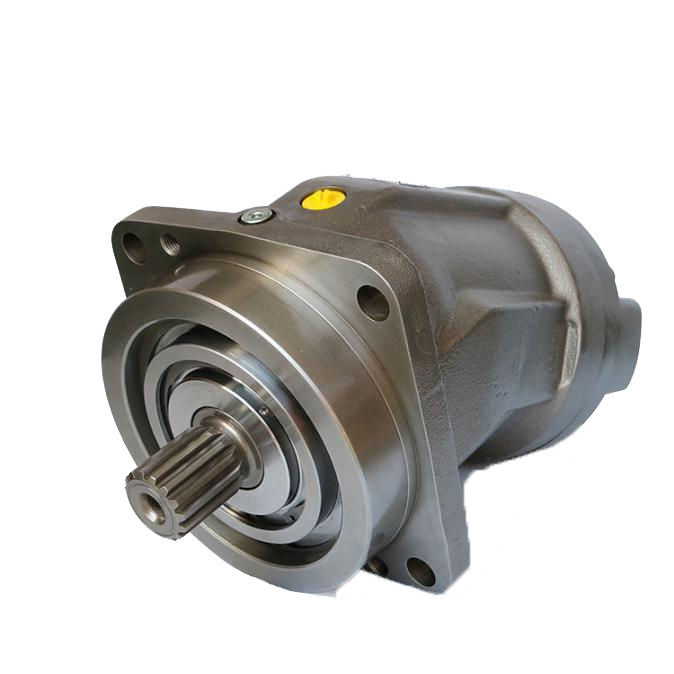
Choosing the right PTO pump for a semi truck starts with understanding the business impact of hydraulic performance. A PTO, or power take-off, transfers mechanical energy from the truck engine or transmission to hydraulic pumps, which then generate the flow and pressure needed to operate cylinders, valves, and motors. In vocational fleets, this means powering dump bodies, walking floors, hooklifts, cranes, blowers, chemical transfer units, and vacuum systems. If the PTO ratio, pump displacement, or pressure rating is mismatched, the system may run sluggishly, cavitate, or fail under load.
According to NFPA (National Fluid Power Association), fluid power technologies power critical motion control and force generation across construction, transportation, agriculture, and industrial sectors, making hydraulic efficiency a direct contributor to uptime and cost control. According to Markets and Markets, the fluid power equipment market is forecast to grow steadily over the coming years due to rising automation and demand for high-performance mobile equipment. That growth matters for truck body builders and fleet managers because it reflects a larger trend: more specialized trucks now rely on more precise hydraulic setups than ever before.
For vocational truck owners, incorrect selection can trigger a chain reaction. A pump pulling more torque than the PTO can safely transmit may damage gear teeth. A system designed for 3,000 PSI but regularly pushed above its rated range can over-stress hydraulic hoses, seals, cylinders, and control valves. A pump sized for too little GPM may force longer cycle times, reducing route productivity. Even a seemingly minor issue—such as selecting the wrong rotation direction or mounting standard—can create installation rework and field downtime.
The best practice is to assess the complete power path: truck engine speed, transmission model, PTO aperture or mounting option, gear ratio, desired pressure, target GPM, reservoir capacity, cooling needs, and actual task profile. This is where a factory-capable hydraulic partner can provide value beyond catalog parts. POOCCA supports custom solutions for hydraulic pumps, motors, valves, and cylinders, helping buyers align performance requirements with factory-direct pricing and flexible MOQ. That can be especially useful for truck upfitters balancing standardization with application-specific needs.
2. Technical Deep Dive: How to Choose the Right PTO Pump for Your Semi Truck Setup
If you want to know how to choose the right PTO, start with four core factors: truck, transmission, type, and task. This framework is widely used in vocational truck hydraulics because PTO selection is never only about one part number. It is about system compatibility.
Truck: Confirm the truck make, model, engine speed range, and intended operating environment. A dump truck cycling repeatedly at jobsites has different hydraulic demands than a tanker unloading product or a recovery truck running intermittent winch functions.
Transmission: PTO compatibility depends heavily on transmission family, available openings, internal clearances, and control strategy. Some transmissions support live drive PTO operation, while others are more limited in engagement method or speed control. This is especially important when users search for terms like Eaton Fuller PTO kit or semi truck PTO kit: the transmission model often determines what is even possible.
Type: Common PTO arrangements include transmission-mounted PTOs, engine-mounted PTOs, and split shaft PTOs. Transmission-mounted PTOs are common because they are compact and cost-effective. Split shaft PTO systems are often selected when higher horsepower is needed for demanding mobile hydraulic applications. For medium duty trucks, the most common option is usually a transmission-mounted PTO driving a gear pump, but the ideal answer depends on the work cycle.
Task: Define the application in measurable terms. What pressure is needed—2,000 PSI, 2,500 PSI, or 3,000+ PSI? What flow is required—10 GPM, 25 GPM, or 60 GPM? Is the duty cycle intermittent or continuous? Are you driving hydraulic cylinders only, or also motors that require smoother continuous flow?
According to SAE International, mobile hydraulic system design should account for the full operating envelope, including torque demand, speed range, thermal loading, and component compatibility. According to Statista, the commercial vehicle market continues to represent significant annual unit volumes globally, reinforcing why reliable PTO hydraulic setups remain an important niche for truck equipment suppliers.
As Mike Santora, President of the National Fluid Power Association, states: “Proper fluid power system design is essential to achieving efficiency, reliability, and safety in real-world applications.” That principle directly applies to a PTO pump for truck selection. If the hydraulic pump is undersized, body-up time slows. If it is oversized, you may create excess heat, fluid aeration, and wasted power.
A practical example: a dump application may require a gear pump delivering 20–35 GPM at operating speed and pressures approaching 2,500–3,000 PSI, depending on body size and load profile. A tanker offloading product may prioritize controlled flow and compatibility with chemical media, making pump type and seal material critical. A crane truck may demand higher precision from control valves and smoother hydraulic motor performance, which can affect the pump architecture selected.
As an ISO-aligned mobile hydraulics engineer might summarize: “The right PTO is the one that matches the transmission, the right pump is the one that matches the job, and the right system is the one that manages heat, pressure, and flow together.” In other words, choosing is a systems decision.
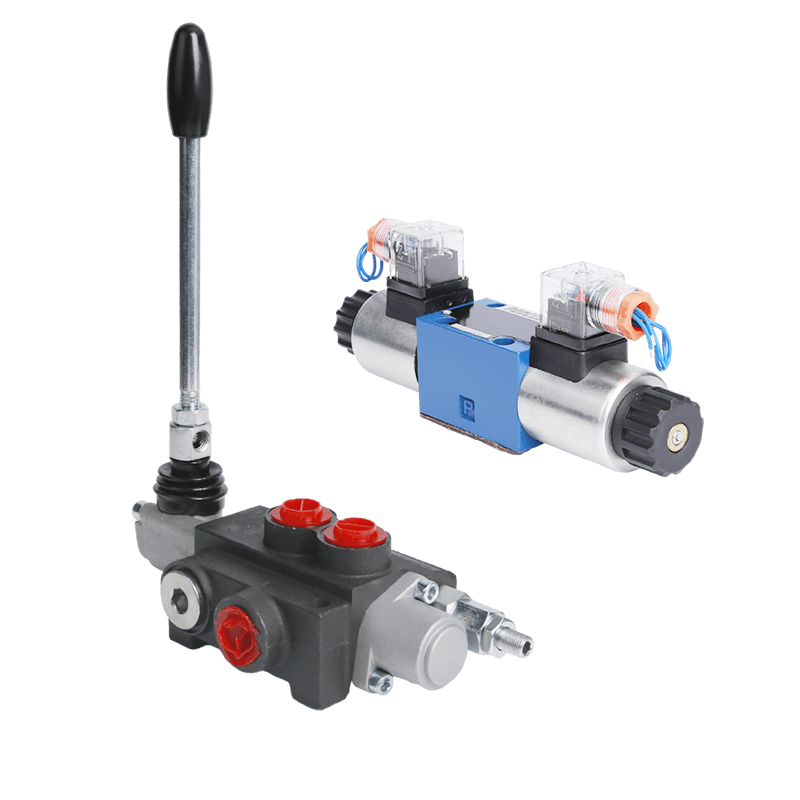
For buyers comparing Chelsea PTO, Muncie PTO, Split Shaft PTO, or Eaton-compatible solutions, it helps to evaluate more than brand familiarity. Check torque rating, ratio options, shift method, port orientation, lubrication requirements, and whether the supplier can support the rest of the hydraulic products setup. POOCCA can be part of that broader setup by supplying matching hydraulic pumps, motors, valves, and cylinders for integrated truck hydraulic systems.
3. Industry Standards and Compliance: ISO, SAE, NFPA, CE, and API Considerations
Technical fit is only one part of selecting the proper PTO pump for semi truck use. Compliance and manufacturing quality also matter, especially for fleets, OEM upfitters, and export buyers. Hydraulic systems operate under high pressure, often above 2,500 PSI, so consistency in materials, machining, testing, and documentation is essential.
ISO 9001 is one of the most important quality management references in the hydraulic supply chain. An ISO 9001-certified or ISO 9001-aligned manufacturer demonstrates that its processes for production control, inspection, traceability, and corrective action are systematically managed. For buyers sourcing pumps, valves, motors, or cylinders, this reduces quality variability and supports repeatability across multiple truck builds.
CE marking is another relevant consideration for equipment entering European markets or integrated into machinery requiring conformity with applicable directives. While a PTO or hydraulic pump alone may have application-specific compliance requirements, CE-related design and documentation readiness can simplify international equipment integration.
SAE International standards are highly relevant in mobile hydraulics because they address dimensions, pressure classes, hose and fitting performance, and best practices for vehicle systems. Specifying SAE-compliant interfaces helps prevent leakage, improper adapters, and service complications.
NFPA, while often associated with fluid power education and market development, also plays an important role in advancing technical understanding and best practices across hydraulic applications. According to NFPA, improved system design and maintenance can significantly influence uptime and energy efficiency in fluid power operations.
API standards may enter the discussion in tanker, oilfield, and specialized transfer applications where pump media, sealing, and system safety intersect with broader petroleum equipment expectations. For chemical pump for semi truck setups or severe-duty transfer systems, buyers should confirm not just pressure and GPM, but also fluid compatibility, environmental sealing, and application-specific code requirements.
According to ISO, process quality management reduces the likelihood of nonconformity and improves customer confidence across industrial supply chains. According to IBISWorld, industries tied to truck transportation, equipment servicing, and industrial components remain strongly influenced by maintenance efficiency and downtime reduction, underscoring why standards-based procurement is often more economical than lowest-price-only sourcing.
For that reason, choosing a hydraulic supplier should include questions such as: Are products tested under load? Are pressure and flow curves available? Are mounting dimensions documented? Can the supplier support custom configurations? POOCCA’s positioning around custom solutions, factory-direct pricing, and flexible MOQ is relevant here because many truck hydraulic systems require adaptation rather than one-size-fits-all components.
4. Implementation Guide: From PTO Selection to Pump Installation and Long-Term Reliability
Once you know what PTO you need, implementation becomes the next challenge. A successful installation depends on matching mechanical input, hydraulic output, and operational controls.
Start with the desired work function. For example, if a dump body must raise within a target time window, calculate cylinder volume and required GPM. If the application needs a hydraulic motor to run continuously, calculate both pressure drop and heat generation. Next, identify engine idle speed and operating RPM so you can estimate actual pump speed through the PTO ratio. Then compare the required torque with PTO limits.
According to SAE International guidance used widely in mobile equipment engineering, correct hose sizing, fitting selection, and routing are essential to controlling pressure drop and extending service life. According to Markets and Markets, demand for more efficient and durable fluid power systems is increasing as fleet operators seek lower total cost of ownership. In truck hydraulics, this translates into better filtration, better cooling, and more accurate component sizing.
A few practical rules help:
1. Size for real duty, not just peak demand. A pump that can briefly hit the pressure target is not enough if your application runs every day for long cycles.
2. Protect the fluid. PTO pump failure symptoms often begin with contaminated oil, overheating, noise, slow movement, and foaming. Poor filtration can damage pumps, valves, motors, and cylinders in sequence.
3. Respect the pressure rating. If the hydraulic products setup is rated for 2,500 PSI, do not routinely force it above that level.
4. Verify rotation and mounting. One of the most frequent causes of startup issues is a simple mismatch in rotation direction or flange standard.
5. Plan maintenance intervals. How long does a PTO pump last? It depends on pressure, fluid cleanliness, temperature, and duty cycle. In properly maintained fleet service, a quality hydraulic pump can deliver several years of operation, while neglected systems may fail much sooner.
As industry hydraulic consultant Dan Helgerson states: “Most hydraulic failures are not mysterious—they are the cumulative result of contamination, heat, overspeed, or misapplication.” That is why the best answer to “What are the symptoms of a PTO pump failure?” includes whining noise, reduced flow, erratic actuator motion, overheating, visible leaks, metal contamination, and poor response under load.
For fleets evaluating pto pump for semi truck price versus lifecycle value, the cheapest option is not always the most economical. A better approach is to compare efficiency, seal quality, pressure margin, supplier support, and replacement lead time. Buyers looking for best pto pump for semi truck solutions often benefit from discussing the full truck hydraulic setup with a manufacturer rather than sourcing isolated parts.
5. Future Outlook: Smarter Hydraulic Setups for Vocational Trucks
The future of vocational truck hydraulics will be shaped by efficiency, uptime, and integration. According to Grand View Research, growth in hydraulic equipment demand will continue to be supported by mobile machinery, infrastructure development, and industrial modernization. According to Statista, digitalization trends in commercial vehicle operations are also pushing fleets toward more monitored, serviceable auxiliary systems.
In practical terms, this means buyers choosing the right PTO pump will increasingly look for complete compatibility data, better thermal management, and easier service diagnostics. Demand is also rising for custom hydraulic systems that can be adapted to specific truck bodies, flow profiles, and export requirements. That is particularly relevant for upfitters who need flexible MOQ, rapid communication, and factory-level support.
Whether you are choosing a new semi truck PTO kit, replacing a Muncie PTO or Chelsea PTO setup, or building a custom hydraulic package for dump, tanker, utility, or chemical transfer work, the best results come from a system-first approach. Select the transmission-compatible PTO, size the pump by required PSI and GPM, protect fluid quality, and source from manufacturers that understand mobile hydraulics end to end. If you are planning a truck hydraulic project and want application-specific guidance, POOCCA is worth contacting for custom solutions, factory-direct pricing, and flexible MOQ support.
Frequently Asked Questions
What type of PTO is most common on medium duty trucks?
On most medium duty trucks, the most common solution is a transmission-mounted PTO paired with a gear pump. This design is popular because it is compact, cost-effective, and suitable for many intermittent hydraulic tasks such as dump bodies, service cranes, and small utility equipment. According to SAE International, transmission integration and mounting compatibility are key selection factors in mobile equipment power transfer systems, which explains why transmission-mounted units dominate mainstream vocational setups. In many real-world applications, these PTOs are chosen because they offer a practical balance of horsepower capability, packaging, and serviceability. However, “most common” does not always mean “best.” If the application demands higher continuous horsepower, a split shaft PTO or engine-driven arrangement may be more appropriate. Buyers should also check pressure and flow requirements carefully; even on medium duty trucks, pump output may need to support 2,000–3,000 PSI and a wide GPM range depending on the body equipment. The correct answer depends on truck model, transmission model, and actual task.
How to choose the right PTO?
The best way to choose the right PTO is to evaluate four things: truck, transmission, type, and task. First, identify the truck platform and available engine speed range. Second, confirm the exact transmission model and PTO opening compatibility. Third, decide what PTO type fits the packaging and horsepower requirement—transmission-mounted, engine-mounted, or split shaft. Fourth, define the job in numbers: required PSI, required GPM, duty cycle, and whether the system powers hydraulic cylinders, motors, pumps, or combinations of these. According to NFPA, system design quality strongly affects reliability and energy performance in fluid power applications. That means a PTO should never be selected in isolation. You also need to review torque rating, ratio, shift method, lubrication, and the hydraulic pump displacement. A dump truck with rapid cycle expectations may require a very different PTO ratio than a chemical transfer setup focused on steady controlled flow. If you are unsure, consult a supplier that can review the whole hydraulic products setup rather than only recommending a part number. That reduces the risk of overspeed, underperformance, and premature wear.
How do I know what PTO I need?
You know what PTO you need by calculating the power required by your hydraulic pump and then checking whether the truck and transmission can safely deliver it. Start with your target flow in GPM and pressure in PSI. Then determine pump displacement and operating speed. Once you know the hydraulic horsepower required, compare it with the PTO’s torque and speed capacity. According to ISO quality guidance, documented specification control is essential to avoiding mismatches in industrial systems. In truck hydraulics, that means confirming rotation direction, mounting pattern, shaft standard, and ratio before ordering. You should also ask what function the system performs: dumping, lifting, winching, product transfer, vacuum, or blower service. Different functions place different stresses on the pump, valves, motors, and cylinders. For example, continuous-duty motor applications usually impose stricter thermal demands than short-cycle cylinder applications. Signs you chose wrong include slow operation, high heat, noisy pump performance, or repeated seal and hose issues. A good supplier will ask for your transmission model, engine RPM range, target output, and application details before recommending the proper PTO and pump combination.
How does the PTO work on a truck?
A PTO on a truck works by taking mechanical power from the engine or transmission and redirecting it to auxiliary equipment. In most hydraulic applications, the PTO drives a hydraulic pump. That pump converts mechanical energy into hydraulic flow, which is then directed by control valves to actuate cylinders or hydraulic motors. For example, when a dump truck operator engages the PTO, the truck transmission provides rotational power to the pump, the pump sends pressurized oil through the valve, and the hydraulic cylinder raises the body. According to SAE International, proper integration of power transfer and hydraulic control components is essential for safe and efficient vehicle operation. The important detail is that the PTO itself does not create hydraulic pressure—it only provides rotational input. The pump creates flow, and pressure develops as the system resists that flow. This is why selecting the correct pump displacement and PTO ratio matters so much. If the ratio is too low, the system may lack speed. If too high, it may overspeed the pump or create excess heat. In a well-designed setup, engine RPM, PTO ratio, pump size, and system pressure all work together.
What are the symptoms of a PTO pump failure?
Common symptoms of PTO pump failure include whining or grinding noise, reduced flow, slow cylinder movement, erratic motor speed, overheating, foamy oil, visible leaks, and difficulty reaching target pressure. In severe cases, metal contamination can appear in the fluid, indicating internal wear. According to IBISWorld, maintenance efficiency has a measurable effect on uptime in transportation-related service sectors, which is why early diagnosis of hydraulic issues is financially important for fleets. A failed or failing PTO pump may also cause the truck body equipment to respond inconsistently—lifting slower when hot, stalling under load, or vibrating during operation. These symptoms do not always mean the pump alone is at fault; contamination, suction restrictions, improper fluid viscosity, or a mismatched PTO ratio can produce similar results. That is why troubleshooting should include fluid inspection, filter checks, suction line inspection, pressure testing, and confirmation of PTO engagement speed. If a pump repeatedly fails, review the full system for overspeed, overheating, and pressure spikes. In many cases, the root cause is the setup, not only the pump.
How long does a PTO pump last?
PTO pump lifespan varies widely based on application severity, pressure level, fluid cleanliness, duty cycle, and maintenance quality. In well-maintained truck hydraulic systems, a quality pump can last for years, while in harsh or neglected service it may fail much earlier. According to Markets and Markets, end users are increasingly prioritizing durable, efficient fluid power solutions to reduce total lifecycle cost. That trend reflects a simple truth: service life depends less on brand name alone and more on whether the pump is properly sized, protected, and operated. A pump running within its design envelope at the correct RPM, with clean oil and good filtration, will generally outlast a pump exposed to contamination, heat, cavitation, and overpressure. For fleets, the best way to extend life is to monitor oil temperature, replace filters on schedule, inspect hoses and seals, and train operators not to exceed rated duty. If the system often operates above 3,000 PSI or at prolonged high RPM, expect wear rates to increase. Buying the right pump from the start is one of the strongest predictors of long service life.