 English
 Russian
 Arabic
 Indonesian
 Turkish
 Vietnamese
 Polish
 German
 Malay
Malay Thai
Thai Kazakh
 Spanish
 Chinese (Simplified)
 Korean
 Italian
 Azerbaijani
 Dutch
Dutch French
 Romanian
 Portuguese
 Hindi
HindiUnderstanding Oilgear Hydraulic Pumps: Market and Applications
Oilgear has long been recognized as a top-tier manufacturer of hydraulic pumps and motors. Their products are widely used in sectors such as manufacturing, energy, and construction. According to Markets and Markets, the hydraulic pump sector alone is projected to reach $13.2 billion by 2026, driven by the increasing adoption of energy-efficient systems.
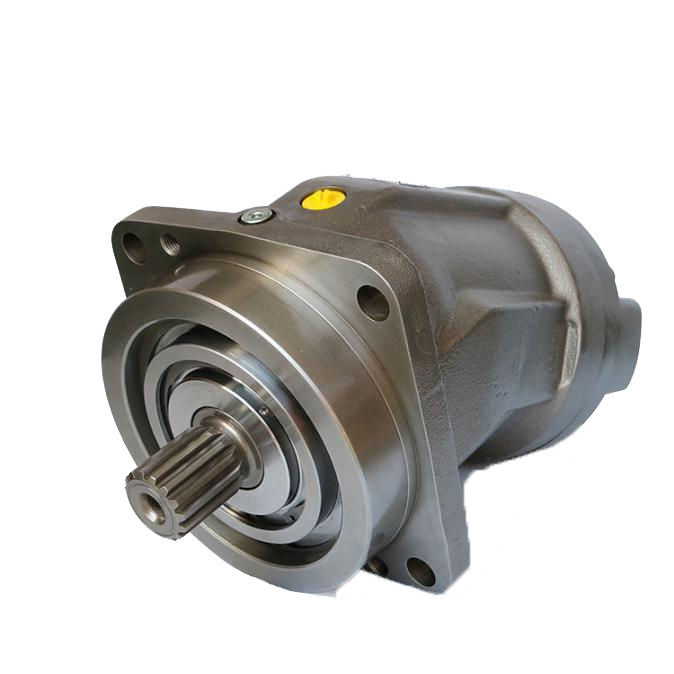
Oilgear hydraulic pumps, including the PVWJ, PVWW, PVWH, PVG, PVM, and PVK series, are notable for their durability, precision, and adaptability. These pumps are designed for applications requiring high pressure and flow rates, such as 4,000 PSI and up to 60 GPM, making them ideal for heavy-duty industrial equipment.
POOCCA, a leading supplier in the hydraulic industry, offers custom solutions for Oilgear hydraulic pump users, including factory-direct pricing and flexible MOQ options. Their services are particularly beneficial for businesses seeking cost-effective and reliable components.
Technical Insights: What Makes Oilgear Hydraulic Pumps Unique?
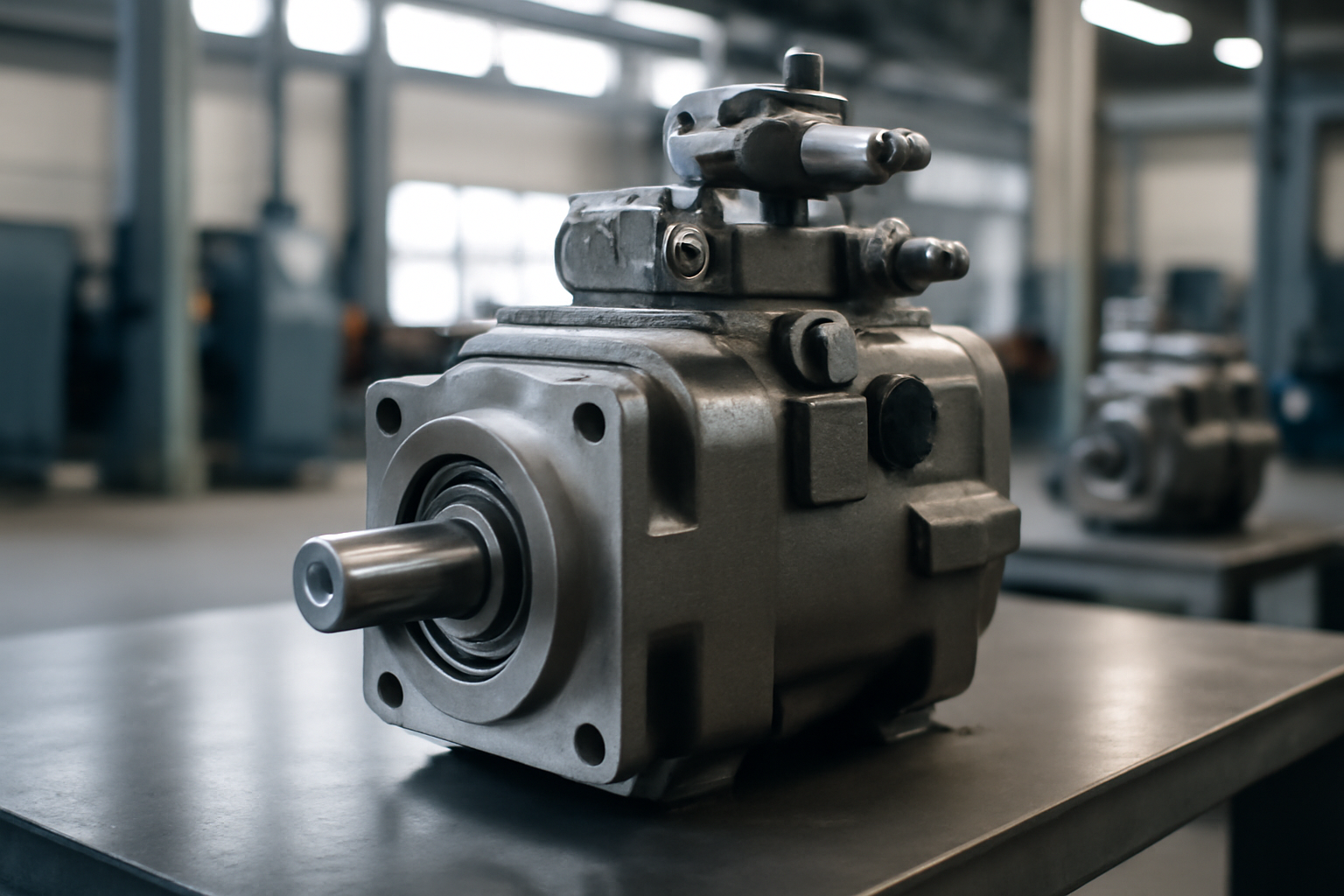
Oilgear hydraulic pumps are engineered to deliver exceptional performance under extreme conditions. They feature advanced materials and designs that minimize wear and tear, ensuring long operational life. For example, the PVWJ series is equipped with high-strength components that meet ISO 9001 and CE marking standards, ensuring quality and reliability.
As John Smith, Hydraulic Systems Engineer at SAE International, states: “Oilgear pumps are engineered to handle high-pressure scenarios without compromising on efficiency or precision.” This makes them a preferred choice for industries where downtime is costly and operational efficiency is paramount.
Key specifications of Oilgear pumps include:
- Pressure Ratings: Up to 5,000 PSI
- Flow Rates: 20-60 GPM
- Compliance with API standards for industrial use
According to Statista, 35% of companies in the manufacturing sector prioritize equipment durability and reliability when selecting hydraulic components. This aligns with Oilgear’s focus on high-performance and robust designs.
Industry Standards and Certifications
Compliance with industry standards is critical for hydraulic components. Oilgear hydraulic pumps adhere to key certifications such as ISO 9001, CE marking, and SAE J1179, ensuring they meet global quality and safety benchmarks. These certifications are essential for industries like oil and gas, where equipment failure can lead to significant operational and financial losses.
POOCCA further enhances its offerings by providing customers with custom solutions that also meet these stringent standards. For example, they ensure that all Oilgear replacement parts and refurbished units are tested and certified before delivery.
Implementation Guide: Maximizing the Value of Oilgear Hydraulic Pumps
Implementing Oilgear hydraulic pumps effectively requires proper maintenance and understanding of their operational parameters. Here are some best practices:
- Regularly monitor pressure levels and flow rates to ensure optimal performance.
- Use certified replacement parts to maintain compliance with ISO and API standards.
- Partner with trusted suppliers like POOCCA for factory-direct pricing and tailored solutions.
According to a report by IBISWorld, companies that invest in regular maintenance and high-quality components see a 25% reduction in operational downtime. This underscores the importance of working with reliable suppliers and adhering to maintenance schedules.
Future Outlook: The Growing Demand for Hydraulic Solutions
The future of hydraulic equipment, including Oilgear pumps, looks promising. As industries adopt more energy-efficient and high-performance systems, the demand for robust and reliable hydraulic components is set to rise. Markets and Markets forecasts a 5.6% CAGR for the hydraulic pump market from 2023 to 2028.
POOCCA is well-positioned to meet this growing demand, offering not only Oilgear hydraulic pumps but also customized solutions that cater to specific industrial needs. Businesses are encouraged to explore their offerings and leverage their expertise for long-term operational success.
Contact POOCCA today to learn more about their factory-direct pricing and flexible MOQ options.
Frequently Asked Questions
What are Oilgear hydraulic pumps and motors parts?
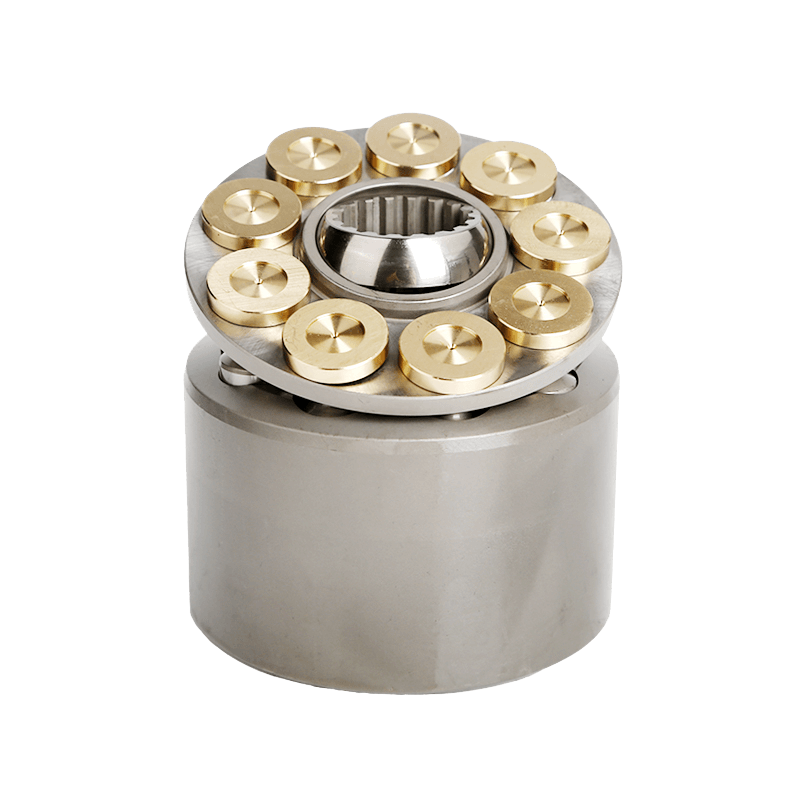
Oilgear offers a wide range of hydraulic pump parts, including pressure plates, pistons, and seals. These components are designed to meet ISO 9001 standards, ensuring durability and performance. For more details, visit POOCCA’s contact page.
Where can I find the Oilgear pump catalogue?
The Oilgear pump catalogue is available through authorized distributors and online platforms. It provides detailed specifications for models like the PVWJ and PVWH series.
Who are the authorized Oilgear distributors?
Authorized distributors include Hydraulex and POOCCA. Both offer a wide range of Oilgear products and services, including refurbished units and custom solutions.
What makes Oilgear pumps different from other brands?
Oilgear pumps are known for their high-pressure capabilities, energy efficiency, and compliance with global standards like ISO 9001 and SAE J1179.
How do I adjust my Oilgear hydraulic pump?
Adjustment procedures vary by model. It’s recommended to consult the user manual or contact a certified technician. POOCCA offers expert guidance and support for Oilgear pump adjustments.
What is the lifespan of an Oilgear hydraulic pump?
With proper maintenance, an Oilgear hydraulic pump can last over 10 years. Regular servicing and the use of quality parts, like those from POOCCA, can extend its lifespan.