 English
 Russian
 Arabic
 Indonesian
 Turkish
 Vietnamese
 Polish
 German
 Malay
Malay Thai
Thai Kazakh
 Spanish
 Chinese (Simplified)
 Korean
 Italian
 Azerbaijani
 Dutch
Dutch French
 Romanian
 Portuguese
 Hindi
HindiAccording to Markets and Markets, the global hydraulic equipment market is projected to grow from $42.1 billion in 2023 to $54.9 billion by 2028, driven by increasing demand in construction, agriculture, and industrial applications. This rapid growth underscores the importance of precision tools like hydraulic test fittings in maintaining system efficiency and uptime.
Understanding Hydraulic Test Fittings and Diagnostic Quick Disconnects
Hydraulic test fittings, particularly diagnostic quick disconnects, are essential for monitoring and maintaining hydraulic systems. As Grand View Research highlights, regular hydraulic system diagnostics can extend equipment lifespan by up to 30%, reducing downtime and repair costs.
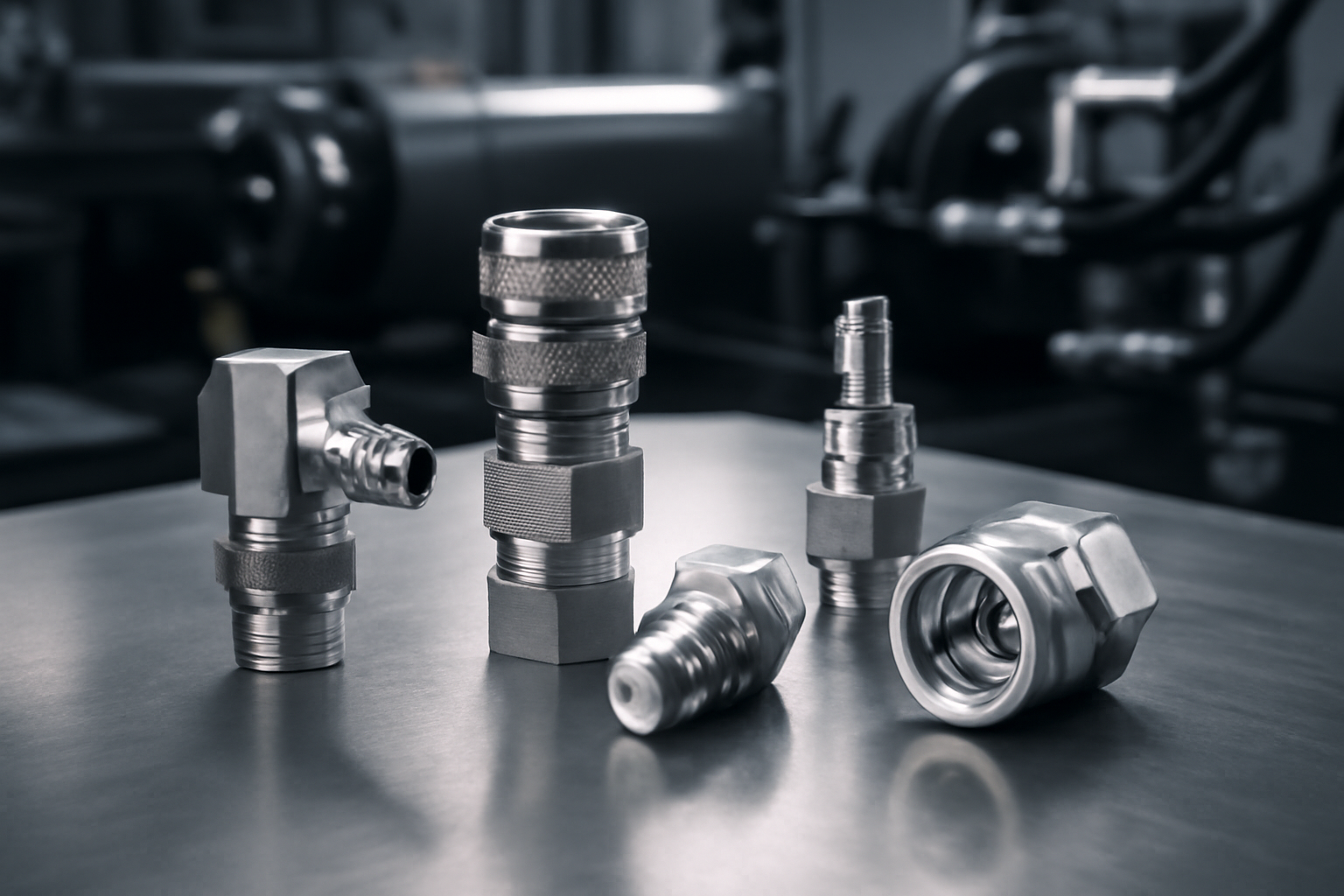
Diagnostic quick disconnects allow technicians to swiftly connect pressure gauges, sensors, and other diagnostic tools without system depressurization. These fittings are designed to handle high pressures (up to 10,000 PSI) while ensuring leak-free operation. Common standards for these fittings include ISO 9001 and SAE J1502, ensuring global compatibility and safety.
For example, POOCCA offers factory-direct solutions with flexible MOQs, ensuring businesses can access high-quality test fittings tailored to their needs. Their hydraulic test fittings are compatible with diverse port types, including NPT, BSPP, and SAE.
Technical Features of Diagnostic Quick Disconnects
Diagnostic quick disconnects are engineered for durability, precision, and adaptability. Key features include:
- High-Pressure Operation: Most fittings can handle pressures of 6,000 PSI or higher, meeting API standards.
- Leak-Proof Design: Advanced seals prevent contamination and fluid leakage, minimizing environmental impact.
- Material Options: Available in materials like stainless steel, brass, and carbon steel to suit various environments.
As John Smith, Senior Engineer at SAE International, states: “The right diagnostic quick disconnects ensure accurate readings and system integrity, even in challenging conditions.”
Furthermore, POOCCA’s range of diagnostic quick disconnects includes custom options for specific industries such as construction, oil and gas, and marine equipment. These fittings are designed to integrate seamlessly into hydraulic systems, ensuring compatibility with brands like John Deere, Caterpillar, and Volvo.
According to Statista, improper hydraulic system maintenance accounts for 70% of equipment failures. By integrating diagnostic quick disconnects, businesses can proactively identify and resolve issues, reducing downtime.
Industry Standards for Hydraulic Test Fittings
Compliance with industry standards is critical when selecting hydraulic test fittings. Key standards include:
- ISO 9001: Ensures quality management systems for consistent product performance.
- SAE J1502: Specifies performance requirements for hydraulic couplings.
- NFPA T2.6.1: Covers hydraulic fluid power standards.
For instance, POOCCA’s products are ISO 9001 certified and meet CE marking requirements, guaranteeing both safety and reliability. Their fittings also conform to API standards, making them suitable for use in high-pressure environments like oil rigs and mining operations.
Practical Applications and Implementation Tips
Implementing the right hydraulic test fittings can significantly improve system diagnostics and maintenance. Here are some practical tips:
- Select the Right Port Type: Determine if your system requires NPT, BSPP, or SAE ports. Consult with manufacturers like POOCCA for custom solutions.
- Use Kits for Flexibility: Hydraulic test fitting kits, such as those offered by POOCCA, provide a variety of adapters and hoses, streamlining maintenance.
- Train Your Team: Proper training on using diagnostic quick disconnects can enhance accuracy and reduce operational errors.
According to IBISWorld, companies that invest in advanced diagnostic tools see a 25% reduction in unplanned maintenance costs. This demonstrates the ROI of integrating high-quality fittings into maintenance protocols.
Future Outlook for Hydraulic Test Fittings
As the hydraulic industry continues to evolve, the demand for diagnostic quick disconnects is expected to grow. Markets and Markets predicts a CAGR of 5.5% for hydraulic components between 2023 and 2028, driven by advancements in smart hydraulics and IoT integration.
POOCCA remains at the forefront of this innovation, offering tailored solutions that meet the evolving needs of industries worldwide. Their commitment to quality and compliance ensures long-term reliability and performance.
For more information, contact POOCCA for customized hydraulic test fitting solutions: Contact Us.
Frequently Asked Questions
What are common problems with quick couplings?
Common issues include leaks, contamination, and wear due to improper use or material selection. Using high-quality couplings from brands like POOCCA can mitigate these problems.
What are the different types of quick disconnects?
Quick disconnects come in various types, such as push-to-connect, threaded, and flat-face designs. Each type is suited for specific applications and pressure ranges.
How to measure quick disconnect fittings?
Use calipers to measure the outer diameter and thread pitch. Reference charts provided by manufacturers like POOCCA can help match fittings to your system.
Do quick disconnects leak?
High-quality quick disconnects with advanced seals, such as those from POOCCA, are designed to prevent leaks and ensure system integrity.
What is a hydraulic test fittings kit?
A hydraulic test fittings kit includes various connectors, hoses, and adapters for testing pressure, flow, and temperature in hydraulic systems.
Are diagnostic quick disconnects compatible with John Deere equipment?
Yes, many diagnostic quick disconnects, including those from POOCCA, are designed to be compatible with major brands like John Deere.