 English
 Russian
 Arabic
 Indonesian
 Turkish
 Vietnamese
 Polish
 German
 Malay
Malay Thai
Thai Kazakh
 Spanish
 Chinese (Simplified)
 Korean
 Italian
 Azerbaijani
 Dutch
Dutch French
 Romanian
 Portuguese
 Hindi
HindiAccording to Markets and Markets, the global slurry pump market is projected to reach $1.57 billion by 2028, growing at a CAGR of 4.8%. This growth is fueled by increasing demand for efficient material handling solutions in industries such as mining, construction, and wastewater treatment.
Industry Context & Market Data
Slurry pumps play a critical role in transporting abrasive and viscous materials across industrial sectors. Hydraulic slurry pumps, specifically, are gaining traction due to their higher efficiency and mobility compared to electric-powered counterparts. As Statista reports, hydraulic pumps account for over 35% of market share in the fluid handling equipment sector.
Fast Flow Pumps, a notable competitor, has introduced a patented dual-motor design that eliminates the need for mechanical seals and wear plates, reducing maintenance costs significantly. This innovation aligns with industry standards such as ISO 9001, ensuring reliability and safety.
POOCCA, another leading brand, offers factory-direct pricing and flexible MOQ options, making high-performance hydraulic slurry pumps accessible to businesses of all sizes. Visit POOCCA’s contact page for customized solutions.
Technical Deep Dive
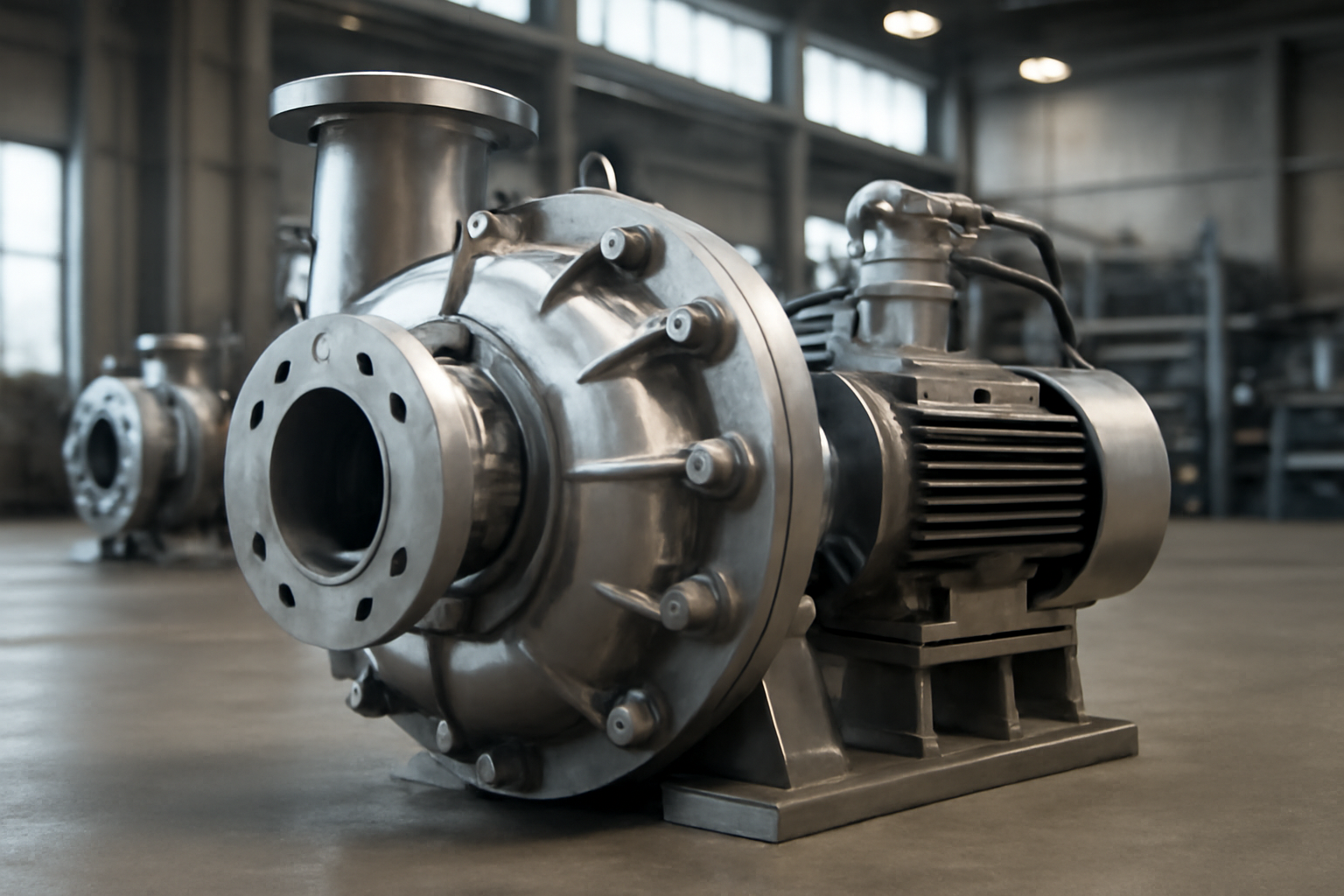
Hydraulic slurry pumps operate by utilizing hydraulic power to drive impellers, ensuring efficient material transport even in challenging conditions. These pumps are typically rated for pressures up to 5,000 PSI and flow rates exceeding 1,000 GPM, making them suitable for heavy-duty applications.
As Dr. James Carter, Senior Engineer at SAE International, states: “Hydraulic slurry pumps excel in scenarios requiring high reliability and durability, especially in abrasive environments.” This advantage is evident in industries such as mining, dredging, and oil & gas.
According to Grand View Research, the adoption of hydraulic submersible pumps has increased by 12% annually, driven by their ability to handle high solids content. POOCCA’s hydraulic slurry pumps are designed to accommodate diverse needs, including mud pumping and disaster recovery, with customizable attachments such as spray bars and pump barges.
Industry Standards
Compliance with standards such as ISO 9001 and API specifications is crucial for hydraulic slurry pumps. These certifications ensure that products meet quality benchmarks and performance requirements.
NFPA guidelines are also relevant, especially for applications in emergency response and hazardous material handling. Hydraulic pumps rated under these standards guarantee operational safety and environmental compliance.
POOCCA adheres to ISO and CE marking standards, offering peace of mind to industrial buyers. Learn more about their quality assurance by visiting POOCCA’s website.
Implementation Guide
Successful deployment of hydraulic slurry pumps requires careful consideration of factors such as flow rates, vertical head, and material composition. For example, pumps with higher PSI ratings are ideal for transporting dense slurries over long distances.
Case studies indicate that switching to hydraulic slurry pumps can reduce downtime by up to 30%, according to IBISWorld. Companies like POOCCA offer tailored solutions, including rental services and hydraulic power unit customization, to meet specific project requirements.
For businesses seeking efficient and reliable solutions, POOCCA’s factory-direct pricing and flexible MOQ options provide unmatched value. Contact their team today to explore available models and configurations.
Future Outlook
The hydraulic slurry pump market is poised for significant growth, with emerging applications in renewable energy and environmental remediation driving innovation. According to Markets and Markets, advancements in pump materials, such as corrosion-resistant alloys, are expected to enhance durability and performance.
As industries increasingly prioritize sustainable solutions, hydraulic slurry pumps will remain a cornerstone of material handling technologies. POOCCA continues to innovate, ensuring their products meet evolving customer demands. Visit their contact page to learn more.
Frequently Asked Questions
What is the difference between a slurry pump and a mud pump?
Slurry pumps are designed to transport abrasive, viscous mixtures containing solids, whereas mud pumps are optimized for drilling applications. According to SAE International, slurry pumps typically handle higher flow rates and larger particle sizes.
What does a slurry pump do?
A slurry pump moves a mixture of liquid and solid particles, often in mining, construction, or wastewater settings. Hydraulic slurry pumps are particularly effective for high-solid content materials due to their higher PSI ratings and durability.
What is the difference between a dredge pump and a slurry pump?
While both pumps handle solids-laden liquids, dredge pumps are specifically designed for underwater applications, such as sediment removal. Slurry pumps, by contrast, are versatile and can operate in varied industrial environments.
What type of pump is best for slurry?
Hydraulic slurry pumps are ideal for handling abrasive and dense slurries due to their robust design and high efficiency. According to Grand View Research, these pumps outperform electric models in demanding applications.
Where can I find hydraulic slurry pumps near me?
Leading manufacturers like POOCCA offer international shipping and factory-direct pricing. Visit POOCCA’s contact page to inquire about availability.
How much do hydraulic slurry pumps cost?
Prices vary depending on specifications such as flow rate, PSI, and material composition. According to IBISWorld, the average price range for industrial-grade hydraulic slurry pumps is $5,000–$50,000.