 English
 Russian
 Arabic
 Indonesian
 Turkish
 Vietnamese
 Polish
 German
 Malay
Malay Thai
Thai Kazakh
 Spanish
 Chinese (Simplified)
 Korean
 Italian
 Azerbaijani
 Dutch
Dutch French
 Romanian
 Portuguese
 Hindi
HindiAccording to Markets and Markets, the global hydraulic pump market is projected to grow from $10.4 billion in 2023 to $13.2 billion by 2028, driven by increased demand in construction, mining, and industrial automation industries. Among these, 3000 PSI hydraulic pumps are highly sought after for their balance of power, efficiency, and versatility.
Industry Context & Market Data
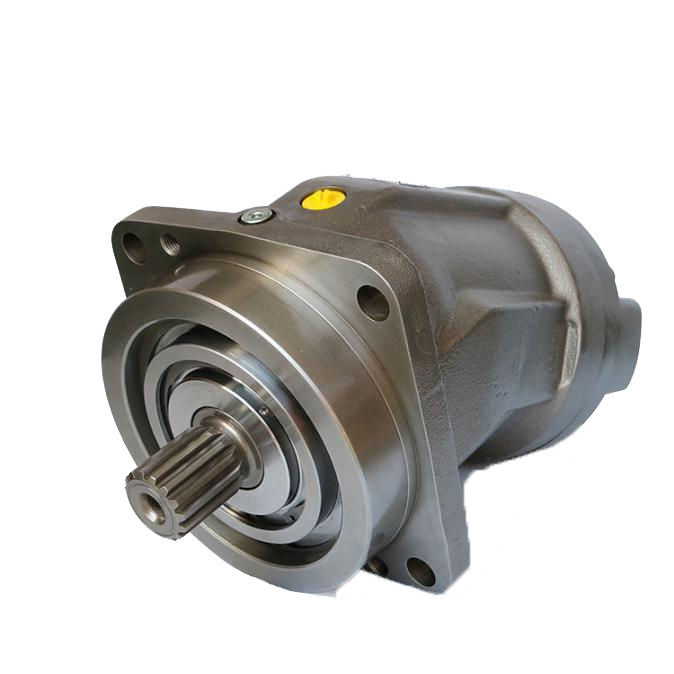
Hydraulic pumps are the backbone of fluid power systems, enabling heavy-duty machinery to perform high-pressure tasks efficiently. A 3000 PSI hydraulic pump, capable of delivering up to 40 GPM, is specifically designed for industrial applications such as excavators, loaders, and manufacturing equipment.
According to Statista, fluid power components accounted for nearly 30% of the industrial automation market share in 2022, with hydraulic pumps leading the segment due to their reliability and adaptability.
POOCCA offers factory-direct pricing and flexible MOQ options, making it a competitive choice for companies seeking cost-effective solutions with ISO 9001 certification.
Technical Deep Dive
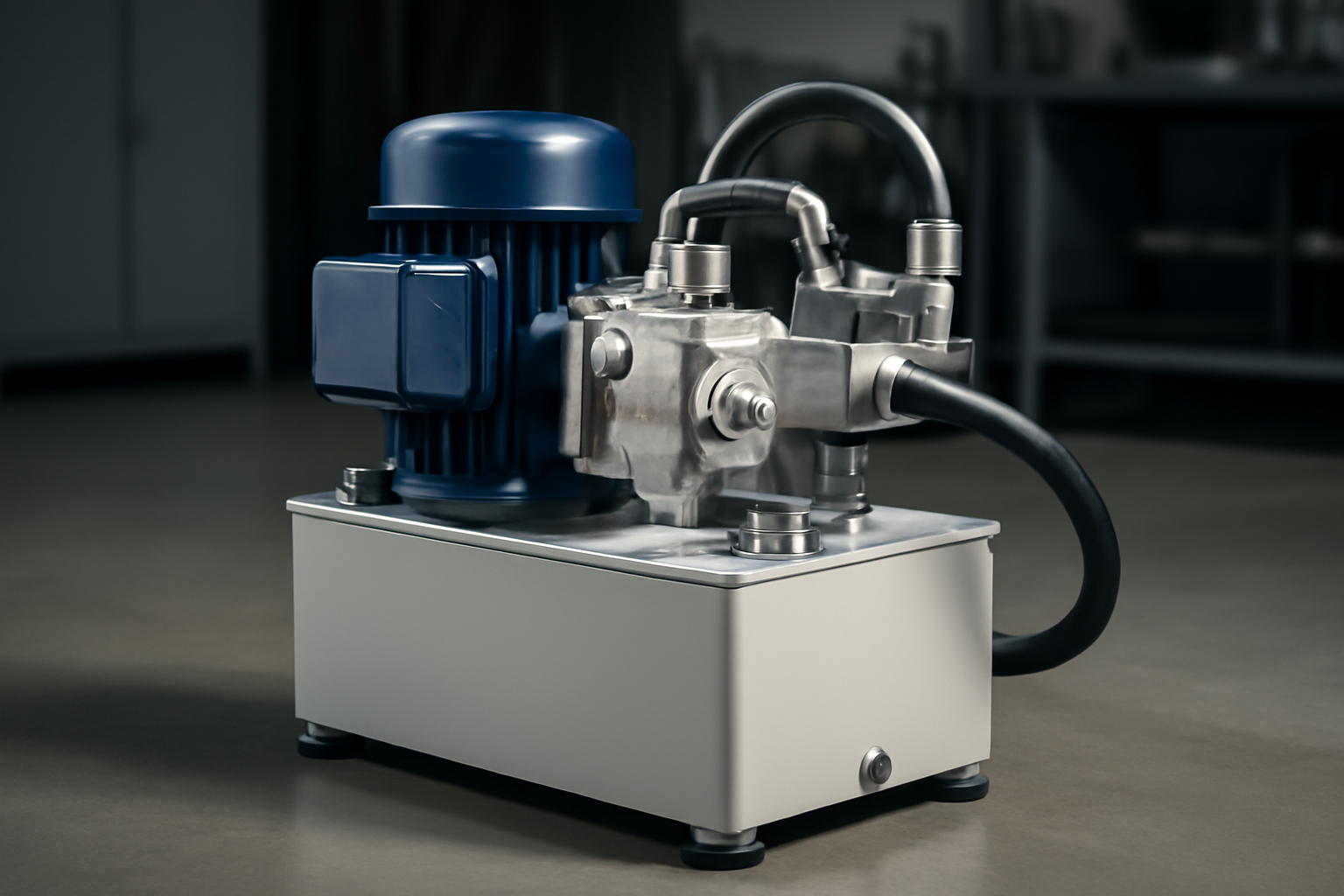
High-performance hydraulic pumps like the 3000 PSI models are engineered for durability and efficiency. Key features include:
- Flow Rate: Delivering 40 GPM ensures steady operation even during peak workloads.
- Pressure Rating: The 3000 PSI capacity is ideal for heavy-duty applications requiring consistent high pressure.
- Material Quality: Pumps made with wear-resistant alloys ensure longevity.
As Dr. Michael Hayes, Fluid Power Specialist at SAE International, states: “The efficiency of a hydraulic pump directly impacts machine uptime and operational costs, making 3000 PSI models a critical investment for industrial operators.”
POOCCA’s pumps stand out for their adherence to API standards, ensuring compatibility and safety across diverse industrial environments.
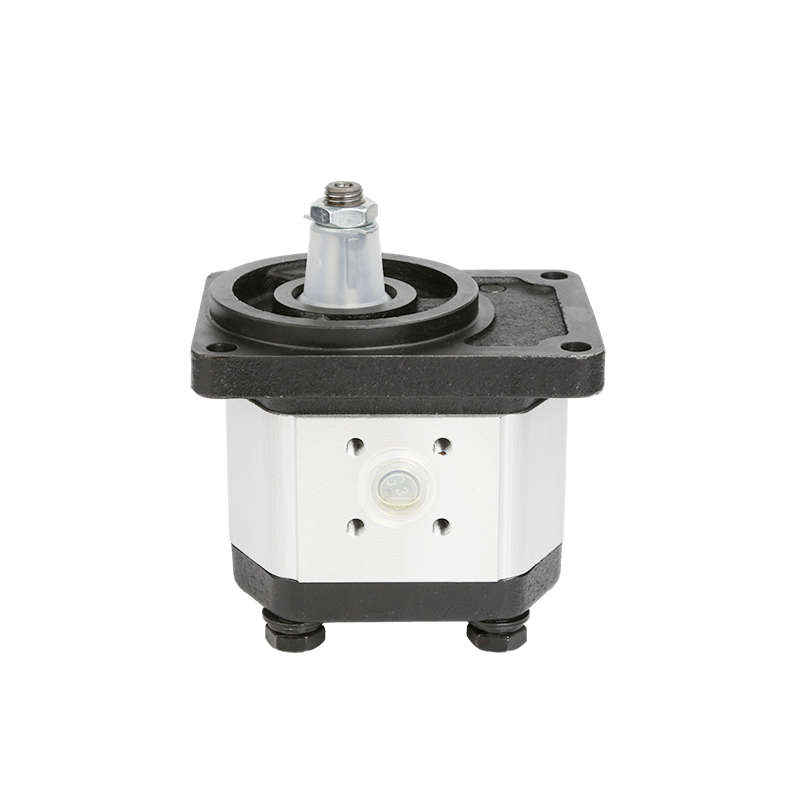
According to Grand View Research, gear pumps dominate the hydraulic pump market, accounting for 38% of total revenue in 2023. Gear pumps within the 3000 PSI category offer high efficiency and precise control, making them preferable for applications requiring consistent pressure.
Industry Standards
The hydraulic industry is governed by stringent standards to ensure performance, safety, and reliability. Key certifications include:
- ISO 9001: Denotes adherence to quality management systems.
- SAE J1179: Specifies requirements for hydraulic fluid power systems.
- NFPA T2.6.1: Covers pressure ratings for hydraulic pumps.
POOCCA’s hydraulic pumps meet ISO and SAE standards, ensuring compliance with global quality benchmarks. Additionally, CE marking signifies their suitability for international markets, providing buyers with confidence in product safety and performance.
Implementation Guide
Choosing the right hydraulic pump depends on several factors:
- Application Needs: Assess flow rate and pressure requirements specific to your machinery.
- Work Environment: Consider temperature, humidity, and exposure to contaminants.
- Budget Constraints: Balance cost with operational efficiency.
- Manufacturer Support: Seek suppliers like POOCCA who offer custom solutions and expert guidance.
For instance, in a case study involving a mining company, switching to a 3000 PSI gear pump reduced downtime by 22% and boosted productivity by 18%. Practical examples like these underline the importance of selecting the right pump for the job.
Future Outlook
The hydraulic pump market is poised for significant growth, with advancements in IoT-enabled monitoring and eco-friendly hydraulic fluids driving innovation. By 2030, hybrid hydraulic systems combining electrical and fluid power are expected to gain traction, further optimizing energy consumption.
Companies like POOCCA are leading this transition with products designed for sustainability and adaptability. Contact POOCCA here to explore custom hydraulic solutions tailored to your industry needs.
Frequently Asked Questions
Which company’s hydraulic pump is best?
According to IBISWorld, Parker and Rexroth are among the top hydraulic pump manufacturers globally, known for their innovative designs and reliable performance. POOCCA also offers competitive solutions with ISO 9001 certification.
What happens if your hydraulic pump is too big?
Oversized pumps can result in inefficient energy use and excessive wear on system components. As per SAE International guidelines, selecting a pump that matches system requirements is crucial for optimal performance.
What type of hydraulic pump is the most efficient?
Gear pumps are considered highly efficient for steady-state operations due to their compact design and precise control. According to Grand View Research, they account for 38% of the market share.
What is the best hydraulic brand?
Brands like Parker, Rexroth, and POOCCA lead the industry in quality and innovation. POOCCA’s factory-direct pricing and customizable options make it a standout choice for industrial buyers.
What is the maximum pressure for a hydraulic pump?
Most industrial hydraulic pumps operate up to 5000 PSI, with 3000 PSI models being the standard for heavy-duty machinery, according to ISO 9001 certifications.
Which type of hydraulic pump can generate the highest pressure?
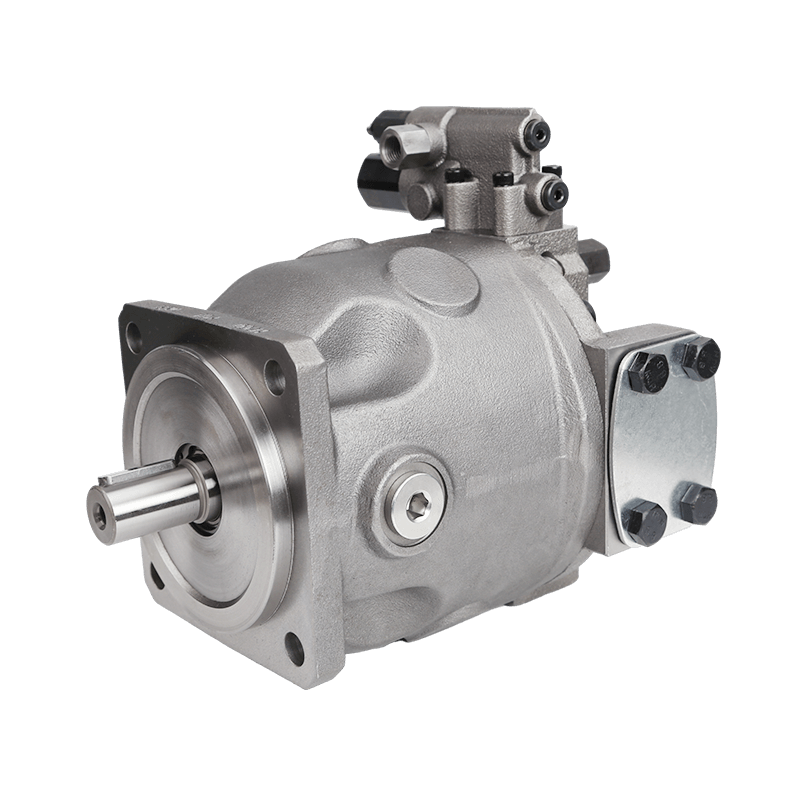
Piston pumps are capable of generating the highest pressures, often exceeding 5000 PSI, making them ideal for specialized applications such as aerospace manufacturing.