 English
 Russian
 Arabic
 Indonesian
 Turkish
 Vietnamese
 Polish
 German
 Malay
Malay Thai
Thai Kazakh
 Spanish
 Chinese (Simplified)
 Korean
 Italian
 Azerbaijani
 Dutch
Dutch French
 Romanian
 Portuguese
 Hindi
HindiHydraulic systems power important operations in manufacturing equipment, construction machinery, and many industrial applications. The relief valve sits at the center of safe and efficient performance. It protects parts by sending extra fluid away when pressure goes above safe limits. The choice between a direct acting relief valve and a pilot operated relief valve affects system response, stability, efficiency, and overall reliability.
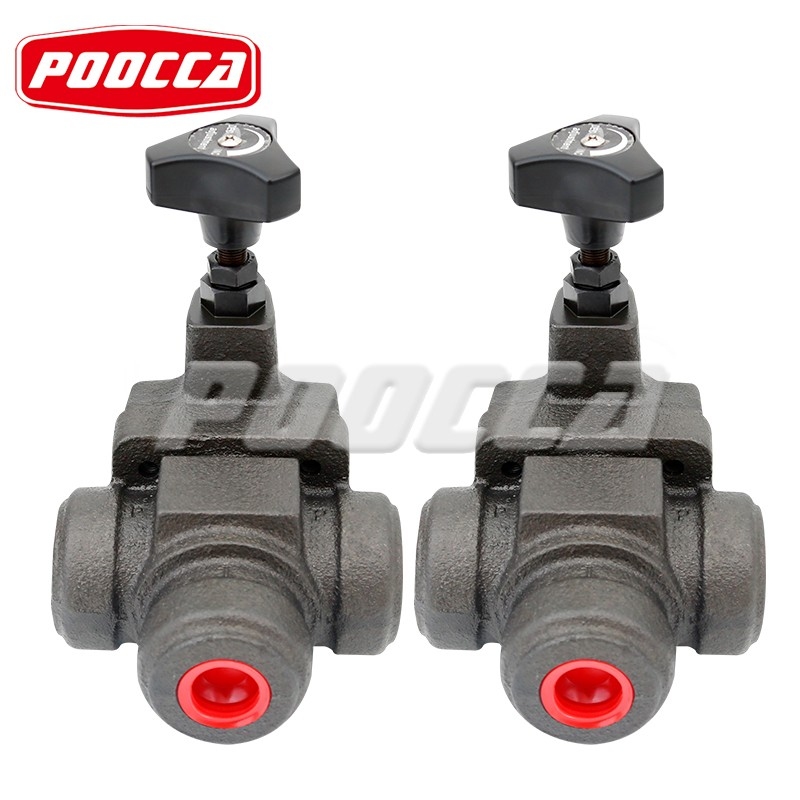
What is a Direct Acting Relief Valve?
A direct acting relief valve works as a main safety device in hydraulic circuits. It stops overpressure that could harm pumps, actuators, cylinders, or other parts. It does this by opening and releasing extra fluid back to the reservoir.
Direct Acting Relief Valve Symbol
In hydraulic schematics, the direct acting relief valve symbol looks like a square box with internal flow paths and diagonal arrows that show the pressure relief direction. A spring symbol often appears with the poppet or ball element. This highlights the direct mechanical opposition to system pressure.
Basic Design and Working Principle
The design stays simple. A poppet or ball sits against an orifice. An adjustable spring holds it closed. System pressure pushes directly on the exposed area of the poppet. When the pressure force becomes greater than the spring preload, the poppet lifts. Then fluid can flow to the tank.
This single-stage operation gives an immediate response. It needs no intermediate stages. Cracking pressure is the point where the valve starts to open. It stays close to full-flow pressure in smaller systems. Yet override, which is the pressure rise above the setpoint at higher flows, becomes clear in larger capacities.
Engineers change the spring tension with a screw to set the relief pressure. Materials usually include hardened steel for the poppet and seat. These materials resist wear from high-velocity fluid flow.
Applications of Direct Acting Relief Valves
Direct acting relief valves fit systems that need rapid response and simple design. Common uses appear in mobile hydraulic equipment such as excavators and loaders. They also work in small to medium industrial machinery, test benches, and pilot protection circuits in larger systems. They perform well in low-to-moderate flow applications where space limits or cost factors are important.
Advantages of Direct Acting Relief Valves
- Rapid response to sudden pressure spikes helps reduce the risk of component damage.
- Simple construction leads to high reliability with fewer failure points.
- Lower acquisition cost appears compared to more complex alternatives.
- Straightforward maintenance and troubleshooting procedures make work easier.
- Compact dimensions help with installation in space-limited assemblies.
- Stable performance occurs across varied operating conditions when the valve is sized correctly.
- Direct mechanical adjustment of pressure settings needs no auxiliary controls.
Disadvantages of Direct Acting Relief Valve
- Elevated pressure override happens at higher flow rates. This leads to less precise control.
- Restricted maximum flow capacity exists relative to valve size.
- Reduced accuracy shows in maintaining the setpoint during sustained high-flow relief.
- Potential spring fatigue can occur after prolonged cycling.
- Increased energy dissipation as heat takes place during continuous bypassing.
- Limited pressure range per individual spring requires swaps for broad adjustments.
What is a Pilot Operated Relief Valve?
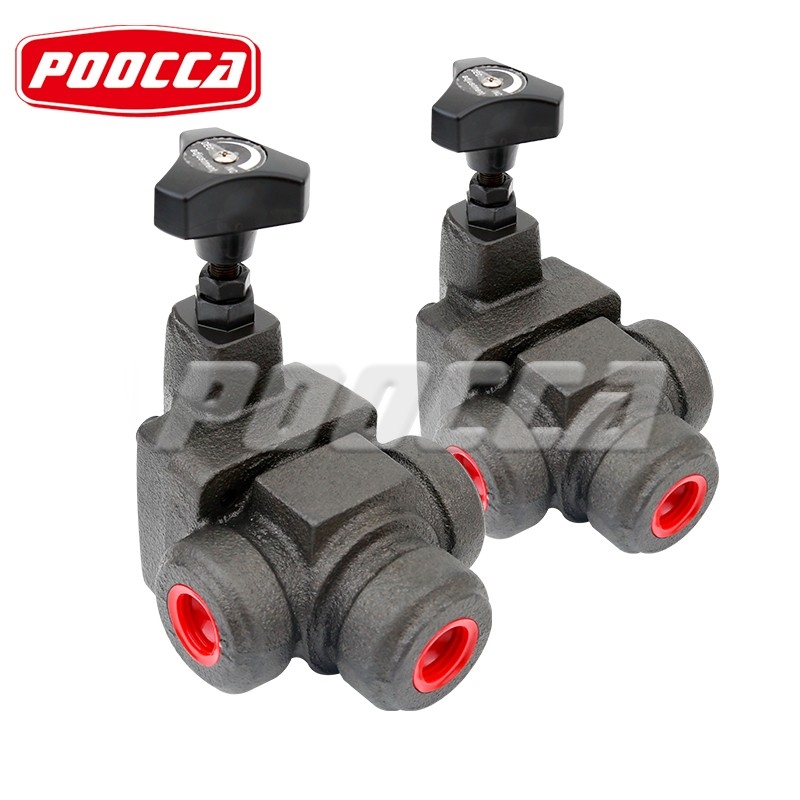
Pilot operated relief valves meet needs for higher flow volumes and tighter pressure regulation in demanding hydraulic circuits. These two-stage devices combine a small pilot section with a larger main valve. This setup creates enhanced performance characteristics.
Pilot Operated Relief Valve Symbol
The symbol shows the main valve as a square with flow arrows. A smaller pilot triangle or circle sits above it. This difference clearly identifies the two-stage configuration in system diagrams.
Basic Design and Working Principle
The pilot operated design balances system pressure on both sides of the main poppet under normal conditions. This action reduces the force needed to open it. A small direct-acting pilot valve senses system pressure. When pressure exceeds the pilot setpoint, the pilot opens. It vents fluid from the main poppet chamber and creates a differential that lifts the main poppet.
This staged process produces low override. The main valve opens with only a small additional pressure rise. The pilot stage gives precise control. At the same time the main stage handles large flows efficiently. Remote adjustment or solenoid integration becomes possible through the pilot circuit.
Damping orifices in the pilot line help stabilize operation. They also reduce chatter. Manufacturers often add filters to protect the sensitive pilot passages from contamination.
Applications of Pilot Operated Relief Valves
These valves work well in large-scale industrial hydraulic systems that need precise pressure management and high flow capacity. Typical uses include power generation equipment, heavy-duty presses, process control systems, injection molding machines, and critical safety circuits. They also support remote pressure adjustment or integration with electronic controls in automated setups.
Key Differences Between Direct Acting and Pilot Operated Relief Valves
Direct acting valves depend on immediate mechanical action. They provide fast opening but accept higher override. Pilot operated valves add a control stage. This stage separates sensing from main flow handling. As a result, they achieve better modulation and capacity. However, they have a slightly slower initial response.
Response time favors direct acting designs for shock protection. Pilot operated versions keep closer adherence to the setpoint across flow ranges. Flow capacity grows better with pilot operated models. They suit systems that exceed 100-200 L/min. Pressure override in direct acting valves can reach 10-20% or more of the setpoint at full flow. In contrast, it stays at 2-5% in well-designed pilot units.
Noise characteristics differ too. Direct acting valves may create sharper squealing during relief. Pilot operated units produce lower-frequency sounds. Cost and complexity trade-offs separate the types even more. Direct acting options serve economical and straightforward protection. Pilot operated options support optimized efficiency in continuous-duty applications.
Factors to Consider When Selecting a Relief Valve
System engineers review several parameters before they make a specification. Flow rate requirements decide whether a direct acting valve works or if pilot operation becomes necessary for acceptable pressure rise. Operating pressure range, fluid viscosity, temperature extremes, and contamination levels affect material and design choices.
Duty cycle matters. Intermittent spike protection points toward direct acting valves. Sustained relief or precise regulation favors pilot operated valves. Installation constraints include port sizes, mounting orientation, and adjustment accessibility. These factors also play important roles. Compatibility with existing manifold or cartridge systems makes integration easier.
Engineers calculate cracking pressure, full relief flow, and reseat behavior with manufacturer curves. Simulation tools or prototype testing confirm performance under actual load profiles.
Additional Considerations in Hydraulic Relief Valve Design
Cartridge vs. Inline Configurations
Modern systems often use cartridge-style relief valves for modular integration into custom manifolds. Direct acting cartridges offer compact, screw-in solutions. They fit mobile and compact machinery. Pilot operated cartridges provide high-flow performance within standardized cavities. They support stackable or subplate-mounted assemblies. Inline threaded or flanged bodies suit retrofit or standalone installations. These work where manifold space is not available.
Material Selection and Fluid Compatibility
Valve bodies and internals usually use high-strength alloy steels or stainless variants for corrosion resistance. Seals must match the hydraulic fluid. Nitrile works for mineral oils. Viton or EPDM suits synthetics or fire-resistant fluids. Hardened seats and poppets resist erosion from high-velocity discharge. Manufacturers test for compatibility with ISO VG grades and operating temperatures from -20°C to 80°C or higher in specialized models.
Pressure Setting and Adjustment Mechanisms
Direct acting valves use simple screw adjustments with locking nuts. Pilot operated designs may include hand knobs, locking screws, or remote pilot lines for centralized control. Some advanced models accept proportional solenoids for dynamic pressure variation under electronic command. This expands application into servo-like circuits.
Conclusion
Business seeking reliable hydraulic relief valves or complete system components benefit from partnering with an experienced factory. POOCCA serves as a trusted manufacturer and supplier capable of delivering customized direct acting and pilot operated relief valves alongside full hydraulic product lines at competitive factory pricing. Contact the team today for technical consultation, product specifications, or tailored solutions to enhance system safety and efficiency. Reach out via email at sales@kamchau.com or phone at +86 18927498997 to discuss specific project needs and receive prompt support.
FAQ
What is the main difference between direct acting and pilot operated relief valves?
Direct acting valves use a single spring-loaded poppet with pressure acting directly on it for fast response. Pilot operated valves employ a two-stage design where a small pilot controls a larger main poppet. This offers lower override and higher flow capacity.
When should a direct acting relief valve be chosen?
Applications requiring quick response to pressure spikes, lower cost, compact size, and moderate flow rates favor direct acting relief valves. Examples include mobile equipment or small machinery.
What advantages do pilot operated relief valves provide in large systems?
Pilot operated relief valves deliver precise pressure control, minimal override, high flow handling, and better efficiency during continuous operation. They make them suitable for heavy industrial and process equipment.
Are pilot operated relief valves more sensitive to contamination?
Yes, the pilot circuit contains smaller passages that require cleaner fluid to prevent malfunctions. Direct acting designs tolerate higher contamination levels more readily.
Can relief valves be adjusted remotely?
Pilot operated models commonly support remote adjustment through pilot lines or electronic controls. Direct acting valves typically require manual local adjustment.