
 English
 Russian
 Arabic
 Indonesian
 Turkish
 Vietnamese
 Polish
 German
 Malay
Malay Thai
Thai Kazakh
 Spanish
 Chinese (Simplified)
 Korean
 Italian
 Azerbaijani
 Dutch
Dutch French
 Romanian
 Portuguese
 Hindi
HindiNoise in hydraulic systems acts as an important sign for diagnosis. Normal working sounds come from fluid movement and part motion. However, unusual noises like sharp whining, uneven hissing, regular knocking, metal grinding, rattling, or uneven pulsing often show problems or possible breakdowns soon. Frequent causes include cavitation, aeration, mechanical wear, contamination, pressure problems, flow turbulence, and wear on certain parts. Fixing these issues quickly helps keep the system strong, avoids expensive stops, and supports good work in industrial machines that use hydraulic pumps, motors, valves, and actuators.

Cavitation
Cavitation happens when pressure in one spot falls below the fluid’s vapor pressure. Vapor bubbles form then. These bubbles collapse fast when they move to areas with higher pressure. The collapse creates shock waves. This leads to damage on surfaces and special sound patterns. Main reasons include blocked suction, pump speeds too high past design limits, fluid that is too thick because of low temperatures, inlet lines too small, clogged strainers, or not enough net positive suction head available (NPSHA).
The noise usually shows a constant sharp whine in light cases. In strong cases, it turns into loud rattling. The sound feels like marbles or gravel shaking inside a can.
Troubleshooting
Check and fix the fluid level in the reservoir. Make sure the inlet strainer stays fully under fluid. This stops vortex formation.
Look at suction strainers, filters, and lines for any blocks. Clean them well or replace them. This reduces pressure drop.
Compare fluid temperature and viscosity to the specs. Preheat the fluid if needed. Or choose the right grade.
Confirm that pump rotational speed matches manufacturer ratings. Lower it if the pump runs too fast.
Examine inlet plumbing. Check for correct diameter, few bends, and enough NPSHA. Change parts if necessary.
Aeration
Aeration brings air from outside into the fluid through the suction side. This creates bubbles that can compress. The bubbles harm lubrication and reduce damping. Unlike cavitation, which uses vapor, aeration comes from outside sources such as leaks or foam. The noise appears as uneven sharp whining, hissing, gurgling, or banging and knocking. These sounds happen because air compresses and expands in cycles.
Troubleshooting
Inspect suction fittings, hoses, clamps, and shaft seals. Look for looseness, cracks, or wear. Tighten or replace bad parts.
Make sure fluid level stops air from entering at the suction port. Change reservoir design if vortexing continues.
Replace damaged seals, O-rings, or gaskets that let air in.
Examine suction lines for holes, damage, or bad routing. Repair or change the path.
Check that breather vents and return lines allow air to escape without blocks.
Worn, Loose, Misaligned, or Poorly Maintained Components
Wear builds up slowly on bearings, seals, couplings, shafts, and inner parts. Misalignment happens from heat growth, vibration, or wrong setup. These issues create noises from friction. Grinding, squealing, or roaring shows surfaces touching. Rattling points to loose parts. Metallic whirring comes with bearing wear.
Troubleshooting
Do regular checks on items that wear fast, such as bearings and seals. Look for play, scoring, or heat signs.
Tighten all fasteners, mounts, and fittings to the right torque. This lowers vibration.
Apply laser alignment tools to pump-motor couplings. Fix any angular or parallel errors.
Replace bearings that feel rough, run too hot, or have contamination inside.
Check hoses, pipes, and supports for fatigue or outside contact.
Pressure Spikes
Sudden pressure jumps occur from blocks, quick load changes, bad controls, or relief valves set wrong or stuck. These create hammering or popping sounds in sequence. The spikes put extra load on parts and increase fatigue.
Troubleshooting
Find and remove any blocks in lines, valves, or filters.
Adjust relief valves to the correct cracking pressure and full-flow ability.
Check compensator or unloader settings on variable pumps.
Record operation data. Link spikes to load changes. Improve controls.
Look at and replace worn valves, seals, gaskets, or clogged parts.
Fluid Contamination and Viscosity Issues
Particles, water, or lost additives in the fluid speed up abrasive wear. They also change how fluid flows. Thick fluid from high viscosity blocks inlet flow. It acts like cavitation. Thin fluid from low viscosity lowers damping. Contamination makes noise worse with more turbulence.
Troubleshooting
Run particle count and spectroscopy tests. Replace fluid if cleanliness goes past ISO targets.
Improve filtration with better elements. Watch delta-P.
Keep the best operating temperature for proper viscosity.
Clean out dirty systems. Fix sources of entry like breathers or coolers.
Choose fluid that works well with seals and temperatures.
Turbulence and Flow-Related Noise
Fast flow speeds, sudden shape changes, small pipes, or short paths in the reservoir cause turbulent flow. This produces rushing, whining, or surging noises. Recirculation during low loads adds pulsing.
Troubleshooting
Size lines according to velocity rules (suction <1.5 m/s, pressure <5-6 m/s).
Cut down on elbows, tees, and blocks in suction paths.
Add baffles in reservoirs. This separates inlet and outlet areas.
Improve inlet conditions for steady supply.
Prevent long periods of low flow. Add minimum flow bypass if needed.
Mechanical Sources in Pumps and Motors
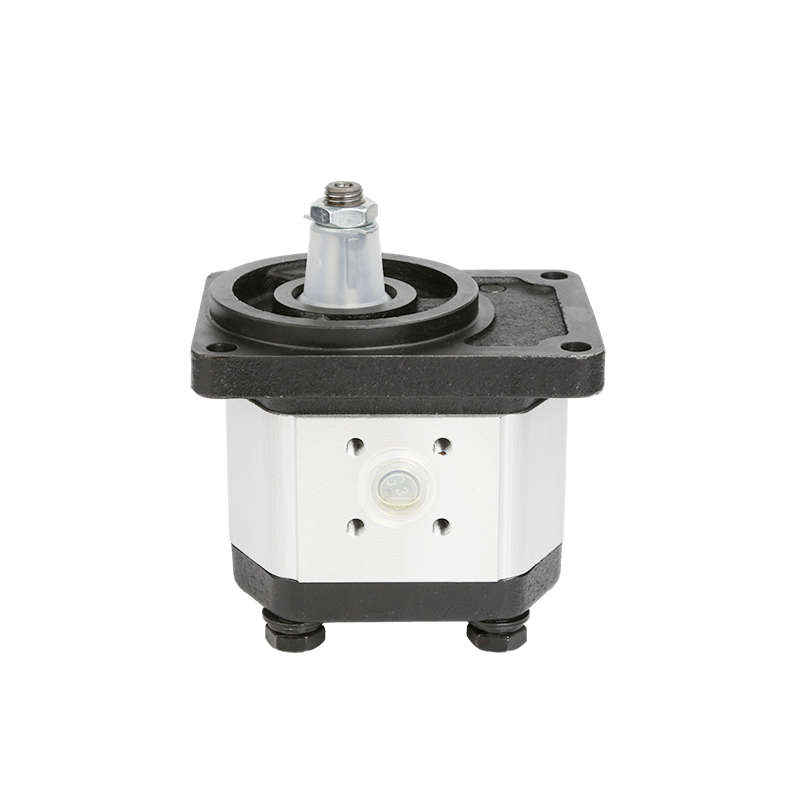
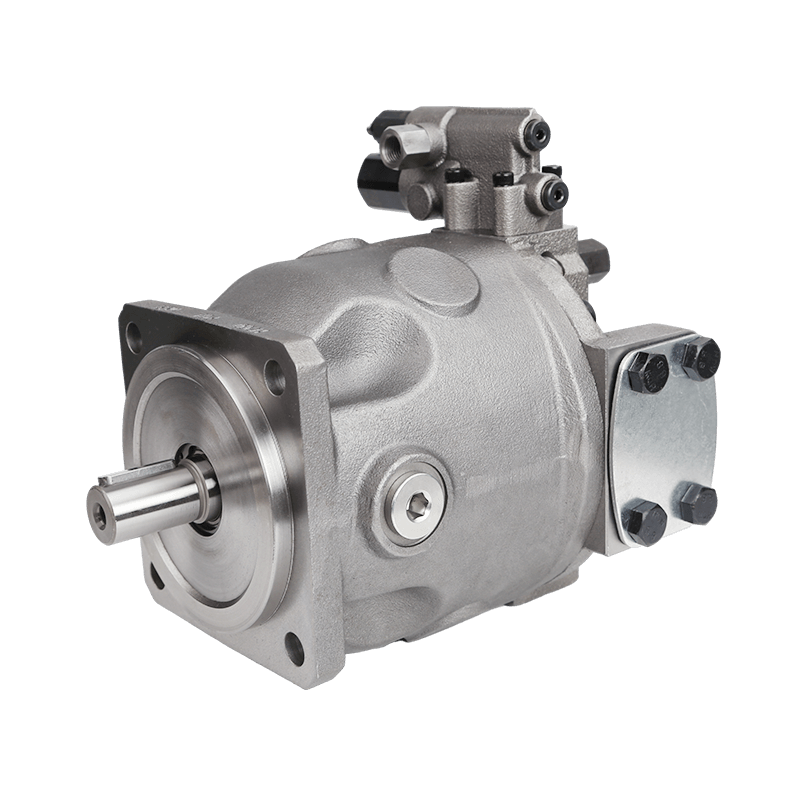
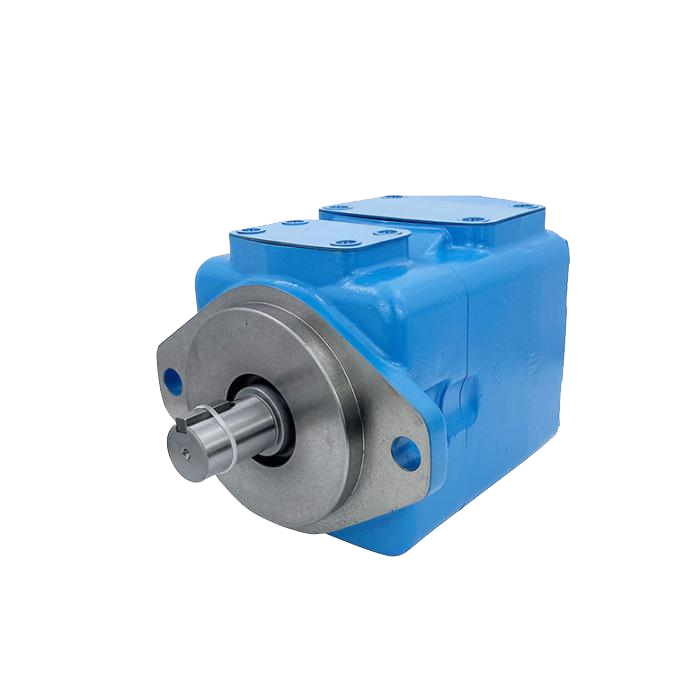
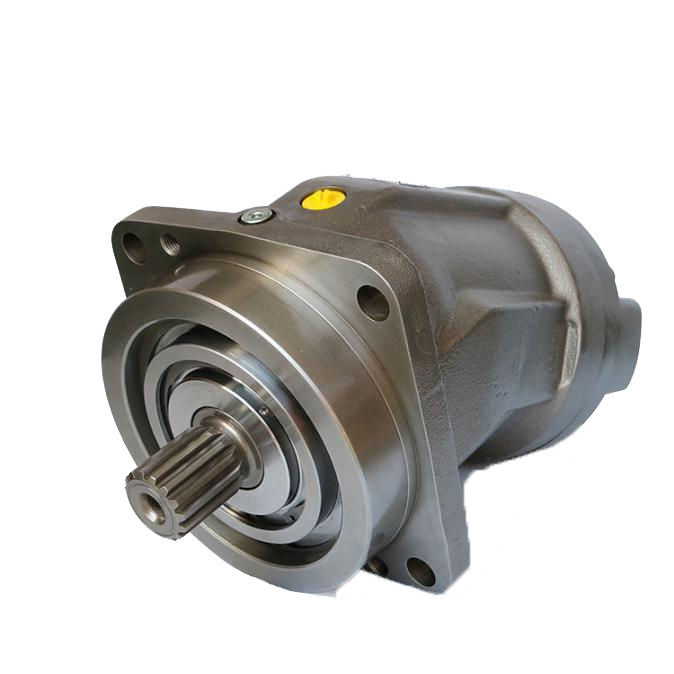
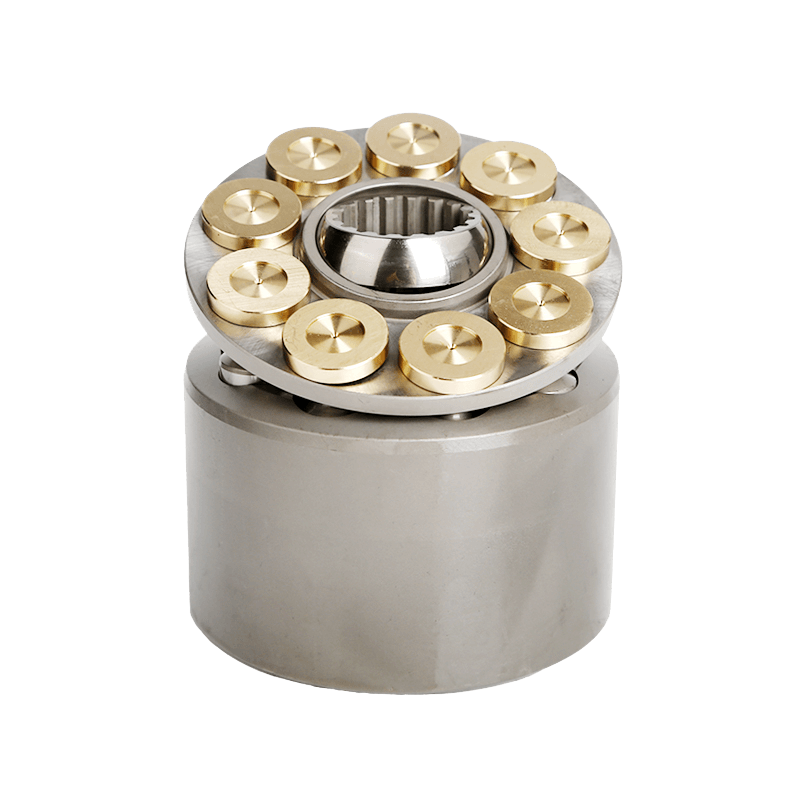
Problems specific to pumps include piston slap in axial types (from clearance wear), vane chatter, or uneven gear meshing. Motor noises often match pump issues but appear in different spots.
Troubleshooting
Use a stethoscope or vibration analyzer to find the exact source (pump inlet vs. motor housing).
Check bearings for axial or radial play or contamination.
Look inside during rebuild. Check for wear on pistons, vanes, or gears.
Replace with accurate parts that match OEM tolerances.
Provide enough cooling and lubrication.
Valve Instability and Pressure Ripple
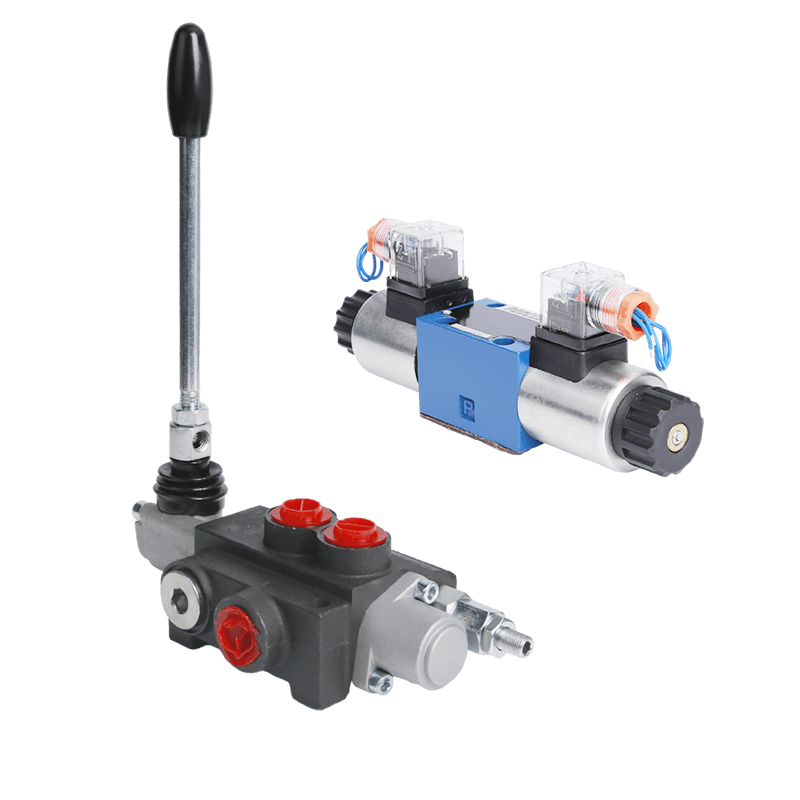
Valves become unstable and move back and forth. This happens from poor damping, strong ripple from pumps, or wrong natural frequencies. The result is chattering or buzzing. Pressure ripple spreads as noise through the fluid.
Troubleshooting
Test valve action for smooth work. Adjust damping orifices.
Measure pump ripple harmonics. Choose designs with low ripple if required.
Separate parts with accumulators or silencers.
Confirm mounting to stop resonance growth.
Watch frequencies that match system natural modes.
Bearing Noise Diagnosis in Hydraulic Pumps and Motors
Bearings that fail make growling, whining, or uneven knocking sounds. These come from brinelling, spalling, or bad lubrication. Finding them early through vibration patterns stops major breakdowns.
Troubleshooting
Track vibration levels with accelerometers. Rising trends show worsening.
Check lubrication state and timing. Dirty or low grease/oil speeds up wear.
Look for misalignment or too much load. These cause uneven force.
Replace bearings with pitting, color changes, or high temperature.
Start predictive maintenance with regular checks.
Still Having Issues? Contact POOCCA
Noises that continue or seem complicated need expert review. This prevents worse problems. POOCCA Hydraulic Manufacturer provides premium hydraulic pumps, motors, vane pumps, gear pumps, piston pumps, valves, and precision replacement parts compatible with Rexroth, Parker, Vickers, Danfoss, and equivalents. Backed by over 20 years of expertise, state-of-the-art CNC production, stringent quality testing, and a catalog of more than 1,600 items, POOCCA ensures dependable performance for demanding applications.
Frequently Asked Questions (FAQ)
What distinguishes cavitation from aeration acoustically?
Cavitation gives a steady high-pitched whine or gravel-like rattle. Aeration creates uneven whining, hissing, or banging.
How does viscosity influence noise generation?
High viscosity from cold fluid blocks inlet flow and supports cavitation. Low viscosity lowers fluid damping.
What role do bearings play in hydraulic noise?
Worn bearings create growling or uneven knocking. They often come with vibration. Early replacement stops failure.
Why monitor pressure ripple in noisy systems?
Ripple triggers resonances or valve instability. This increases fluid-borne noise.
When does professional intervention become essential?
After basic checks fail, or when vibration rises, leaks appear, or performance falls.
Partner with a Trusted Hydraulic Solution Supplier
Manufacturers and suppliers requiring robust OEM-equivalent hydraulic components—pumps, motors, valves, and parts—gain from POOCCA‘s factory expertise. As a premier manufacturer and supplier, POOCCA delivers fast turnaround, custom configurations, competitive pricing, and dedicated technical assistance to enhance system reliability. Contact the POOCCA specialists now for consultations, quotations, or tailored recommendations—secure optimal hydraulic solutions from a committed hydraulic factory. Email sales@kamchau.com or call +86 18927498997 to initiate collaboration.