 English
 Russian
 Arabic
 Indonesian
 Turkish
 Vietnamese
 Polish
 German
 Malay
Malay Thai
Thai Kazakh
 Spanish
 Chinese (Simplified)
 Korean
 Italian
 Azerbaijani
 Dutch
Dutch French
 Romanian
 Portuguese
 Hindi
HindiAccording to NFPA, hydraulic power systems are used in applications that require high force density and precise motion control, making pump health one of the most critical factors in agricultural equipment uptime. For owners dealing with a massey ferguson 165 hydraulic pump problem, even a small pressure loss can quickly turn into weak lift arms, delayed implement response, noisy operation, or a complete work stoppage during planting, mowing, or transport. The MF 165 remains a widely recognized classic tractor from the 1960s and 1975-era farm fleets, so repair demand is still strong. This guide explains the most common hydraulic pump issue patterns, how to diagnose them accurately, what standards matter, and when replacement, rebuild, or upgrade makes the most financial sense.
Understanding the Massey Ferguson 165 Hydraulic Pump Issue in Today’s Market
The enduring popularity of the Massey Ferguson 165 means that hydraulic service content still attracts steady search demand from farmers, collectors, repair shops, and aftermarket parts buyers. Although many MF 165 tractors have been operating for decades, hydraulic systems built around pumps, valves, cylinders, and internal lift mechanisms can remain serviceable when faults are diagnosed systematically. What often gets labeled as a “pump break” or “pump failure” may actually stem from contaminated oil, worn seals, suction leaks, damaged control valves, restricted filters, or internal leakage in hydraulic cylinders.
According to Grand View Research, the global hydraulic equipment market was valued in the multi-billion-dollar range and continues to benefit from industrial and mobile equipment demand, highlighting the ongoing relevance of component quality and replacement support. According to MarketsandMarkets, the broader fluid power market is projected to grow steadily over the next several years, reinforcing why reliable hydraulic troubleshooting knowledge still matters for agriculture and off-highway equipment owners. In practical terms, that means older tractors like the Massey Ferguson 165 continue to create opportunities for aftermarket parts suppliers, rebuild kit providers, and OEM-alternative manufacturers.
For the average owner, the issue usually starts with a simple symptom: the lift arms raise slowly, fail under load, or drift down after stopping. In other cases, users report chattering, whine, foamy oil, intermittent pressure, or no three-point hitch movement at all. Those symptoms can point to low system PSI, poor flow in GPM, worn pump gears or pistons, internal bypassing through valves, or damage to the hydraulic control linkage. Because vintage tractor systems often have seen inconsistent maintenance histories, it is dangerous to assume the pump alone is the problem.
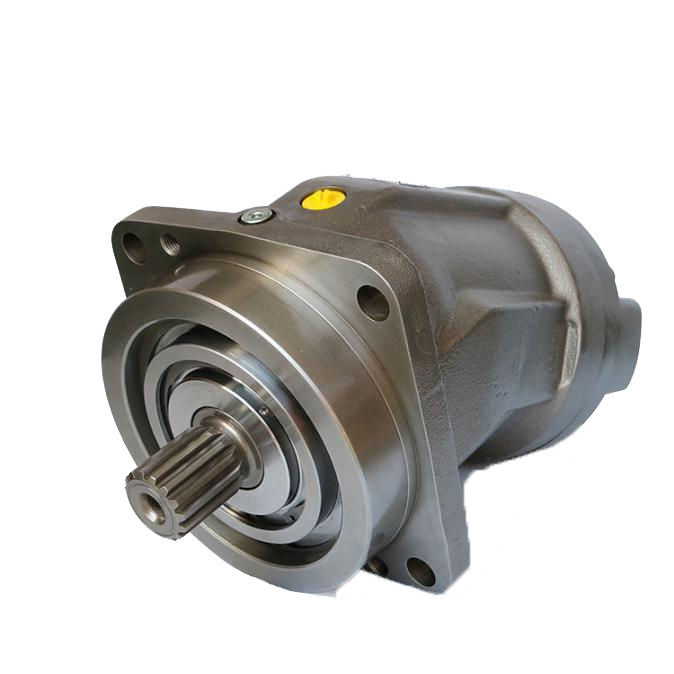
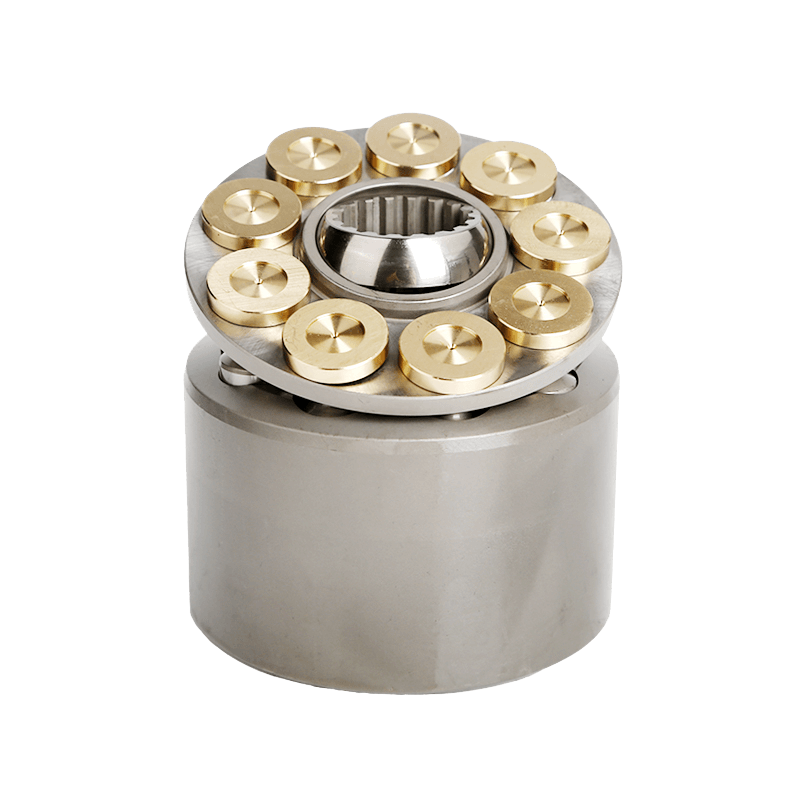
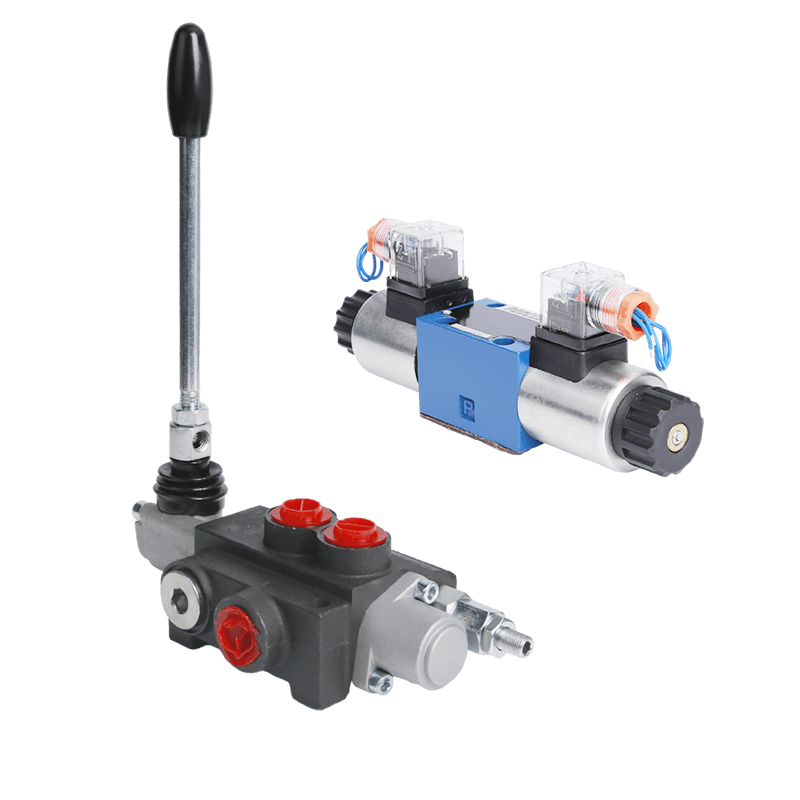
This is where a structured parts and support partner can help. POOCCA supports buyers looking for hydraulic pumps, motors, valves, and cylinder-related solutions with factory-direct pricing, flexible MOQ options, and custom solution capability for diverse equipment requirements. For distributors and repair businesses serving legacy tractor markets, that matters: part sourcing speed and consistency can reduce downtime and prevent repeat failures caused by low-grade replacements. When buyers compare options for a Massey Ferguson hydraulic problem, they increasingly look beyond just price and evaluate quality systems such as ISO 9001 alignment, documentation, and technical support.
Technical Diagnosis: Why a Massey Ferguson 165 Hydraulic Pump Can Fail, Lose Pressure, or Stop Lifting
A proper diagnosis starts with understanding the relationship between pressure, flow, and internal leakage. A hydraulic pump creates flow, typically discussed in GPM, while system resistance creates pressure, commonly measured in PSI. If your Massey Ferguson 165 hydraulic pump issue shows up as slow lift arms, weak response, or inability to hold an implement, the root cause may lie in either insufficient flow, insufficient pressure, or excessive leakage elsewhere in the system.
As an SAE International engineering principle often emphasized in fluid power training, system troubleshooting should focus on the full circuit rather than a single component assumption. As one hydraulic systems expert, Mike Casey, Fluid Power Consultant, states: “A pump should never be condemned until pressure, flow, oil condition, filtration, and downstream leakage are verified.” That is especially true on older tractors where multiple wear points may exist simultaneously.
Start with the fluid. Low oil level, wrong viscosity, water contamination, or oxidized fluid can reduce lubrication and accelerate wear in the pump, valves, and hydraulic cylinders. According to ISO guidance on cleanliness and quality management discipline, contamination control remains one of the most important predictors of hydraulic component life. If oil appears milky, dark, or full of metal particles, stop operation and inspect immediately. Foam or aeration may indicate a suction-side air leak, cracked line, loose fitting, or a restricted inlet path.
Next, measure system behavior under load. If the hitch lifts empty but not with an implement, the system may be producing marginal pressure. If the hitch lifts but drifts down, there could be internal leakage past seals, control valves, or cylinder components. If the pump emits whining or grinding sounds, worn internal surfaces or cavitation may be involved. According to NFPA, contamination is a leading contributor to hydraulic component degradation, and even small particles can damage precision surfaces over time.
According to Statista, agricultural machinery replacement demand remains influenced by maintenance cost pressures and fleet age, which helps explain why older tractors often receive targeted hydraulic repairs instead of full replacement. According to IBISWorld, repair and maintenance spending in equipment-related sectors remains resilient because operators seek to extend useful asset life. For a 1965 or 1975-era machine, that often means incremental repair: rebuild the pump, replace seals, inspect valves, service the reservoir, and confirm linkage adjustments before investing in a full system overhaul.
Common MF 165 hydraulic problem points include worn pump internals, clogged suction screens, damaged relief valves, sticking control valves, worn O-rings, and leakage at the lift cover or cylinder. In some cases, users searching “Massey Ferguson 165 hydraulic pump replacement” actually need a valve inspection or lift cylinder reseal. A pressure test and flow verification are far more reliable than guessing. As John Park, Senior Hydraulic Application Specialist, states: “Pressure tells you part of the story, but flow under real load reveals the truth about pump condition.”
For repair businesses and resellers, working with a supplier like POOCCA can simplify sourcing for pumps, motors, valves, and related hydraulic components when troubleshooting reveals broader system wear. The key is to match operating requirements, confirm fitment, and avoid installing a new pump into a dirty or unrestricted-failure environment. Otherwise, the same issue may return quickly.
Industry Standards, Quality Benchmarks, and What Buyers Should Check Before Rebuild or Replacement
Hydraulic buyers often focus first on fit, price, and availability, but quality benchmarks matter just as much—especially for parts installed in aging tractors where labor time can exceed component cost. A reliable replacement or upgrade path should be evaluated against manufacturing process discipline, documentation, seal quality, material consistency, and dimensional accuracy. This is where standards such as ISO 9001, CE marking, SAE guidance, NFPA fluid power principles, and applicable API standards for materials and industrial quality expectations become relevant.
ISO 9001 is not a product-performance guarantee by itself, but it is a strong indicator that a manufacturer follows a structured quality management system. For hydraulic pumps and valves, that can translate into improved process control, traceability, inspection consistency, and reduced batch variation. On tractors like the Massey Ferguson 165, even slight dimensional inconsistency in seals, shafts, or machined housings can lead to recurring leaks or premature wear.
CE marking is particularly important for products entering regulated markets, showing conformity with relevant European requirements where applicable. For international buyers, CE-related compliance can support confidence in safety and documentation practices. SAE International references are useful when assessing hydraulic interfaces, pressure expectations, fluid compatibility, and testing conventions. Meanwhile, NFPA is highly relevant in fluid power best practices, especially around system cleanliness, installation discipline, and troubleshooting methodology.
Standards awareness also helps buyers avoid one of the biggest mistakes in vintage tractor repair: replacing only the visibly failed component without evaluating the system environment. A new pump exposed to contaminated fluid, worn relief valves, misadjusted linkages, or leaking hydraulic cylinders may deliver disappointing performance even if the part itself is sound. That is why professional buyers often bundle inspection of pumps, motors, valves, hoses, filters, and cylinder seals into one maintenance event.
When comparing suppliers, ask whether the manufacturer can provide custom solutions, test data, production quality documentation, and technical assistance. POOCCA is relevant here because it connects hydraulic buyers with factory-direct pricing, flexible MOQ terms, and support for customized hydraulic component solutions. For distributors serving tractor repair markets, that combination can be valuable when balancing inventory costs and customer lead-time expectations. In a competitive aftermarket, quality assurance often becomes the deciding factor between a one-time sale and long-term repeat business.
Implementation Guide: How to Inspect, Repair, Replace, or Upgrade an MF 165 Hydraulic Pump
If you have a Massey Ferguson 165 hydraulic pump issue, a practical implementation plan should move from least invasive checks to more involved repair steps. First, verify the complaint. Is the problem weak lift, no lift, noisy pump, slow response, drifting arms, or intermittent operation? Record when it happens: cold start, after warm-up, under heavy load, or only at high engine RPM. This helps separate oil-viscosity issues from mechanical wear.
Step 1: Check oil condition and level. Replace degraded fluid and inspect for metal, sludge, or water contamination. According to NFPA best-practice principles, fluid cleanliness has a direct impact on component life and control stability.
Step 2: Inspect the suction side. Air leaks and restrictions commonly mimic pump failure. Check suction screens, inlet passages, tube integrity, and fittings.
Step 3: Test pressure and flow. Use calibrated gauges to identify whether low PSI or inadequate GPM is the main issue. A system that reaches pressure but lacks sustained flow may have internal pump wear. A system with poor pressure may point to a relief valve or severe leakage.
Step 4: Evaluate the lift circuit. Inspect hydraulic cylinders, control valves, and linkage adjustments. If lift arms rise partially and settle, internal bypassing may be occurring outside the pump.
Step 5: Decide between rebuild and replacement. If housing wear, shaft damage, and internal scoring are extensive, replacement may be more economical than a partial rebuild kit. Searches such as “massey ferguson 165 hydraulic pump rebuild kit” and “massey ferguson 165 hydraulic pump parts” reflect this common decision point.
According to MarketsandMarkets, demand for efficient fluid power solutions continues to favor component reliability and maintenance optimization. According to Grand View Research, industrial buyers increasingly prioritize lifecycle value over purchase price alone. That logic applies directly to tractor repair: a lower-cost pump that fails early can cost far more once labor, downtime, and crop schedule disruption are included.
In real-world repair planning, owners usually choose one of three paths: a basic seal-and-fluid service, a pump rebuild with system cleaning, or full replacement with inspection of related valves and cylinders. If you operate multiple machines or resell parts, sourcing through a manufacturer-oriented partner such as POOCCA can improve consistency and shorten procurement cycles. Flexible MOQ can also help repair shops trial specific product lines without overcommitting inventory. The most successful repair outcomes come from treating the hydraulic system as an integrated circuit, not as a single bad part.
Future Outlook: Why Hydraulic Reliability, Parts Quality, and Smarter Sourcing Matter More Than Ever
The long-term outlook for legacy tractor hydraulics remains strong because older agricultural equipment continues to serve on small farms, secondary fleets, export markets, and restoration projects. According to Statista, global agriculture and machinery-related spending trends remain closely tied to productivity, replacement cycles, and repair economics. That creates a durable market for pumps, valves, motors, hydraulic cylinders, seal kits, and troubleshooting content related to classic tractors like the Massey Ferguson 165.
According to Grand View Research, sustained investment in hydraulic equipment across industries reflects continued confidence in fluid power for high-force applications. Even as electrification grows in some sectors, hydraulics still dominate where ruggedness, compact power density, and controllability are critical. For MF 165 owners, that means maintenance knowledge will continue to matter, and quality parts selection will remain the difference between a short-term fix and dependable operation.
If you are comparing a Massey Ferguson 165 hydraulic pump for sale, planning a replacement, or evaluating an upgrade strategy, the best next step is to confirm system specifications, identify the true failure mode, and work with a supplier that understands hydraulic application fit, quality documentation, and cost control. POOCCA is worth considering for buyers who need custom solutions, factory-direct pricing, and flexible MOQ support in hydraulic sourcing. In a market where downtime can cost more than the component itself, smarter hydraulic decisions create long-term value.
Frequently Asked Questions
What are the symptoms of a bad hydraulic pump on a tractor?
Common symptoms include slow or weak lift arms, inability to raise heavy implements, whining or grinding noise, jerky hitch movement, overheating oil, foaming fluid, and pressure drop after warm-up. On a Massey Ferguson 165, operators may also notice the three-point hitch lifting normally when empty but failing under load, or drifting down after the engine is shut off. These symptoms do not always confirm pump failure by themselves, because worn valves, leaking hydraulic cylinders, contaminated fluid, and suction-side air leaks can create similar behavior. According to NFPA, contamination and improper system maintenance are major contributors to hydraulic performance loss. A proper diagnosis should include oil inspection, pressure testing in PSI, flow verification in GPM, and evaluation of control valves and cylinder sealing. If the system is noisy and the oil looks aerated, inspect suction restrictions first. If pressure is low across all functions, pump wear or relief valve issues become more likely. For older tractors from the 1965 to 1975 era, multiple wear points often exist at once, so replacing the pump without a system check may not solve the problem completely.
What is the most common cause of hydraulic pump failure?
The most common cause of hydraulic pump failure is fluid contamination, followed closely by cavitation, aeration, poor lubrication, and operation outside intended pressure or flow ranges. According to ISO quality and maintenance principles used across fluid power industries, contamination control is essential because abrasive particles damage internal surfaces, increase leakage, and reduce efficiency. In practical tractor service, dirty oil, clogged screens, worn seals, and moisture contamination are frequent root causes. On a Massey Ferguson 165, old fluid and neglected maintenance can gradually wear the pump, relief valve, and other hydraulic parts until the system can no longer maintain stable pressure. Another common cause is suction restriction or air entry, which creates cavitation-like conditions and leads to noise, vibration, and rapid wear. According to NFPA, even minor contamination can significantly affect hydraulic reliability over time. That is why technicians should check oil condition, filter or screen cleanliness, reservoir level, line integrity, and shaft seal condition before concluding that the pump alone has failed. In many cases, what appears to be a pump issue actually begins elsewhere in the hydraulic circuit.
How to diagnose a faulty hydraulic pump?
Diagnosing a faulty hydraulic pump requires a step-by-step process rather than guesswork. First, confirm the symptom: weak lifting, no lifting, noisy operation, erratic response, or drift-down. Second, inspect fluid level and condition. Milky oil may indicate water, dark oil can suggest oxidation, and metallic debris may point to internal wear. Third, inspect suction lines, screens, and fittings for restrictions or air leaks. Fourth, test pressure in PSI and flow in GPM under actual load. A pump may generate acceptable pressure at no load yet fail to sustain flow under working conditions. As fluid power experts often note, pressure alone is not enough to confirm pump health. According to SAE International engineering practice, system-level testing is essential because valves, cylinders, and control circuits can also cause performance loss. On a Massey Ferguson 165, you should additionally inspect lift linkage adjustment and internal leakage in the hitch circuit. If the arms lift and then slowly settle, the pump may not be the main fault. According to IBISWorld, maintenance spending remains focused on extending machinery life, which makes accurate diagnosis financially important: replacing the wrong component wastes both labor and parts budget.
What are the common problems with Massey Ferguson tractors?
Common problems with older Massey Ferguson tractors include hydraulic lift weakness, leaking seals, worn steering components, clutch wear, electrical aging, fuel system contamination, and difficulty sourcing exact-fit aftermarket parts for specific production years. For the MF 165 in particular, hydraulic complaints are among the most frequently discussed because the tractor’s utility depends heavily on reliable three-point hitch function. Typical issues include slow lift arms, internal hydraulic leakage, pump wear, control valve sticking, and oil contamination. Searches related to “massey ferguson 165 hydraulic pump problems,” “replacement,” and “manual” show how often owners need service information rather than just parts. According to Statista, aging equipment fleets continue to support a strong maintenance and replacement market, especially where operators prefer repair over full machine replacement. This is why buyers should focus on complete hydraulic system health—not only the pump. Inspect the hydraulic cylinders, valves, oil passages, and seals together. For parts sourcing, choosing a supplier with ISO 9001-oriented production controls and technical support can reduce risk, especially when dealing with older tractor compatibility questions and rebuild-versus-replace decisions.
Is there an MF 165 hydraulic pump issue PDF or service reference I can use?
Many owners search for terms like “mf 165 hydraulic pump issue pdf” or “massey ferguson mf 165 hydraulic pump issue pdf” when they want diagrams, troubleshooting charts, or replacement guidance. While PDF manuals and forum posts can be helpful, not all are complete, model-year specific, or technically verified. Some vintage tractor documents cover broad series information but omit updated aftermarket part references. The best approach is to combine an official service manual, a parts diagram, and actual pressure/flow testing. According to SAE International principles, technical documentation is most useful when paired with measured operating data. A PDF can show pump location, control linkage, and hydraulic circuit layout, but it cannot confirm whether your actual problem is low pressure, restricted flow, internal leakage, or contaminated oil. If you are ordering replacement components, verify dimensions, mounting pattern, shaft details, and operating requirements before purchase. According to Grand View Research, industrial buyers increasingly prioritize lifecycle value and technical support, which applies even in legacy equipment repair. In short, use PDFs as references, not as substitutes for diagnosis.
Where is the Massey Ferguson 165 hydraulic pump located, and when should I replace it?
The Massey Ferguson 165 hydraulic pump is generally integrated within the tractor’s hydraulic system architecture and associated with the rear housing and internal lift system rather than being as externally obvious as on some modern machines. Exact access depends on the model configuration and service approach. Owners often search “Massey Ferguson 165 hydraulic pump location” because the pump is not always immediately visible without understanding the tractor’s layout. Replacement is usually justified when testing confirms persistent low flow, poor pressure retention, severe internal wear, housing damage, or a failed rebuild attempt. If a rebuild kit cannot restore performance because of scoring, shaft damage, or excessive clearances, replacement becomes the better option. According to MarketsandMarkets, equipment operators continue to invest in reliability-focused maintenance because downtime costs can quickly exceed part cost. Before replacement, inspect valves, fluid, screens, and hydraulic cylinders to avoid repeat failure. If sourcing a new unit, confirm quality controls such as ISO 9001-based manufacturing systems and ask about fitment support. For distributors or workshops serving multiple repair jobs, factory-direct sourcing and flexible MOQ options can improve cost efficiency while maintaining availability.