 English
 Russian
 Arabic
 Indonesian
 Turkish
 Vietnamese
 Polish
 German
 Malay
Malay Thai
Thai Kazakh
 Spanish
 Chinese (Simplified)
 Korean
 Italian
 Azerbaijani
 Dutch
Dutch French
 Romanian
 Portuguese
 Hindi
HindiAccording to Grand View Research, the global hydraulic equipment market was valued at more than USD 43 billion in 2023, underscoring how critical reliable hydraulic pumps, valves, motors, and cylinders remain across construction, agriculture, and material handling applications. For owners searching for a bobcat 753 hydraulic pump, the decision is no longer just about finding a matching part number such as 6667723, 6669385, or 6650678. It is about ensuring pressure stability, flow consistency, service life, OEM-fit compatibility, and total lifecycle cost. In skid steer loaders, even minor pump inefficiencies can reduce lift responsiveness, auxiliary hydraulic output, and overall productivity. This is why buyers increasingly compare not only pricing, but also technical specifications, quality systems, and factory support when evaluating complete tractor hydraulic pump alternatives for Bobcat skid steer loaders.
1. Industry Context, Market Demand, and Why Hydraulic Pump Quality Matters
The market for replacement hydraulics in compact equipment is expanding because fleets are aging while uptime expectations continue to rise. According to IBISWorld, the U.S. construction machinery repair market generates billions in annual revenue, reflecting the ongoing need for replacement components rather than full machine replacement. That matters directly to Bobcat 753 owners, because many of these loaders remain active in landscaping, farm work, snow handling, light demolition, and rental fleets where dependable hydraulics still deliver strong ROI.
According to Markets and Markets, the hydraulics market is projected to grow at a CAGR above 5% over the forecast period, driven by industrial automation, mobile equipment demand, and continued investment in machinery productivity. In practical terms, this means buyers have more sourcing options than ever—but also more variability in quality. A hydraulic pump for a Bobcat skid steer is not a generic commodity. It must operate reliably within the machine’s designed PSI and GPM range, interface correctly with associated valves and motors, and maintain stable output under load cycles that are common in skid steer operations.
Competitor pages in this category often focus almost entirely on e-commerce conversion: replacement part numbers, fitment lists, sale prices, same-day shipping, and warranty. Those are important, but buyers also need deeper context. The real purchasing decision should consider shaft tolerances, housing accuracy, seal quality, pump efficiency, contamination resistance, and how the pump interacts with the rest of the hydraulic circuit, including cylinders, control valves, and drive systems. For example, a replacement pump may physically fit a Bobcat 753, yet still cause premature wear if internal leakage, pressure ripple, or material quality are below expectation.
According to Statista, the construction equipment sector continues to see sustained global sales volume in the millions of units annually, which supports a large downstream replacement parts market. This replacement ecosystem is where sourcing strategy becomes a competitive advantage. Brands such as POOCCA stand out by combining factory-direct pricing, flexible MOQ options, custom hydraulic solutions, and alignment with quality management expectations such as ISO 9001. For distributors, repair shops, and fleet buyers, that combination can reduce procurement cost while improving consistency across repeat orders.
Another important factor is total ownership cost. A lower upfront pump price may look attractive, but if installation takes longer due to fitment inconsistency, or if performance drifts under heavy load, the real cost increases quickly through labor, downtime, and customer dissatisfaction. In a Bobcat 753 or similar skid steer loader, the hydraulic pump is central to how the machine feels and performs. If pressure recovery is weak or flow is inconsistent, operators notice immediately in steering response, lift arm movement, and attachment function.
2. Technical Deep Dive: Bobcat 753 Hydraulic Pump Specs, Performance, and Failure Indicators
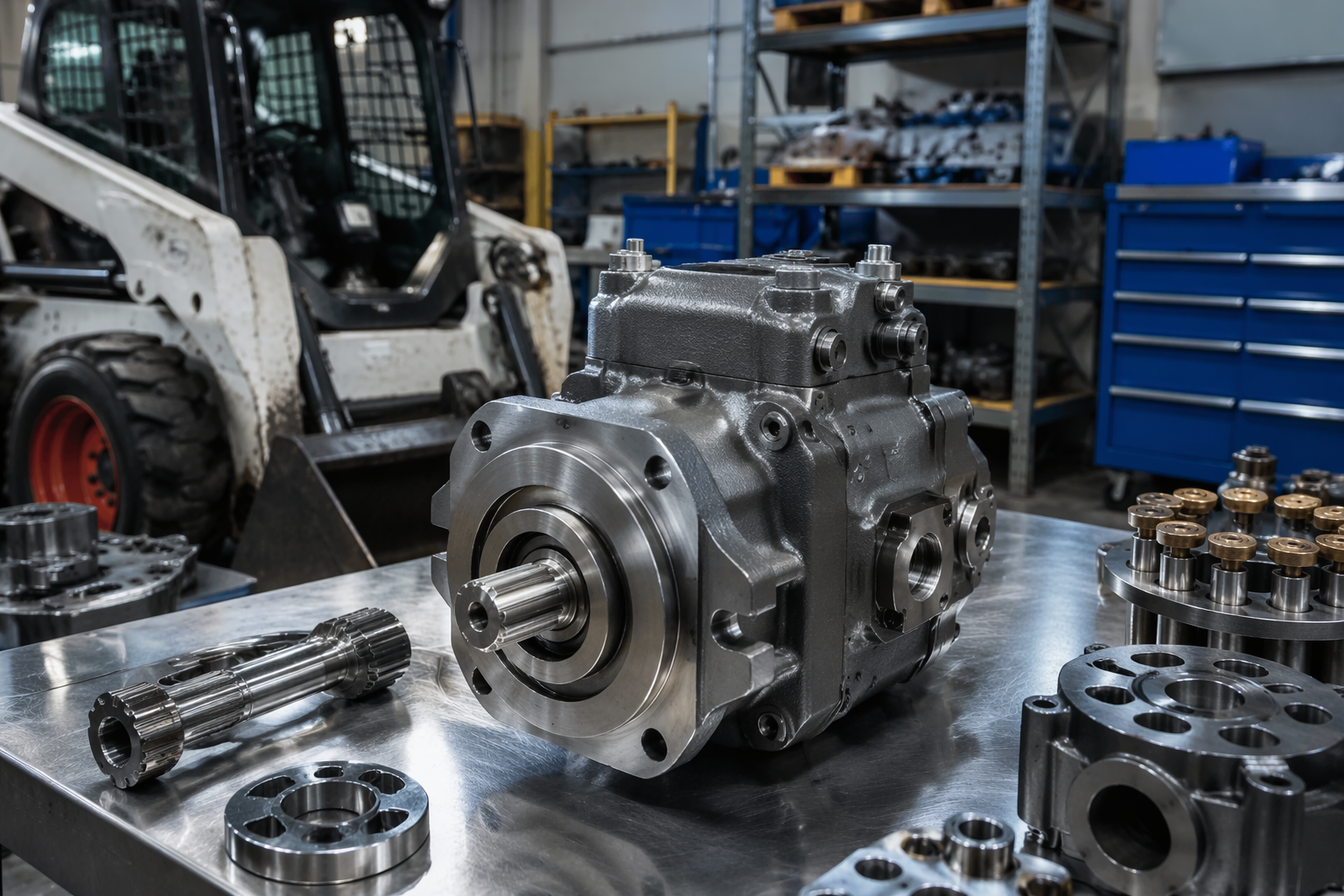
When buyers search for a new complete tractor hydraulic pump for bobcat 753 skid, they are often trying to solve one of three problems: confirmed pump failure, declining hydraulic performance, or uncertainty around compatibility. The Bobcat 753 skid steer relies on a hydraulic system that must maintain sufficient pressure and flow to support lifting, tilting, and attachment operation. In hydraulic engineering terms, pump selection must match system requirements for PSI and GPM, while also ensuring compatibility with the machine’s valves, motors, hoses, reservoir configuration, and actuator loads.
According to NFPA (National Fluid Power Association), fluid power systems can lose significant efficiency when contamination, improper filtration, or incorrect fluid viscosity is present. That is why pump failure is not always caused by the pump itself. One of the most common causes of hydraulic pump failure is fluid contamination, followed by cavitation, aeration, overpressure, and poor maintenance practices. According to ISO cleanliness guidance used throughout hydraulic industries, particulate contamination is among the leading causes of premature component wear in pumps and valves.
As Erik R. Sundberg, fluid power applications specialist, states: “A hydraulic pump rarely fails in isolation; in most cases, system contamination or inlet conditions are part of the root cause.” That insight is especially relevant for Bobcat and tractor owners replacing a pump after symptoms such as whining noise, sluggish boom lift, low breakout force, overheating fluid, or erratic steering. If the replacement is installed without checking suction lines, filters, and relief valve settings, the same issue may return.
According to SAE International technical guidance used in mobile hydraulics, pressure spikes and thermal stress can dramatically shorten component life when system design or maintenance practices are inconsistent. In a skid steer application, recurring shock loads, high cycle counts, and aggressive operator habits amplify these risks. Buyers evaluating pumps should therefore look beyond basic compatibility and examine details such as displacement accuracy, internal leakage control, shaft hardness, seal material, and casting integrity.
Industry buyers also want to understand common operating benchmarks. While exact specifications vary by serial range and configuration, skid steer hydraulic systems commonly operate in pressure ranges that can exceed 2,500 PSI, with auxiliary or implement flow often measured in multiple GPM. If a pump cannot sustain the required operating envelope under actual working temperatures, machine productivity drops. That drop may first appear as slower bucket curl, weaker lifting, delayed travel response, or abnormal noise from the hydraulic circuit.
As James Kovacevic, maintenance reliability expert, states: “The earliest warning signs of hydraulic trouble are usually subtle—heat, noise, and slower cycle times appear before catastrophic failure.” This aligns with field experience in Bobcat 753 hydraulic pump replacement projects. A machine may still operate, but the operator starts noticing inconsistent response, especially when lifting under load or switching attachments.
According to Markets and Markets, predictive maintenance technologies can reduce maintenance costs by 20% to 25% in industrial settings, and the same mindset applies to compact equipment. Monitoring pressure, fluid condition, filter health, and pump noise before total failure can significantly reduce repair bills. For buyers seeking a reliable source, POOCCA offers support for custom hydraulic pumps, motors, valves, and cylinders, helping customers align replacement parts with actual application requirements rather than purchasing by part number alone.
In technical sourcing, certifications and compliance matter too. Products manufactured under ISO 9001 quality systems indicate process discipline and traceability. Depending on export region and application, buyers may also request CE marking and reference relevant API standards where applicable to industrial supply-chain expectations. For dealers or bulk buyers, these quality indicators can be as important as the price itself.
3. Industry Standards and Compliance: ISO, SAE, NFPA, and Quality Benchmarks
For any buyer comparing a bobcat 753 hydraulic pump, industry standards provide a more objective benchmark than marketing claims alone. Standards do not guarantee performance by themselves, but they help separate serious manufacturers from opportunistic resellers. Three especially important references in hydraulic component sourcing are ISO, SAE International, and NFPA.
ISO 9001 is among the most recognized quality management certifications in industrial manufacturing. It focuses on process control, documentation, corrective action, traceability, and continuous improvement. For hydraulic pumps, that means better consistency in machining, assembly, testing, and inspection. A Bobcat 753 pump built under disciplined quality systems is more likely to deliver repeatable fit and stable hydraulic performance over time.
According to ISO, organizations implementing structured quality management systems improve consistency and customer satisfaction through documented processes and corrective controls. In practical procurement terms, that reduces the risk of receiving pumps with variable tolerances, inconsistent finishing, or assembly defects. For international buyers and distributors, ISO 9001 compliance also simplifies supplier evaluation.
SAE International standards are deeply relevant in mobile hydraulics because they cover connectors, dimensions, performance references, and best practices used in construction and agricultural equipment. For skid steer loaders, SAE-aligned design thinking helps ensure that hoses, ports, fittings, and pressure-related expectations fit within recognized engineering frameworks. This becomes particularly important when replacing older pumps or integrating aftermarket parts into machines that have seen years of service.
NFPA, as a leading U.S. fluid power trade association, provides resources and data that support proper hydraulic system design, maintenance, and diagnostics. NFPA consistently emphasizes that system-level thinking is essential. A new pump alone does not solve issues caused by contaminated fluid, worn cylinders, sticking valves, damaged couplings, or weak hydraulic motors. This is why professional replacement planning should include inspection of the surrounding hydraulic system.
Buyers should also ask about test procedures. Was the pump pressure-tested? Was flow verified? Were seals checked under thermal conditions? Was dimensional accuracy reviewed before shipment? These questions matter whether the source is an aftermarket brand, a dealer, or a factory-direct supplier. They are also where manufacturers such as POOCCA can provide value through technical communication, custom solutions, and production consistency.
For export or regional compliance, CE marking may be relevant where product categories and machinery integration require conformity expectations in European markets. While not every replacement pump falls under the same scope, many B2B buyers still request CE-related documentation as part of supplier qualification. Similarly, certain industrial procurement frameworks may ask whether the supplier is familiar with API standards or broader industrial documentation practices, especially when serving multinational customers.
In short, standards matter because they reduce risk. They help buyers move beyond broad claims like “OEM spec” and instead evaluate whether a pump supplier has the manufacturing systems, technical controls, and documentation discipline required for dependable hydraulic performance.
4. Implementation Guide: How to Evaluate, Replace, and Source the Right Pump
If you are planning a Bobcat 753 hydraulic pump replacement, a structured implementation process can save both time and money. Start by confirming the correct part references and machine configuration. Common replacement numbers associated with these applications include 6667723, 6669385, and 6650678, but serial breaks, system variations, and prior repairs can affect compatibility. Always verify against the machine plate, service documentation, and actual pump dimensions.
Next, diagnose the failure mode before ordering. If the machine has low hydraulic pressure, test system pressure with calibrated gauges and compare the readings against manufacturer recommendations. Also inspect the inlet line, reservoir condition, filters, and case drain behavior if applicable. Many operators ask, “How do I tell if my hydraulic pump is bad?” Typical indicators include whining or grinding noise, foaming fluid, excessive heat, inconsistent cylinder movement, weak attachment power, and inability to maintain system pressure under load.
According to NFPA industry education materials, contamination control and proper maintenance can significantly extend hydraulic component life. That means every pump replacement should include fluid inspection and usually a filter change. In more severe failures, flushing lines and inspecting relief valves may also be necessary. Installing a new pump into a contaminated circuit is one of the fastest ways to shorten service life.
From a purchasing standpoint, compare not only bobcat 753 hydraulic pump price, but also warranty, testing, shipping lead time, and support responsiveness. The competitor model emphasizes same-day fulfillment and conversion-driven pricing, which is effective for urgent buyers. However, B2B purchasers often benefit more from a source that can supply technical documents, discuss custom configurations, and support repeat procurement. This is particularly true for service centers, equipment traders, and regional parts distributors.
According to Statista, buyers increasingly expect faster delivery and stronger after-sales support across industrial e-commerce categories. That trend supports a sourcing model where suppliers combine digital responsiveness with factory-level technical capability. POOCCA addresses this need through factory-direct pricing, flexible MOQ arrangements, and support across pumps, motors, valves, and hydraulic cylinders, making it suitable for both one-off replacement demand and wholesale sourcing programs.
Practical implementation checklist:
1. Confirm part number and fitment.
2. Check pressure, flow, and failure symptoms.
3. Inspect fluid cleanliness, filters, and inlet conditions.
4. Evaluate mating components such as valves, motors, and cylinders.
5. Compare supplier quality systems, including ISO 9001 alignment.
6. Review warranty, lead time, and documentation support.
7. Perform careful startup with air bleeding and leak inspection.
8. Recheck pressure and temperature after installation.
Following these steps improves the odds that the replacement pump restores full skid steer performance rather than becoming a short-lived fix.
5. Future Outlook: Smarter Replacement Decisions in a Growing Hydraulic Market
The future of the replacement hydraulics market is moving toward higher transparency, better diagnostics, and more technically informed purchasing. According to Grand View Research, continued demand from construction, agriculture, and industrial equipment will support long-term hydraulic component growth, even as electrification and smart controls evolve. That is good news for owners of legacy machines such as the Bobcat 753, because it means replacement support should remain active for years to come.
According to Markets and Markets, increased adoption of predictive maintenance and connected equipment strategies is changing how buyers approach replacement cycles. Instead of waiting for catastrophic pump failure, more fleet managers are monitoring cycle performance, heat patterns, and pressure stability to plan service proactively. For a Bobcat skid steer owner, that can mean fewer jobsite breakdowns and better control over repair timing.
The strongest suppliers in this environment will be those that combine compatibility knowledge, manufacturing quality, documentation, and responsive support. Buyers looking beyond one-time transactions should prioritize suppliers that understand the full hydraulic ecosystem—not just the sale of a single pump. If you are evaluating sourcing options for Bobcat, tractor, or other mobile hydraulic applications, a factory-capable partner can often deliver better long-term value than a listing-only reseller. For buyers who need custom support, dependable quality processes, or scalable procurement, contacting POOCCA is a practical next step.
Frequently Asked Questions
How much is a 753 Bobcat worth?
The value of a Bobcat 753 depends on year, hours, tire condition, engine health, hydraulic performance, and whether major components such as the hydraulic pump or hydrostatic system have been rebuilt. In many used equipment markets, older skid steer loaders can range from a few thousand dollars to well over USD 15,000 depending on condition and attachments. According to IBISWorld, strong repair and maintenance demand in construction equipment reflects the reality that many buyers prefer maintaining older assets rather than replacing them outright. That supports resale values for machines with documented service history. If a 753 has a recently replaced bobcat 753 hydraulic pump, stable operating pressure, and no major leaks in cylinders or valves, it will typically command a stronger resale price. Buyers should inspect cold start behavior, loader arm response, drive smoothness, auxiliary hydraulic function, and visible pump noise. A machine with poor hydraulic response may need significant repairs, reducing market value quickly. For the most accurate estimate, compare local listings, auction results, and dealer trade values while factoring in the cost of a potential hydraulic pump replacement.
What is the most common cause of hydraulic pump failure?
The most common cause of hydraulic pump failure is fluid contamination. According to NFPA educational resources, contamination is one of the leading causes of wear in hydraulic systems because abrasive particles damage internal surfaces, increase leakage, and reduce volumetric efficiency. In a Bobcat 753 or similar skid steer, contaminated oil can affect not only the pump but also valves, motors, and cylinders. Other frequent causes include cavitation from restricted inlet flow, aeration from air leaks, overheating, incorrect fluid viscosity, and repeated overpressure events. Many owners replace the pump without solving the root issue, which is why the new component fails early. Warning signs include whining noise, metal debris in filters, foamy fluid, slow lifting, and weak attachment operation. According to SAE International guidance used in mobile hydraulics, maintaining proper inlet conditions and operating within design limits is essential for pump longevity. During replacement, inspect the reservoir, suction hose, filter housing, pressure relief settings, and system cleanliness. A quality replacement pump helps, but the surrounding hydraulic system must also be corrected to avoid repeat failure.
What year was Bobcat 753 made?
The Bobcat 753 was produced across multiple years in the 1990s and early 2000s, depending on market and serial sequence. Because these machines remain common in farms, landscaping crews, and rental fleets, there is still active demand for Bobcat pumps, hydraulics, and related service parts. According to Statista, the global construction equipment market continues to maintain large active equipment populations, which fuels an extensive aftermarket for replacement components. When identifying the exact production year of a Bobcat 753, check the machine serial plate rather than relying only on appearance or seller descriptions. This is important because hydraulic pump compatibility may vary by configuration, prior service modifications, or serial-specific changes. Buyers searching for a new complete tractor hydraulic pump for bobcat 753 skid specs should always confirm part number references such as 6667723 against actual machine data. Knowing the production year can also help with service manual accuracy, pressure test values, and sourcing the correct pump, seals, and fittings. If the machine has been rebuilt, also inspect whether prior owners installed non-original hydraulic components that may alter fitment requirements.
How do I tell if a tractor hydraulic pump is bad?
A bad tractor or skid steer hydraulic pump usually shows a combination of performance and noise symptoms rather than a single obvious failure. Common signs include slow or jerky cylinder movement, difficulty lifting loads, abnormal whining or grinding, fluid overheating, pressure loss, and reduced implement response. According to Markets and Markets, predictive maintenance approaches can lower maintenance costs by 20% to 25%, which highlights the value of identifying these symptoms early. On a Bobcat 753, operators may first notice slower boom raise time, weak bucket tilt, poor auxiliary attachment performance, or inconsistent steering feel. To diagnose correctly, use a pressure gauge, inspect filters, check fluid condition, and verify there are no suction leaks introducing air into the system. Also inspect control valves and hydraulic motors, because poor performance can originate elsewhere in the circuit. A true pump issue often appears as inability to maintain pressure under load or excessive internal leakage. If the machine runs hot and feels weak at the same time, pump wear becomes more likely. Before ordering replacement Bobcat pumps, confirm the root cause to avoid unnecessary parts cost and downtime.
What are typical new complete tractor hydraulic pump for Bobcat 753 skid specs and price considerations?
Typical buying criteria for a replacement bobcat 753 hydraulic pump include compatible part numbers, shaft and mounting dimensions, operating pressure capability, flow characteristics in GPM, seal quality, and material durability. Exact specifications vary by source and serial applicability, so buyers should verify technical drawings whenever possible. According to ISO-based quality expectations in industrial supply chains, dimensional consistency and traceability are essential for repeatable performance. Price considerations also vary widely depending on whether the pump is an aftermarket replacement, remanufactured unit, or OEM-branded component. Listings may emphasize sale pricing, stock availability, and warranty length, but buyers should also consider testing documentation, return policy, and technical support. A cheaper unit may have higher lifecycle cost if fitment is inconsistent or performance degrades quickly. For service shops and distributors, factory-direct sourcing can improve both margin and quality oversight. This is where manufacturers offering ISO 9001-aligned production, custom support, and flexible MOQ can create more value than standard retail listings. Always compare not only the price tag, but also freight, installation risk, warranty process, and expected operating life.
What should I know about Bobcat 753 hydraulic pump replacement, location, rebuild kits, and Bobcat 773 hydraulic pump replacement?
Bobcat 753 hydraulic pump replacement starts with identifying the pump location within the machine layout and confirming access procedures from the service manual. In many skid steer designs, the pump is integrated within a tightly packaged hydraulic and drive system, so removal may require careful handling of hoses, couplings, and surrounding components. Buyers also search for terms like Bobcat 753 hydraulic pump location, Bobcat 753 Hydrostatic Pump rebuild Kit, and Bobcat 773 hydraulic pump replacement because these machines share similar service challenges. According to Grand View Research, sustained hydraulic equipment demand is supporting ongoing aftermarket innovation in replacement parts and repair solutions. Rebuild kits can be cost-effective when housings and key hard parts remain serviceable, but full replacement is often preferable when there is severe scoring, metal contamination, or uncertain dimensional wear. During replacement, inspect the drive interface, inlet hose integrity, filter condition, and the rest of the hydraulic circuit. If the machine has a recurring pressure issue, test the relief valve and inspect valves and motors before restarting. For businesses handling multiple loader models, working with a supplier that supports both individual replacement and broader hydraulic product sourcing can simplify inventory planning and reduce downtime across the fleet.