 English
 Russian
 Arabic
 Indonesian
 Turkish
 Vietnamese
 Polish
 German
 Malay
Malay Thai
Thai Kazakh
 Spanish
 Chinese (Simplified)
 Korean
 Italian
 Azerbaijani
 Dutch
Dutch French
 Romanian
 Portuguese
 Hindi
HindiAccording to Grand View Research, the global hydraulic equipment market was valued at USD 45.6 billion in 2023, underscoring how critical accurate component identification has become for OEMs, maintenance teams, and industrial buyers. If you need help identifying a john s barnes hydraulic pump, you are not alone. In practice, misidentifying a pump can lead to mismatched shaft configurations, incorrect port sizes, pressure loss, overheating, and avoidable downtime. Whether you are replacing a worn unit, comparing a rebuild option, or searching for a cross-reference, the right process starts with the nameplate, performance data, and application context. This guide explains how to identify your John S Barnes hydraulic pump, what technical details matter most, how to compare gear pump configurations, and how buyers can move from uncertain part numbers to confident sourcing decisions.
1. Industry Context: Why Accurate Hydraulic Pump Identification Matters
In industrial fluid power systems, identification is more than reading a label. It is the process of matching a pump’s design, displacement, pressure capability, rotation, shaft type, mounting style, and port geometry to the machine’s real operating demands. That is especially important when dealing with legacy equipment, private-label assemblies, and older BARNES or JOHN pump references where manuals may be missing and rebuild history is unclear.
According to Markets and Markets, the hydraulic pump market is projected to reach USD 11.1 billion by 2028, growing at a 4.8% CAGR. That growth reflects continued demand across construction, agriculture, material handling, marine systems, dump trailers, mobile hydraulics, and industrial machinery. In all of these sectors, the cost of ordering the wrong replacement is not limited to the price of a part. It includes installation labor, delayed production, troubleshooting time, and potential damage to cylinders, valves, motors, and hoses caused by pressure or flow mismatch.
According to NFPA fluid power industry data, unplanned downtime in hydraulic systems remains a major cost driver for equipment operators, and identification errors are a frequent root cause in replacement projects. A pump that appears visually similar may still differ in key areas such as PSI rating, GPM output, spline count, pilot diameter, flange pattern, or inlet and outlet location. That is why buyers searching terms like “John S Barnes hydraulic pump identification,” “John S Barnes hydraulic pump cross reference,” or “John S Barnes corp hydraulic pump parts” often need a more structured framework than generic distributor descriptions provide.
A reliable sourcing partner can simplify that process. POOCCA supports buyers who need help identifying some Barnes pumps or finding functional alternatives through technical review, custom solutions, factory-direct pricing, and flexible MOQ options. For procurement teams balancing speed, budget, and compatibility, that kind of support can reduce uncertainty significantly. When a pump model is partially legible or the original unit has been modified, combining visual inspection with dimensional checks and system requirements is usually the fastest path to a correct replacement.
2. Technical Deep Dive: How to Identify Your John S Barnes Hydraulic Pump Correctly
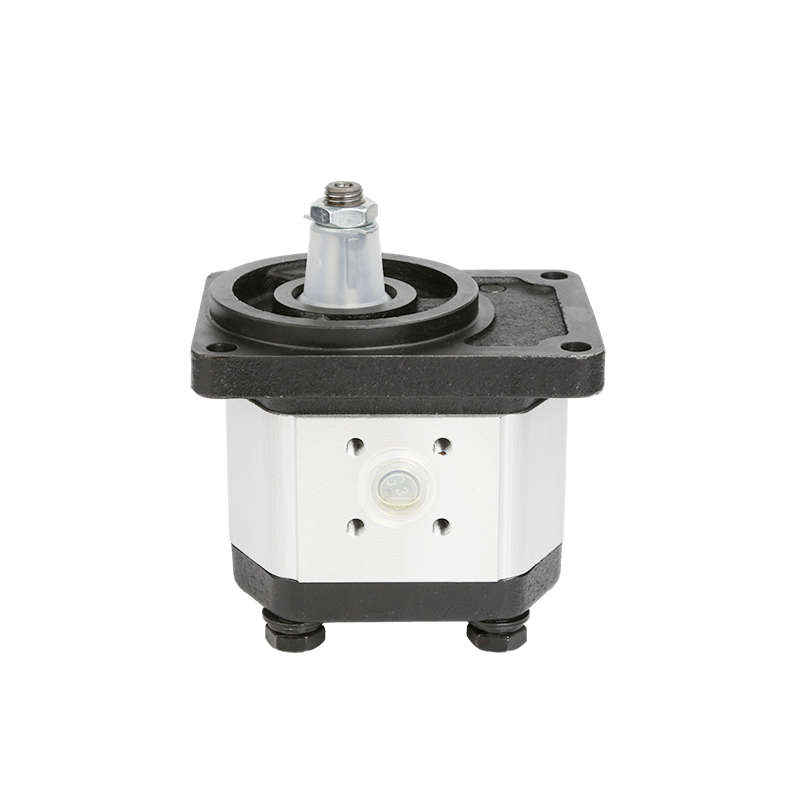
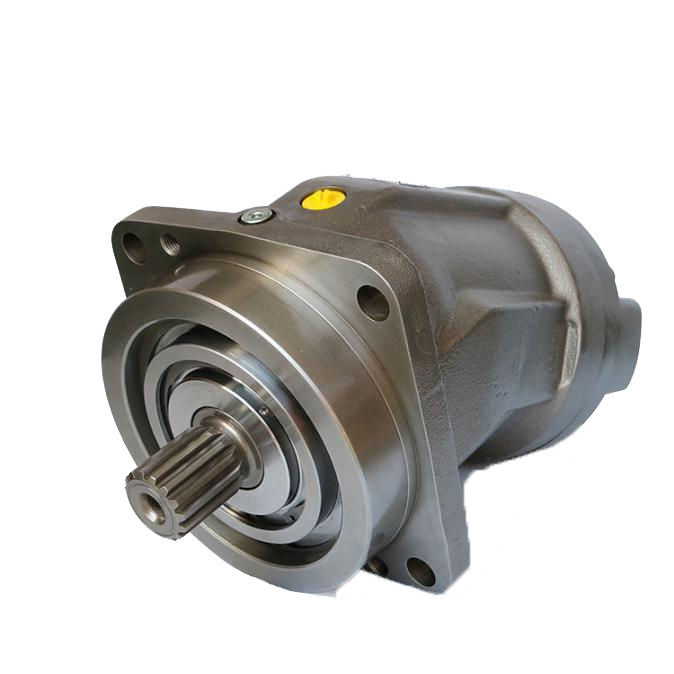
The most effective way to identify a john s barnes hydraulic pump is to work through five checkpoints: nameplate data, pump type, displacement and flow, mounting and shaft details, and operating limits. Many older units are external gear pumps, but confirmation matters because a gear pump should not be confused with vane or piston designs when sourcing replacements or rebuild kits.
Step 1: Check the nameplate or casting marks. Start with the model number, serial number, date code, and manufacturer markings. If the tag is damaged, inspect the housing, rear cover, and mounting flange for cast or stamped alphanumeric codes. These markings often reveal series information even when the full label is missing. Search terms such as John S Barnes corporation Statesville NC or John S Barnes Corporation are often used because many legacy pumps are tied to older documentation and regional manufacturing references.
Step 2: Confirm the pump type. For many replacement inquiries, the unit is a gear pump. External gear pumps are common in mobile hydraulic systems because they are compact, cost-effective, and reliable. According to IBISWorld, hydraulic equipment demand in maintenance-driven industries remains resilient because replacement cycles often depend on asset age rather than new machine purchases alone. That means many buyers today are identifying older pumps from existing machines rather than selecting from current OEM catalogs.
As James R. Fitch, CEO of Noria Corporation, states: “The root of hydraulic reliability is precision in component selection, contamination control, and operating discipline.” That principle applies directly here. If the identified pump’s displacement is wrong, the machine may run too slowly or too aggressively. If the rated pressure is too low, the pump may fail early; if the pressure setting is too high elsewhere in the system, seals, hoses, or valves can be overstressed.
Step 3: Match displacement, GPM, and PSI. Pump identification is incomplete without performance verification. Determine the application’s required flow in GPM and operating pressure in PSI. A dump trailer, lift gate, snow plow power unit, log splitter, or compact industrial system may use pumps that look similar but perform very differently. According to SAE International technical guidance, fluid power component selection should always align with rated pressure, rotational speed, and system flow requirements to maintain efficiency and service life. If you know motor RPM, pump displacement can be estimated from measured output, which helps when the model tag is unreadable.
Step 4: Inspect shaft, mount, and ports. Count splines if splined, measure diameter if keyed or straight, identify clockwise or counterclockwise rotation, and record the mount style. Port threads may be NPT, SAE straight thread, or other regional standards. One of the most common replacement mistakes is assuming port location alone determines compatibility. In reality, shaft length, pilot size, bolt spacing, and seal orientation are equally important.
According to Statista, the industrial machinery sector continues to invest heavily in maintenance and replacement parts, with aftersales demand forming a substantial share of lifecycle revenue in equipment markets. That trend explains why cross-reference and interchangeability requests are rising. As Erik Howell, fluid power specialist and trainer, states: “A hydraulic pump is never identified by appearance alone; dimensions, rotation, displacement, and pressure rating must agree before a replacement is considered safe.”
Step 5: Verify materials and application conditions. Housing material, seal type, fluid compatibility, and temperature range all matter. If the original pump ran in cold starts, dusty conditions, or long duty cycles, the replacement must account for that environment. This is also where experienced suppliers add value. POOCCA can assist buyers with custom solution matching when a direct legacy part number is unavailable, helping compare hydraulic pumps, valves, motors, and related system needs before purchase.
When people search “How do I tell which pump I have?” or “Need help identifying some Barnes pumps,” the practical answer is this: identify the pump by data, not by brand memory alone. The model number starts the process, but shaft style, mounting pattern, pressure rating, and displacement finish it.
3. Standards, Compliance, and Quality Benchmarks for Replacement Decisions
Once identification is complete, the next question is whether the replacement source meets recognized quality and compliance expectations. For industrial buyers, this is where standards matter. A replacement pump should not only fit the machine but also come from a manufacturer or supplier that operates with disciplined quality control and documented processes.
ISO 9001 is one of the most important benchmarks in this context because it reflects a structured quality management system. While ISO 9001 does not certify the hydraulic pump’s performance by itself, it signals that the manufacturer follows repeatable processes for design control, production, inspection, corrective action, and traceability. In practical procurement terms, that reduces risk when ordering a replacement for a john s barnes hydraulic pump or evaluating an alternative unit.
CE marking can also be relevant, particularly for equipment or assemblies entering certain international markets. CE-related conformity is not a universal requirement for every standalone hydraulic component in every region, but buyers should verify where it applies to their machinery, power units, or integrated systems. For oil and gas or specialized industrial applications, API standards may also influence specification and documentation expectations, especially when system integrity and safety review processes are strict.
SAE International standards remain highly relevant for ports, mounting conventions, test parameters, and mobile hydraulic design practices. Similarly, NFPA provides guidance and industry frameworks that influence fluid power safety, performance expectations, and terminology in North American markets. These references help buyers compare like-for-like products instead of relying only on vendor descriptions.
According to ISO, quality management systems are intended to improve process consistency, customer confidence, and continual improvement across manufacturing environments. That matters when sourcing pumps, hydraulic cylinders, valves, and motors that must perform together under load. If one component is dimensionally inconsistent or poorly tested, the whole hydraulic circuit can suffer efficiency loss, internal leakage, heat rise, or premature wear.
For buyers managing legacy equipment, the safest route is often to request dimensional drawings, pressure ratings, material information, seal specifications, and test procedures before placing an order. POOCCA is relevant here because its positioning around ISO 9001-aligned quality processes, custom support, factory-direct pricing, and flexible MOQ can be useful for distributors, repair shops, and OEM replacement buyers who need both documentation and responsiveness. This is especially true when a listing such as John s barnes hydraulic pump 717 0936 appears in old inventory systems without enough application detail to confirm a purchase confidently.
4. Implementation Guide: A Practical Process for Identification, Cross-Reference, and Purchase
If you need help identifying your pump and moving toward a replacement order, use the following practical workflow.
1. Photograph everything. Capture the nameplate, shaft end, ports, mounting face, overall side view, and any cast numbers. Include a ruler or caliper in the photos for scale.
2. Record operating data. Note system pressure in PSI, expected flow in GPM, prime mover speed, hydraulic fluid type, and application details. If the machine drives hydraulic cylinders or motors with intermittent heavy load, mention duty cycle and ambient temperature.
3. Measure the critical dimensions. These include shaft diameter and length, keyway or spline details, pilot diameter, bolt pattern, and port thread size. Also note pump rotation.
4. Check for a rebuild versus replacement decision. If the housing and gear faces are heavily worn, replacement is often more economical than repeated repair. According to NFPA industry guidance, contamination and overheating are leading causes of hydraulic component degradation, so a failed pump should prompt inspection of filters, reservoir condition, and relief valve settings as well.
5. Ask for a cross-reference review. This is essential when the exact John S Barnes model is obsolete. A supplier should compare displacement, pressure capability, envelope dimensions, shaft style, and porting before recommending an interchange.
According to Markets and Markets, growing industrial automation and mobile equipment demand are increasing the need for faster replacement sourcing and reduced maintenance delays. In practical terms, that means suppliers who can review legacy photos and measurements quickly create measurable value. A plant that restores operation even one shift earlier can avoid far more cost than the pump price difference alone.
A good request for quotation should include the original model if known, the application, required PSI and GPM, photographs, dimensions, and whether you need a direct replacement, an upgraded equivalent, or a rebuild kit. This makes it easier to identify not only the pump but also compatible hoses, valves, motors, and cylinder demands in the circuit.
If you are comparing options, POOCCA can support inquiries with technical matching, custom solutions, and factory-direct pricing. That combination is useful for both one-off maintenance purchases and batch procurement where flexible MOQ matters. For distributors and repair shops, a responsive identification partner can shorten quote cycles and improve first-time order accuracy.
5. Future Outlook: Smarter Sourcing for Legacy and Replacement Hydraulic Pumps
The future of hydraulic component sourcing is moving toward faster digital identification, stronger documentation, and more precise cross-reference support for legacy products. According to Grand View Research, continued industrial investment in fluid power, automation, and heavy equipment maintenance will keep replacement demand steady over the next several years. At the same time, buyers are becoming less willing to accept incomplete listings or vague compatibility claims.
That is good news for procurement teams searching terms like “John S Barnes hydraulic pump distributors,” “John S Barnes hydraulic pump manual,” or “John S Barnes hydraulic pump rebuild kit.” The market is gradually shifting toward suppliers that can combine dimensional verification, standards awareness, and application-specific support instead of only listing generic brand references.
For companies maintaining older machines, the best long-term strategy is to document every installed pump now: model numbers, photos, dimensions, pressure settings, flow requirements, and service history. That internal database turns future emergencies into routine orders. It also makes it easier to compare whether a rebuild, direct replacement, or functional equivalent is the most cost-effective path.
If you need help identifying a john s barnes hydraulic pump or sourcing a compatible replacement with clear specifications, now is the time to work with a supplier that can support both technical review and commercial flexibility. The right pump is not just a part number match; it is a performance match, a reliability decision, and a downtime reduction strategy.
Frequently Asked Questions
How to identify hydraulic pump type?
Start by checking the nameplate, housing shape, shaft style, and port arrangement. In many mobile and compact industrial applications, a John S Barnes unit is an external gear pump, but you should still verify whether it is gear, vane, or piston before ordering parts. According to SAE International, component selection should be based on operating characteristics and interface geometry, not visual similarity alone. A gear pump usually has a compact body, fixed displacement design, and straightforward inlet/outlet layout. To identify the type accurately, record shaft diameter, keyway or spline details, mounting flange pattern, port thread style, and pump rotation. Then compare required system flow in GPM and pressure in PSI. If the machine uses hydraulic cylinders for lifting or clamping, note whether the cycle is intermittent or continuous, since that affects thermal load and wear. According to NFPA, contamination and incorrect specification are common causes of shortened hydraulic component life. If the tag is missing, photographs and dimensions often allow an experienced supplier to determine the pump family. This method is more reliable than guessing from brand names or old machine paperwork.
How do I tell which pump I have?
The best way is to combine nameplate data with physical measurement and application details. Look for a model number, serial number, or cast code on the housing, rear cover, or mounting flange. Then measure shaft diameter, shaft length, pilot diameter, bolt spacing, and port sizes. Confirm whether rotation is clockwise or counterclockwise from the shaft end. According to IBISWorld, replacement demand for hydraulic equipment is driven heavily by aging installed machinery, which means many buyers are identifying pumps from legacy systems without current manuals. That makes dimensions especially important. Next, compare your system’s required pressure and flow. A pump that looks right but delivers the wrong GPM or cannot handle the required PSI may cause slow performance, overheating, or premature failure. If the pump is part of a hydraulic power unit, record motor RPM and reservoir details as well. Suppliers can often cross-reference these details against older John S Barnes listings and modern equivalents. If you are unsure, submit clear photos and all measurements rather than ordering by appearance alone.
What is the serial number on a hydraulic pump?
The serial number is a unique production identifier assigned to a specific pump. It is often located on the pump’s nameplate and may appear alongside the model number, date code, and manufacturer information. The serial number helps manufacturers and suppliers trace production batches, design revisions, and sometimes seal or shaft variations within the same model family. According to ISO, traceability is an important part of quality management and supports more consistent maintenance and replacement decisions. In practical terms, the serial number can be helpful when you need to verify whether your john s barnes hydraulic pump has a certain mounting style or engineering revision. However, the serial number alone is usually not enough for replacement. You still need key technical information such as displacement, rated pressure in PSI, expected flow in GPM, shaft type, and port threads. On older or worn pumps, the serial number may be partially unreadable, so take photos under good lighting and inspect nearby cast markings too. If the serial number cannot be recovered, dimensional measurement and application review become the primary identification tools.
How do I tell what hydro gear I have?
People often use “hydro gear” loosely to refer to a hydraulic gear pump, but identifying the exact unit requires more than confirming it is gear-driven or gear-type. First, determine whether the component is a hydraulic gear pump or a hydrostatic drive component from a different product family. Then inspect model markings, shaft details, mounting flange, and port configuration. According to Statista, aftersales service and parts account for a significant portion of industrial equipment lifecycle spending, which is why accurate identification has become increasingly important for maintenance teams. If the component is a gear pump, estimate displacement from output and RPM when possible. Check whether the body is a single-stage design or a multi-section assembly. Record maximum operating pressure, since many gear pumps in mobile applications work in different ranges and are not universally interchangeable. Also verify seal compatibility and housing material if the machine operates in harsh temperatures or continuous-duty cycles. A pump driving hydraulic motors or cylinders in a demanding environment may need stricter confirmation than a light intermittent-use unit. When in doubt, ask for a technical cross-reference review based on dimensions and operating data.
What should I know about John S Barnes Corporation, Statesville NC, and older pump references?
Searches for John S Barnes Corporation or John S Barnes corporation Statesville NC typically come from buyers trying to trace legacy manufacturing information, historical part numbers, or older documentation connected to installed equipment. This is common in replacement projects where the original machine is still operating but the paperwork is incomplete. According to Grand View Research, large installed bases of hydraulic equipment continue to create strong replacement-part demand, especially where equipment remains in service for many years. For older John S Barnes references, the most important step is not the corporate history alone but the technical verification of what is on the machine today. Over time, pumps may have been rebuilt, modified, or replaced with near-equivalents. That means an old invoice or machine manual may not reflect the current installed unit exactly. If you are trying to source a replacement, use the legacy reference as a clue, then confirm dimensions, shaft type, mounting pattern, porting, pressure, and flow. This approach is much more dependable than relying solely on a historical brand entry in a maintenance record.
How do I identify a John s barnes hydraulic pump 717 0936 or similar part number?
For a reference like John s barnes hydraulic pump 717 0936, begin by treating the number as a lead rather than a final confirmation. Older numbering systems may vary by distributor, assembly, revision, or machine builder, and part labels can degrade over time. According to Markets and Markets, rising demand for industrial replacement efficiency is pushing buyers toward more data-driven sourcing processes, especially for legacy hydraulic components. The safest method is to pair the suspected number with physical verification: measure shaft diameter and length, identify keyway or spline details, record mounting flange dimensions, check port thread type, and confirm required operating pressure and flow. If the application uses a specific motor RPM, that helps estimate displacement and compare alternatives. Also inspect the pump body for any additional cast or stamped marks that may indicate a series or housing family. A qualified supplier can then compare your data against known interchange dimensions and performance ranges. This is particularly important when searching for rebuild kits, manuals, or cross references, because the same broad family may include multiple close variants that are not fully interchangeable.