 English
 Russian
 Arabic
 Indonesian
 Turkish
 Vietnamese
 Polish
 German
 Malay
Malay Thai
Thai Kazakh
 Spanish
 Chinese (Simplified)
 Korean
 Italian
 Azerbaijani
 Dutch
Dutch French
 Romanian
 Portuguese
 Hindi
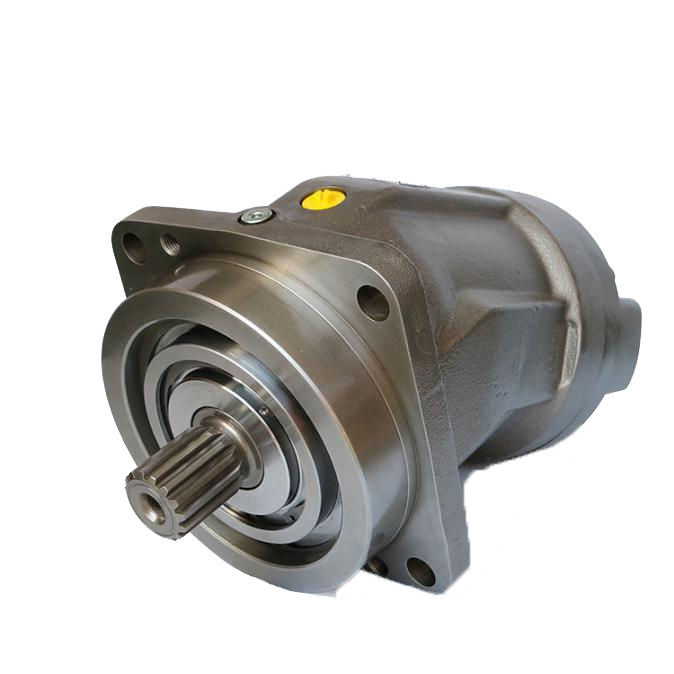
HindiThe hydraulic pump forms the core of hydraulic systems in heavy machinery, transforming mechanical energy from the engine into hydraulic energy via fluid flow. This process powers excavators in lifting tons of material and enables bulldozers to displace large earth volumes. The pump generates flow rather than pressure directly; pressure develops from resistance to that flow, such as loads on cylinders or motors.
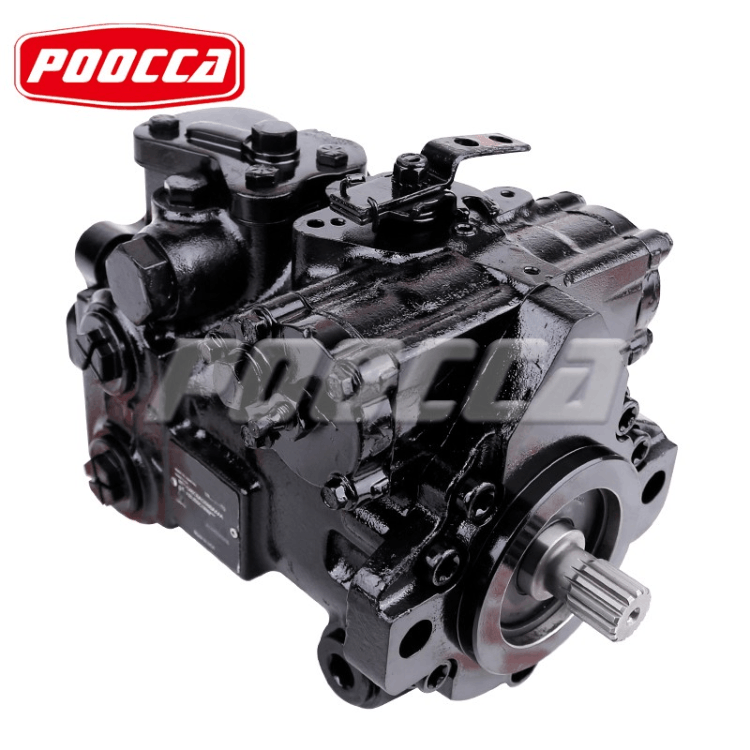
What is a Hydraulic Pump?
A hydraulic pump works as a mechanical tool. It turns spinning input from an engine or motor into hydraulic power. This occurs through steady fluid pushing. It makes flow. Pressure shows up only when fluid hits a block, like a loaded cylinder piston. Without this flow making, the hydraulic loop stays still. It just has pipes, tanks, and fluid.
How Does a Hydraulic Pump Work?
The main idea uses changes in inner space to make suction and push-out.
- Inlet phase: Turning parts grow rooms. This creates a vacuum. The vacuum pulls hydraulic oil from the tank into the pump through suction pipes. Atmospheric pressure drives this.
- Outlet phase: The turning goes on. It shrinks rooms. This pushes fluid out the output port into the system.
In a common use, like a wheel loader:
- Engine turning moves the pump shaft.
- Fluid comes from the tank.
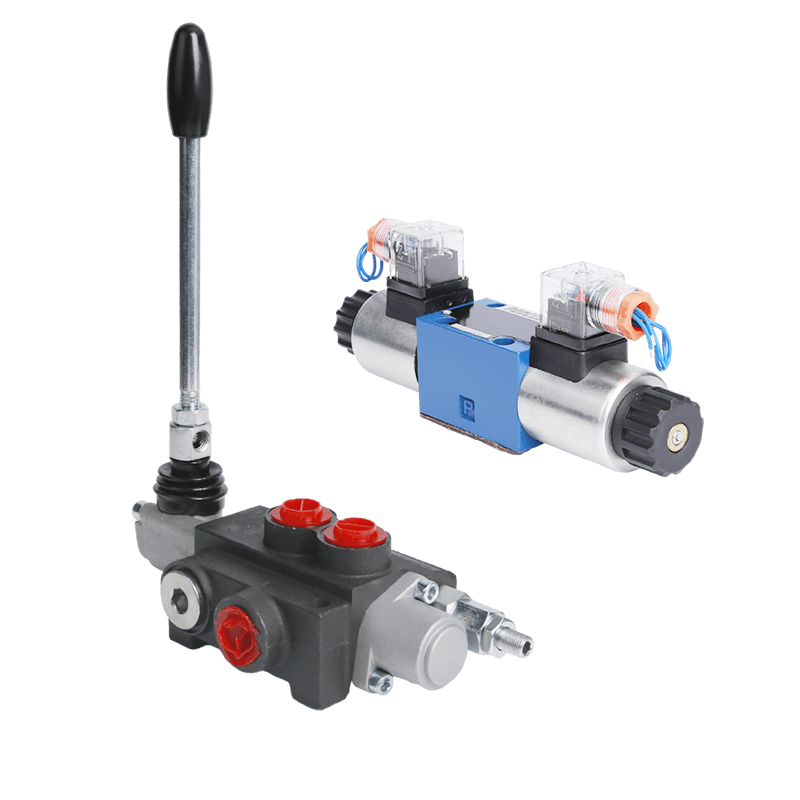
- Output flow, such as in gallons per minute, gets to the control valve.
- Valve action sends fluid to movers, like lift cylinders.
- Load block slows movement. This raises pressure, in PSI or bar, to beat it.
Flow starts from the pump. Pressure comes from load.
Fixed vs. Variable Displacement Hydraulic Pumps
Hydraulic pumps split into fixed and variable displacement groups. These affect how well heavy machines perform.
Fixed Displacement Pumps
These give the same amount per turn. This stays the same no matter the system pressure. Flow changes only with input speed shifts, like engine RPM.
- Good points cover ease, lower price, and strength in dirty spots.
- Bad points include waste under changing loads. Extra flow goes through relief valves. This makes heat and loses power.
Fixed displacement types fit uses with steady needs. Examples include helper loops or mid-duty loaders.
Variable Displacement Pumps
These change output amount while running. They often use swashplate tilt in piston kinds or like setups.
- Flow fits need exactly. This cuts power loss and boosts fuel savings.
- Good points include better handling, less heat make, and fit for changing loads.
Variable displacement does well in main loops of excavators and dozers. Operators need quick power there. They do not want steady high flow.
Types of Hydraulic Pumps in Heavy Equipment
Positive displacement pumps lead. They give set fluid per round. Gear, vane, and piston types top in building uses.
Gear Pumps
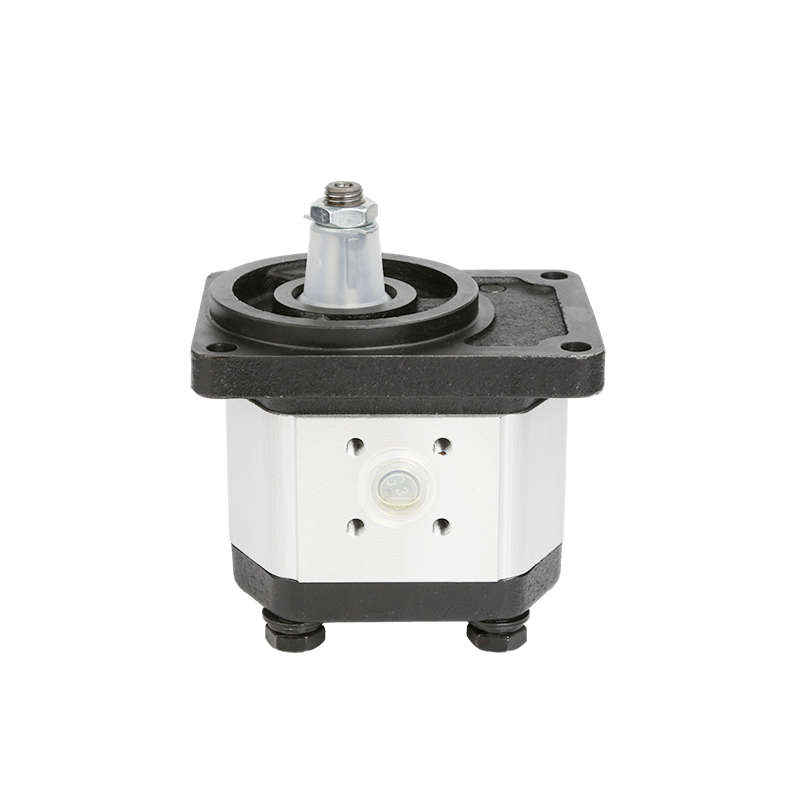
Gear pumps catch fluid between fitting gears and the case. They move it from inlet to outlet.
- External Gear Pumps: Two same gears fit outside each other.
- Internal Gear Pumps (Gerotors): Inner rotor has fewer teeth. It makes growing and shrinking spaces.
Gear pumps bring lasting build, dirt handling, and low price. They manage helper jobs, steering, or pilot loops in heavy gear like dump trucks and forklifts.
Vane Pumps
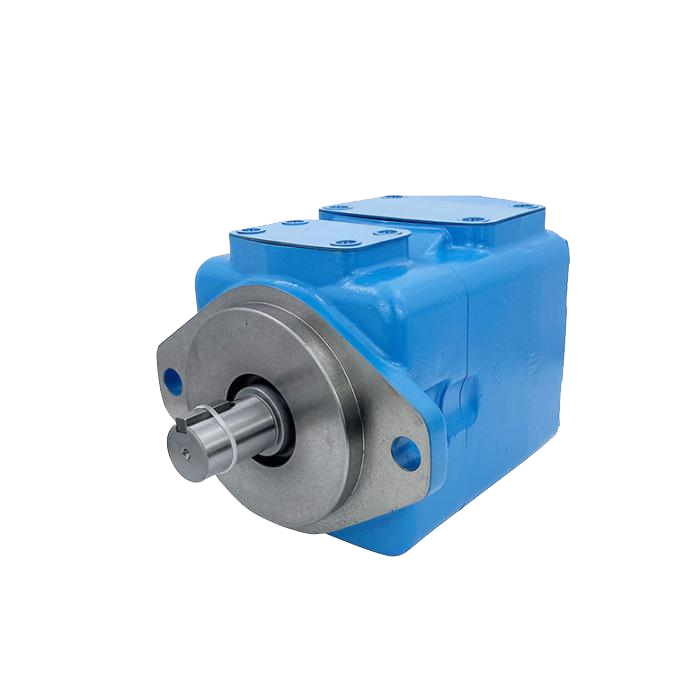
A rotor with sliding vanes turns in an off-center room. It keeps touch with walls through spin force or pressure.
- Inlet: Vanes stretch out. This grows space for pull-in.
- Outlet: Vanes pull back. This shrinks space to push out fluid.
Vane pumps give even, quiet work and mid-pressure savings. They come in fixed or variable forms. They suit uses that need even work, like in loaders or cranes.
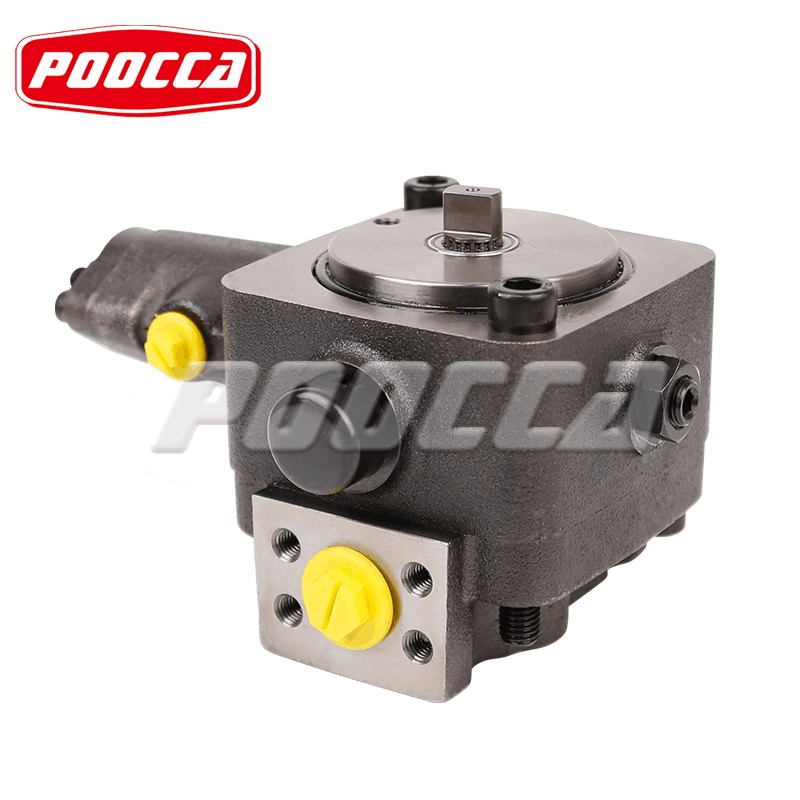
Piston Pumps
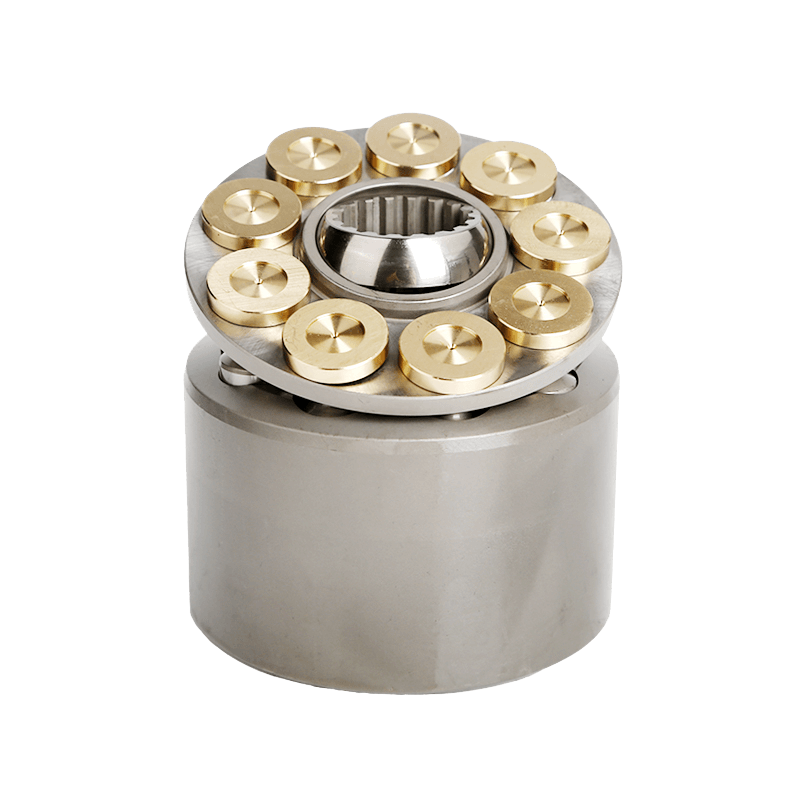
Piston pumps use back-and-forth pistons in a turning cylinder block.
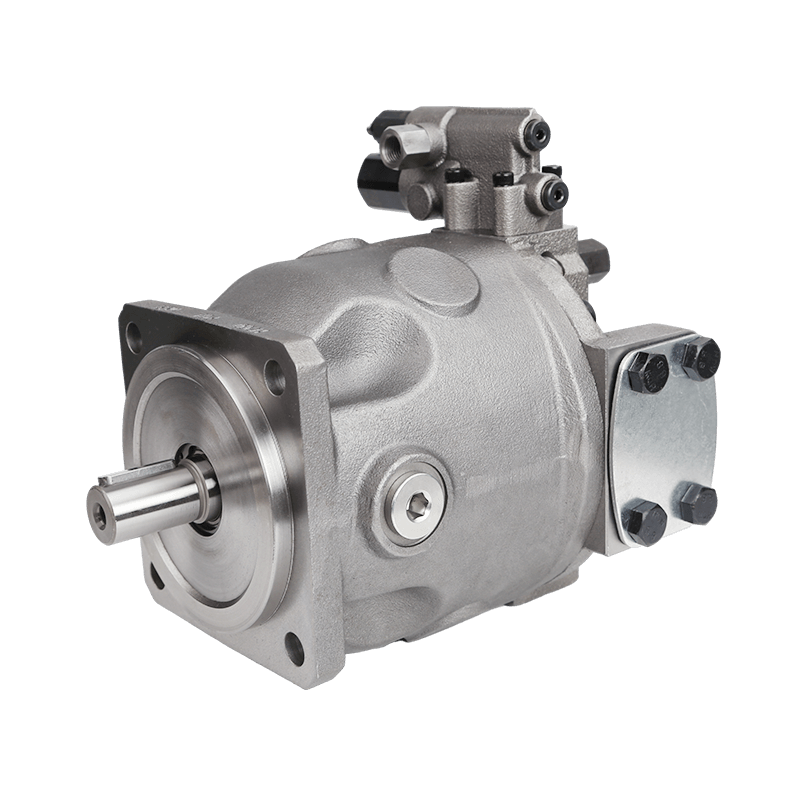
- Axial Piston Pumps: These are common in heavy gear. Pistons line up even with the drive shaft. A swashplate or bent-axis setup drives the back-and-forth.
- How Axial Piston Pumps Operate in Excavators: The cylinder block turns with the shaft. Pistons track the tilted swashplate. This makes wave-like motion. Fluid goes in during stretch (pull-in). It goes out during pull-back (push-out). Variable displacement changes swashplate tilt for flow handling.
Piston pumps reach high pressures, over 400 bar. They show top savings, often 90-95% in volume. They lead main systems in excavators, dozers, and cranes. These back exact, high-power jobs.
Load Sensing Hydraulic Systems in Heavy Equipment
Load sensing boosts variable displacement pumps. It works well with axial piston types.
- The system spots the top load pressure. It uses signal pipes from movers.
- The pump handler changes displacement. It keeps a steady pressure drop over control valves. This gives only needed flow.
- Good points cover power savings, less heat, steady mover speed, and better handling. This holds even with many jobs at once.
Load sensing leads in new excavators, like Kawasaki K3V/K5V series. It also tops in dozers. This makes power share and savings better under changing spots.
Hydraulic Pump Configurations in Heavy Equipment
Machines mix pump types for even work.
- Excavator: Variable axial piston main pump, often two for swing/travel jobs. Gear pump for pilot/low-pressure handling. Load sensing runs joined flows.
- Dozer: Variable piston main for blade/ripper. Gear helper. Load sensing matches output to need.
- Wheel Loader: Fixed gear pump main for steady work in mid jobs. Some use variable in high models.
- Crane: Variable piston for high-pressure lift. Gear for pilot.
These plans make pressure, flow, and lasting build better.
Advantages and Considerations of Each Pump Type
- Gear: High dirt handling, low price, but lower savings, about 80-85%. It limits high-pressure use.
- Vane: Quiet, good savings at mid pressures, about 85-90%. It feels dirt more.
- Piston: Top savings, 90-95%. It handles top pressure. It gives variable handling. But it has more parts and higher price.
Piston pumps, mainly variable axial, give best full work in tough heavy gear. Gear and vane back helper jobs.
Summary
Hydraulic pumps make key fluid flow. Pressure comes from load blocks. Gear pumps bring steady work in helpers. Vane pumps match savings and sound. Piston pumps, mainly variable axial with load sensing, give high work for main jobs. Knowing these ideas and plans helps check systems well. It also aids use in building machines.
Frequently Asked Questions (FAQ)
What distinguishes fixed from variable displacement pumps in heavy equipment?
Fixed pumps give steady flow per turn. They fit even needs. Variable pumps change output to fit load. This boosts savings and handling.
Why do excavators predominantly use axial piston pumps?
Axial piston pumps give high pressure. They offer variable displacement. They bring exact handling. These matter for hard moves like digging and turning.
How does load sensing improve hydraulic system performance?
It spots load pressure. It changes pump flow to keep steady delta-P over valves. This makes power-saving, quick work.
In what scenarios are gear pumps preferred over piston pumps?
Gear pumps fit low- to mid-pressure helpers. They show strength, low price, and dirt handling.
What key factor influences hydraulic pump selection for construction machinery?
Needed pressure, flow change, savings, dirt fight, and fit with changing loads pick the best type.
Partner with a Trusted Hydraulic Pump Manufacturer and Supplier
For high-quality, compatible hydraulic pumps—gear, vane, and piston types—for heavy equipment, including equivalents to Rexroth, Kawasaki, Parker, and Yuken series, contact POOCCA as a leading manufacturer, supplier, and factory. POOCCA offers extensive variants, precise fitment, rapid delivery, and a 12-month warranty. Inquire at sales@kamchau.com or +86 18927498997 for tailored solutions to sustain optimal machinery performance.