
 English
 Russian
 Arabic
 Indonesian
 Turkish
 Vietnamese
 Polish
 German
 Malay
Malay Thai
Thai Kazakh
 Spanish
 Chinese (Simplified)
 Korean
 Italian
 Azerbaijani
 Dutch
Dutch French
 Romanian
 Portuguese
 Hindi
HindiHydraulic pumps are used in a multitude of applications throughout various industries such as building, agriculture, industry, marine and road construction. They provide the necessary power to operate equipment and can be designed to deliver precise amounts of flow and pressure. Unfortunately, hydraulic pumps can fail which can lead to costly downtime, increased maintenance and loss of productivity. Developing a structured approach to diagnosing problems will help to identify and repair any faults quickly and efficiently in order to minimize disruption and extend the life of the equipment.
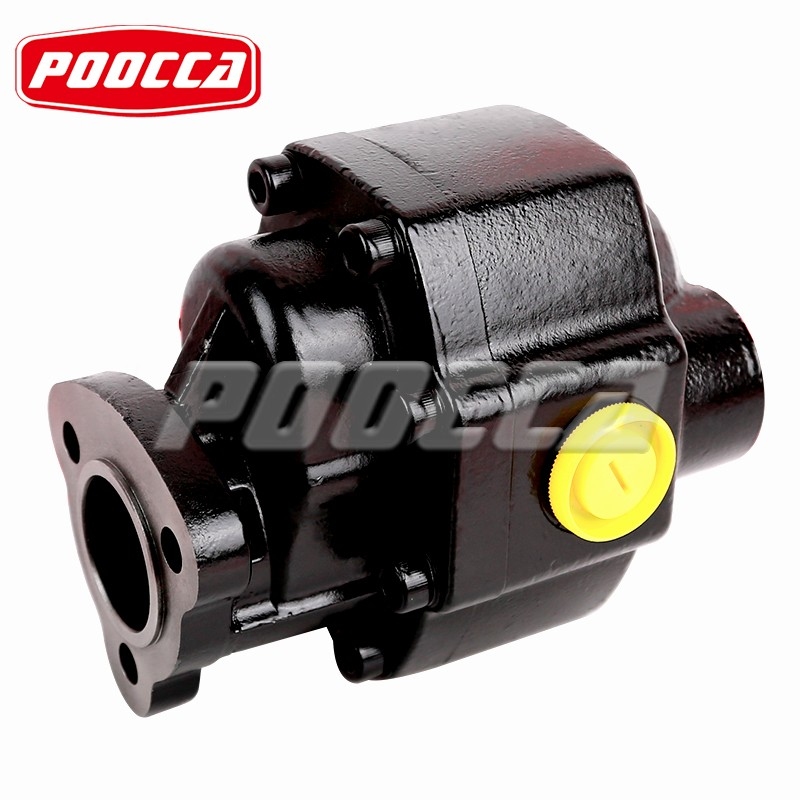 Common Symptoms of Hydraulic Pump Failures
Identifying early indicators of failure will allow for timely intervention of problems before they become a major problem.
Unusual Noises
Unusual sounds such as whining, grinding, knocking or cavitation are common indications of air in the system, low supply pressure and wear of gears, pistons and vanes. Cavitation produces a rattling sound and can cause damage to the surrounding surfaces over time as the vapor bubbles collapse.
Reduced Performance
Slow response, unable to hold load or reduced cycle time could be due to internal leakage, worn clearances or low volumetric efficiency. For variable displacement pumps, this could be due to faulty compensators or worn swash plate.
Overheating of the Hydraulic System
An increase in the operating temperature of the lubrication oil above the typical normal range (40 to 60°C) can be caused by excessive internal friction, low oil reservoir level, contaminated oil, and/or restricted oil flow. Increased temperature accelerates lubricant degradation and component wear.
Fluid Leaks
Leaks around the shaft seals, housing joints and ports on the outside of the gearboxes can indicate damage to the seals, cracked casing or incorrect installation. Leaks on the inside of the gearboxes have a negative effect on the efficiency but are not visible.
Erratic Operation
Inconsistencies in pressure fluctuations, surging, or even the movement of an actuator can be created by air entrainment, partially clogged strainers, or relief valve that is not operating consistently, against the pump that is creating the pressure.
Pressure Loss
Loss of system pressure – could be cause of worn pump elements, slippage or even bypassing of air. It is then a case of trying to diagnose whether problem is with the pump or with leaks from downstream valves or cylinder. More systematic testing would be required.
Types of Hydraulic Pumps and Their Common Failure Modes
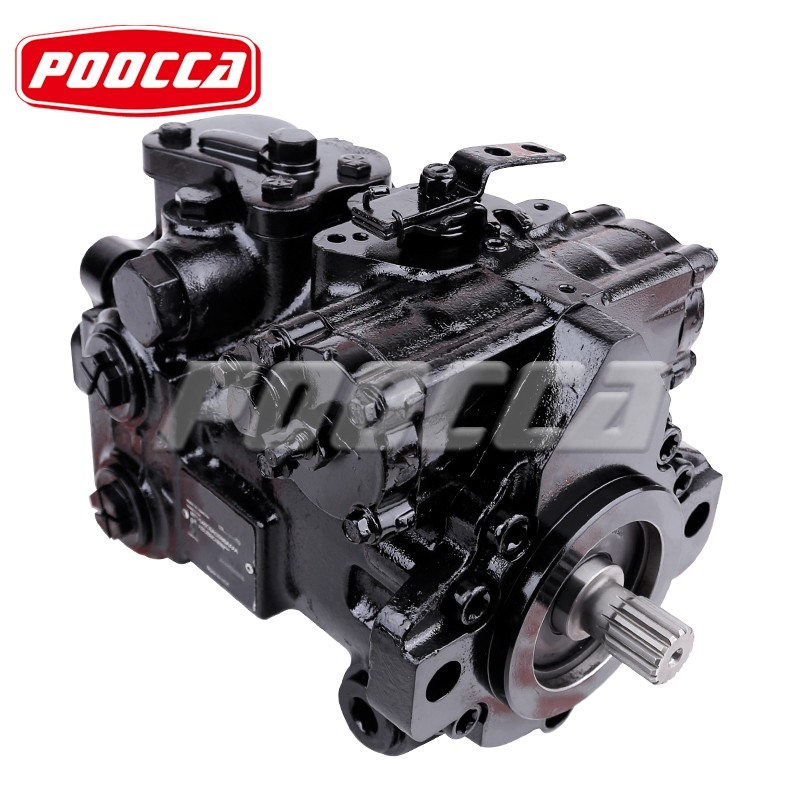 We understand the weaknesses of a pump, and we get a more precise diagnosis of that pump.
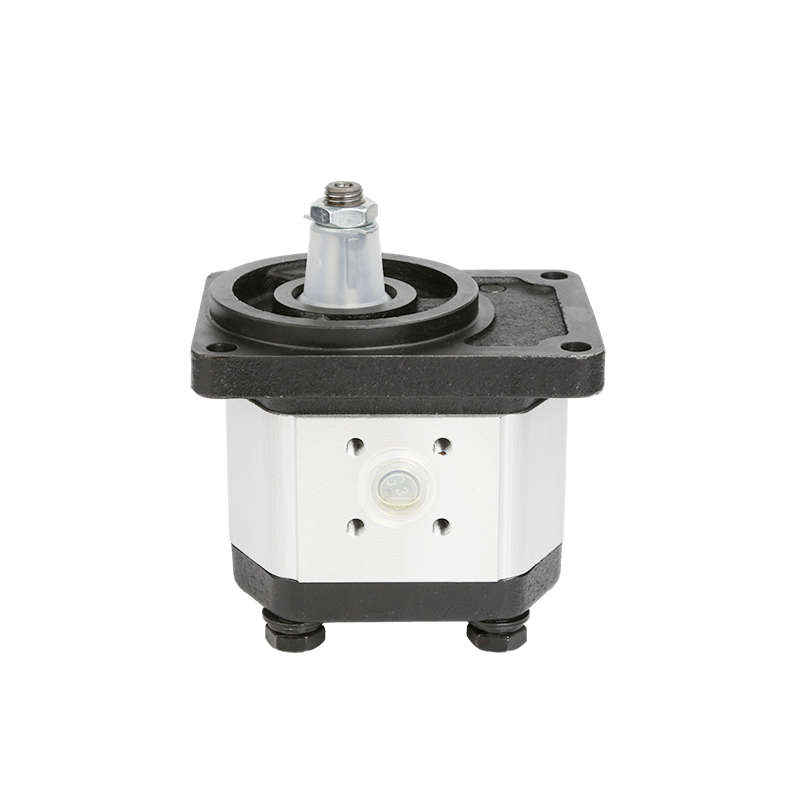
Gear Pumps
External and internal gear pumps are simple and durable, however, gear teeth, side plates and bearings can wear as a result of contamination or overloading. These pumps suffer from a progressive loss in efficiency and noise as a result of backlash.
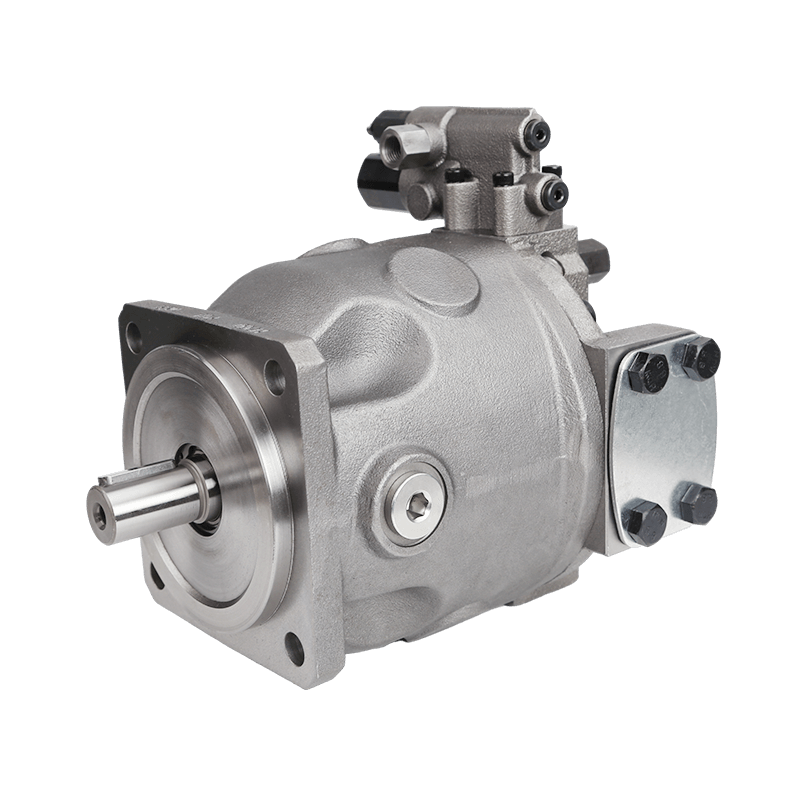
Piston Pumps
High pressure designs are typically axial or radial piston but very sensitive to contamination. Typical failures include scored pistons, worn slippers, damaged swash plates, or failed retaining plates in axial type pumps.
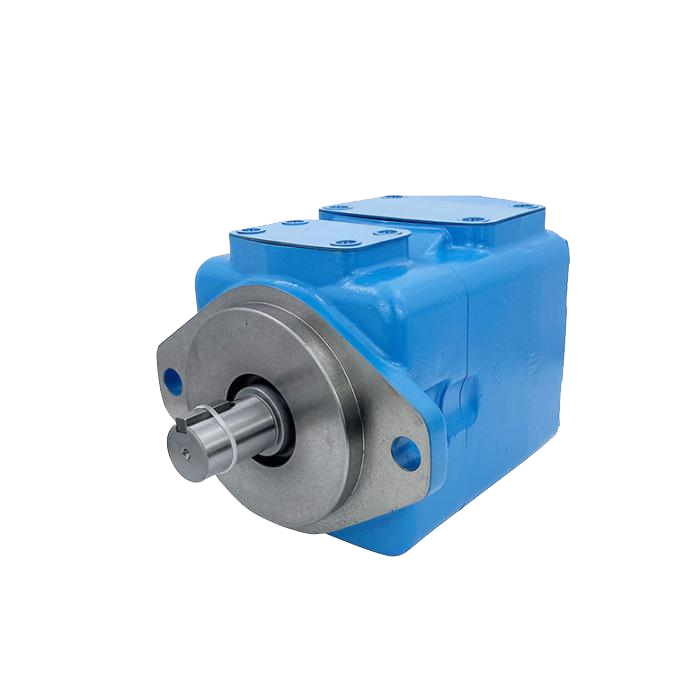
Vane Pumps
Although Vane Pumps provide a smooth and uniform flow, they do develop vane tip wear, cam ring scoring and rotor wear problems particularly at high speed and in low lubricity applications.
A Step-by-Step Diagnostic Process
A methodical sequence isolates the root cause efficiently.
Step 1: Verify the Operating Environment
Verify that the system is operating within the manufacturers recommended limits for temperature, viscosity and pressure. Inspect the fluid for deterioration and verify the reservoir is filled to recommended level. Also verify ambient conditions for excessive amounts of dust and heat.
Step 2: Inspect the Hydraulic Fluid
Look for signs of discoloration, milky appearance, metal particles (wear) or sludge in the fluid. Particle count or lab analysis of the samples can also be done. Contaminated fluid is one of the leading causes of pump failure.
Step 3: Listen for Abnormal Sounds
Run the system under load and use a mechanic’s stethoscope or acoustic tools to pinpoint noise sources. Differentiate between cavitation (high-pitched whine at inlet), mechanical knocking (worn bearings or gears), and aeration.
Step 4: Check System Pressure
Install pressure gauges at the pump outlet and critical points. Compare readings against specifications for no-load and full-load conditions. Use a flow-pressure test to assess performance curves.
Step 5: Inspect External Components
Examine hoses, pipe fittings, shaft seals and mounting hardware for signs of damage, looseness or misalignment. Check the inlet strainers and filters for blockage which can cause starvation.
Step 6: Perform a Flow Test
Measure actual output flow against theoretical values at various pressures. Significant discrepancies indicate internal wear or slippage. Portable hydraulic testers simplify this process in field conditions.
Step 7: Check for Overheating
Monitor the pump, reservoir and hoses for hot spots using infrared thermography. Check the temperature increase against the required operating load, against the required fluid properties and against the design of the cooling system.
Step 8: Inspect Internal Components
When external analysis is not able to come to a conclusion as to the root cause of failure, it is recommended to disassemble the pump in a controlled environment and inspect for indications of scoring, pitting, galling on gears, vanes, pistons, as well as excessive clearances. After disassembly, it is recommended to measure key dimensions against OEM specified tolerances.
Advanced Diagnostic Techniques
Vibration Analysis
Modern condition monitoring uses vibration pick up to identify any imbalance, misalignment or wear to bearings, all before any audible problems occur. The frequency spectrum is then analyzed to determine the exact cause of any problems.
Oil Analysis Trends
Perform regular spectrometric analysis of wear metals (iron, copper, aluminum), additives consumption and contamination in order to establish trends for future reference.
Thermographic Inspection
Infrared imaging can detect internal bypasses or restrictions without even taking a system apart and it can do so by reading surface temperature patterns.
Pressure Ripple Measurement
High-frequency pressure transducers detect pulsation anomalies that indicate vane or piston problems in dynamic conditions.
Common Root Causes of Hydraulic Pump Failures
Contamination
The majority of failures in hydraulic systems are due to particulate, water and chemical contamination. Abrasive contamination can rapidly wear close tolerance surfaces.
Fluid Incompatibility or Degradation
Poor lubrication and varnish buildup can be caused by a variety of problems including incorrect viscosity, oxidation, or mixing of incompatible fluids.
Cavitation and Aeration
Insufficient net positive suction head (NPSH), clogged suction lines and high viscosity of fluids all can cause vapor bubbles to form and collapse, causing severe wear to parts.
Overloading and Misapplication
Operation at pressures, speeds or duty cycles above those for which the product is rated can reduce operating life significantly.
Installation and Alignment Issues
Shaft misalignment, wrong mounting and / or wrong coupling selection can create excess loads for bearings and seals.
Poor Filtration and Maintenance Practices
Filters that are under sized, clogged or by-passed allow contaminants to continue circulating through the system.
FAQ
What are the most common causes of failure for a hydraulic pump?
The most common causes of failure for a hydraulic pump are contamination, cavitation, overloading, and lack of proper maintenance.
Can unusual sounds help diagnose problems with a pump?
Unusual sounds can help diagnose problems with a pump. For example, whining noise could be due to cavitation or air ingress, while grinding noise is typically caused by mechanical wear.
When is it better to replace a hydraulic pump rather than repair it?
Severe internal damage, repeated failures, or situations where the cost of the down time is greater than the cost of new are all cases where it is better to replace the pump rather than repair it.
What tools are required to complete hydraulic pump diagnostics?
To complete hydraulic pump diagnostics a number of tools are required. Pressure gauges, flow meters, infrared thermometers and particle counters all enable necessary information to be determined.
Partners with reliable Hydraulic Pump manufacturer and supplier
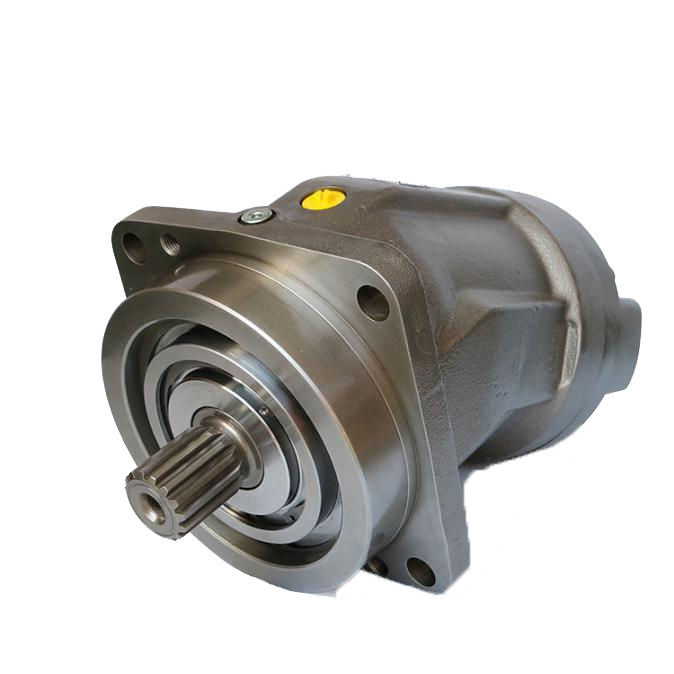
If you are an OEM, distributor or equipment builder and looking for a reliable manufacturer who can provide you with highest quality products at competitive factory prices and one-stop-shop hydraulic solutions, POOCCA is your ideal manufacturer. POOCCA designs and manufactures a wide variety of hydraulic gear pumps, hydraulic piston pumps, hydraulic vane pumps, hydraulic motors as well as hydraulic valves. POOCCA also specializes in customizing hydraulic solutions to meet customers’ specific needs. Strict quality control is in place to ensure that all hydraulic products are of high quality and can be delivered globally in a timely manner. Please do not hesitate to contact POOCCA team for discussion on large bulk purchase, OEM specific hydraulic solutions as well as any technical collaborations. We are your one-stop hydraulic factory supplier.