 English
 Russian
 Arabic
 Indonesian
 Turkish
 Vietnamese
 Polish
 German
 Malay
Malay Thai
Thai Kazakh
 Spanish
 Chinese (Simplified)
 Korean
 Italian
 Azerbaijani
 Dutch
Dutch French
 Romanian
 Portuguese
 Hindi
HindiHydraulic motors act as main parts in fluid power systems for many industrial and mobile uses. These devices turn hydraulic energy from pressured fluid into turning mechanical energy. They give steady torque and movement where electric or mechanical options may not work well. Their skill to run in tough settings, supply strong power in small sizes, and offer exact control makes them vital in current machines.
This piece looks at the basic ideas, main types, chief uses, and output gains of hydraulic motors. It uses set engineering methods and field knowledge to aid smart choices and fitting.
What Are Hydraulic Motors?
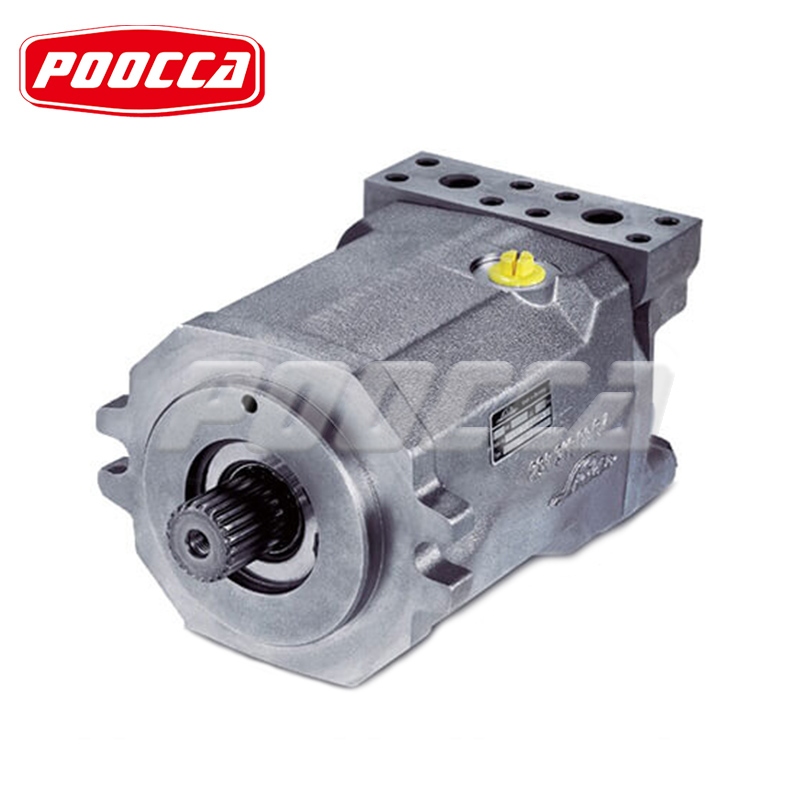
Hydraulic motors work on the idea of fluid power transfer. Pressured hydraulic fluid goes into the motor. It works with inside parts to make force. This leads to steady rotary output. The fluid then leaves at lower pressure. It finishes the loop. This setup lets motors work well without direct electric power. It fits explosive or far-off places.
Main output traits include displacement (fluid volume per turn), torque output, speed range, and efficiency. Engineers pick motors based on system pressure, flow rate, duty cycle, and surroundings like temperature and dirt levels. Right matching with hydraulic pumps, valves, and reservoirs makes sure of best system output and long life.
Types of Hydraulic Motors
Hydraulic motors come in a few setups. Each one fits certain torque, speed, efficiency, and strength needs.
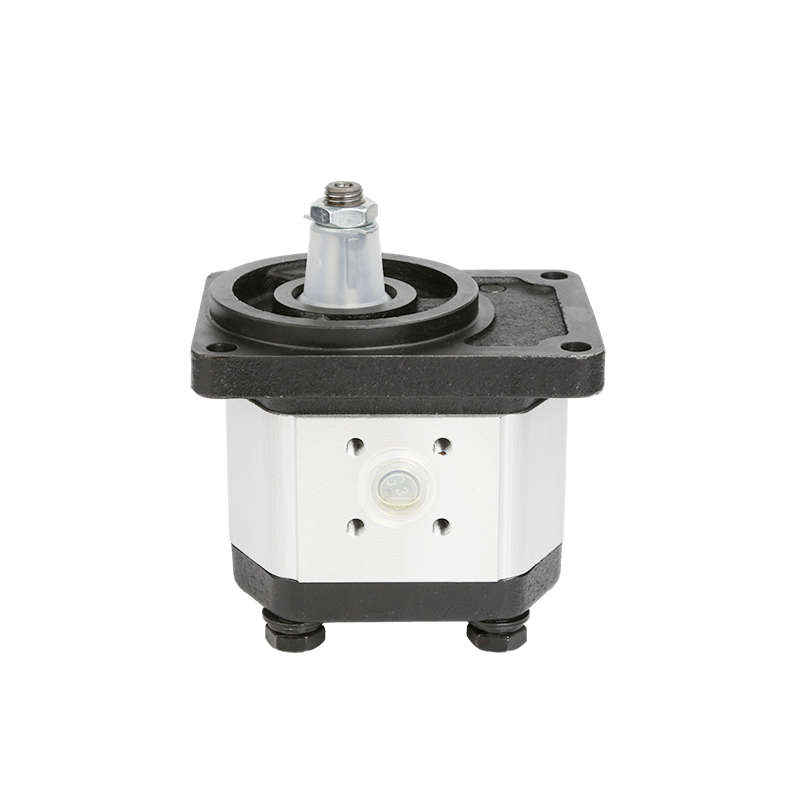
Gear Motors
Gear motors form one of the simplest and strongest types. They usually have outside or inside meshing gears. These gears turn fluid pressure into rotation. Outside gear motors bring ease and low cost. Inside gear types can give smoother work in some cases.
These motors provide even performance over a broad speed range. They manage medium pressures well. Their small size and ability to handle dirt make them good for mobile gear and helper drives. Drawbacks include lower volumetric efficiency than other types at very high pressures.
Vane Motors
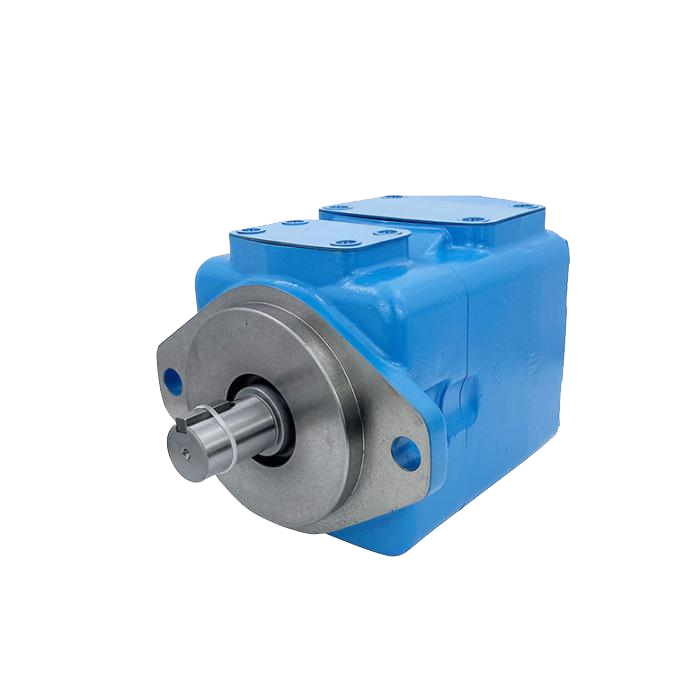
Vane motors use a rotor with sliding vanes. The vanes move out from the center within an off-center cam ring. Fluid enters the spaces made by the vanes. It creates pressure differences that push rotation. This setup gives smooth, quiet work and good starting torque.
Vane motors reach high efficiency over wide speed ranges. They do well in tasks needing steady work with little shaking. They work fine in machine tools, conveyors, and injection molding gear where exact, quiet movement matters.
Piston Motors
Piston motors give the top power density and efficiency among usual types. They split into a few setups:
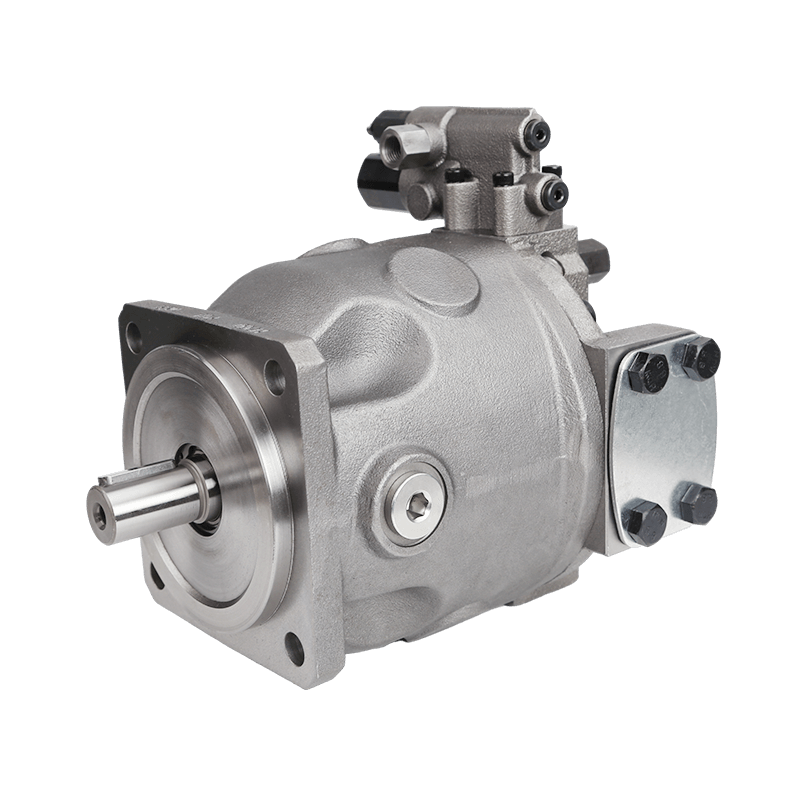
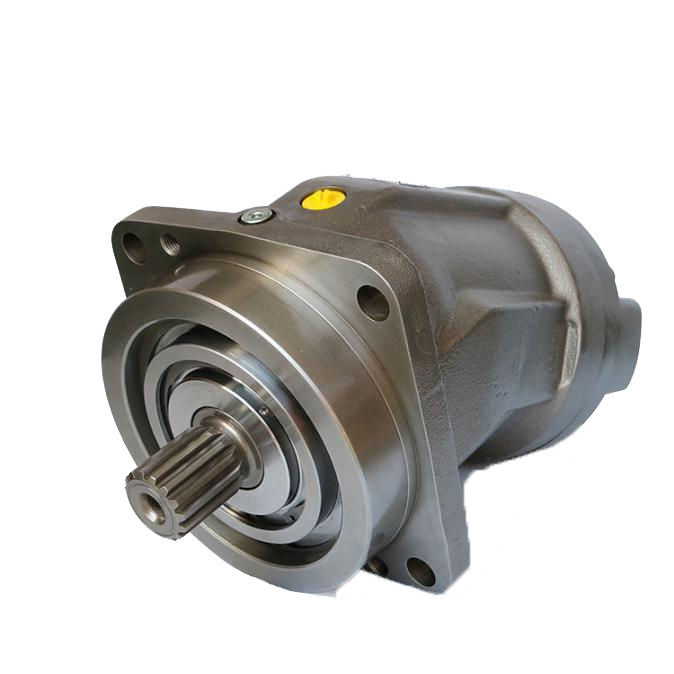
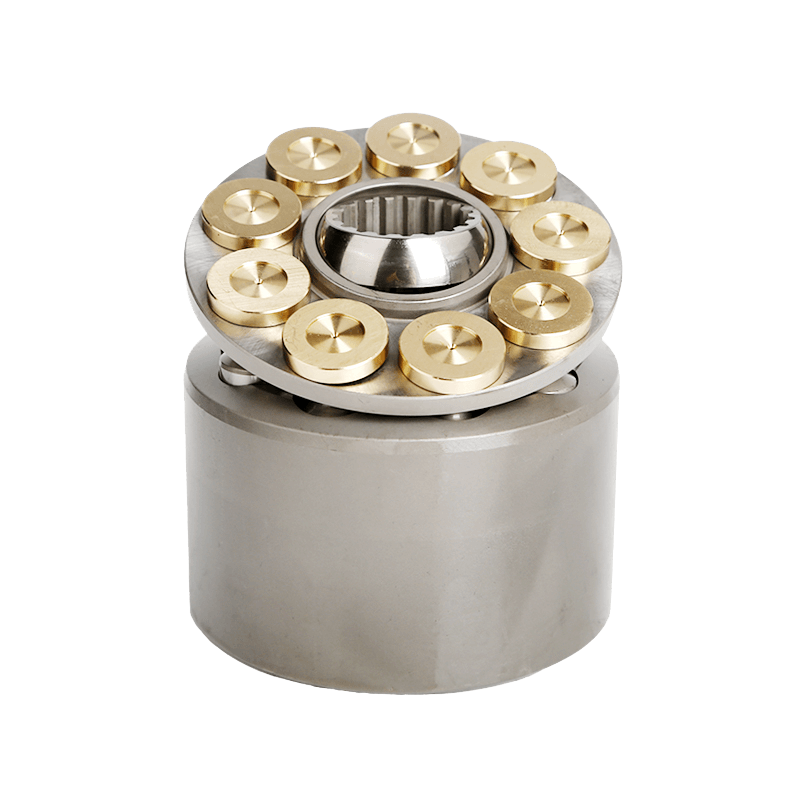
Axial Piston Motors: Pistons set parallel to the output shaft provide high speed and efficiency. Fixed and variable displacement types allow control options. Bent-axis and swashplate types are common. The last one offers small size and good handling.
Radial Piston Motors: Pistons stretch out from the center. They make great starting torque and low-speed work. These motors fit heavy tasks like winches, wheel drives, and uses needing high torque at low RPM.
Piston motors deal with very high pressures (often over 400 bar). They give better efficiency. This makes them perfect for hard mobile and industrial tasks.
Orbital and Gerotor Motors
Orbital motors, including gerotor and geroler types, have an inner rotor that turns inside an outer ring with lobes. This setup makes high torque in a small space with good low-speed traits.
These motors see wide use in auger drives, conveyor systems, and wheel push where room is tight and high torque is key. Roller types (geroler) cut friction. They boost efficiency and strength under load.
Other special types exist, such as radial piston cam motors for very high torque tasks in marine and mining areas. Choice depends on needed displacement, pressure rating, efficiency goals, and fitting limits.
Key Applications and Uses of Hydraulic Motors
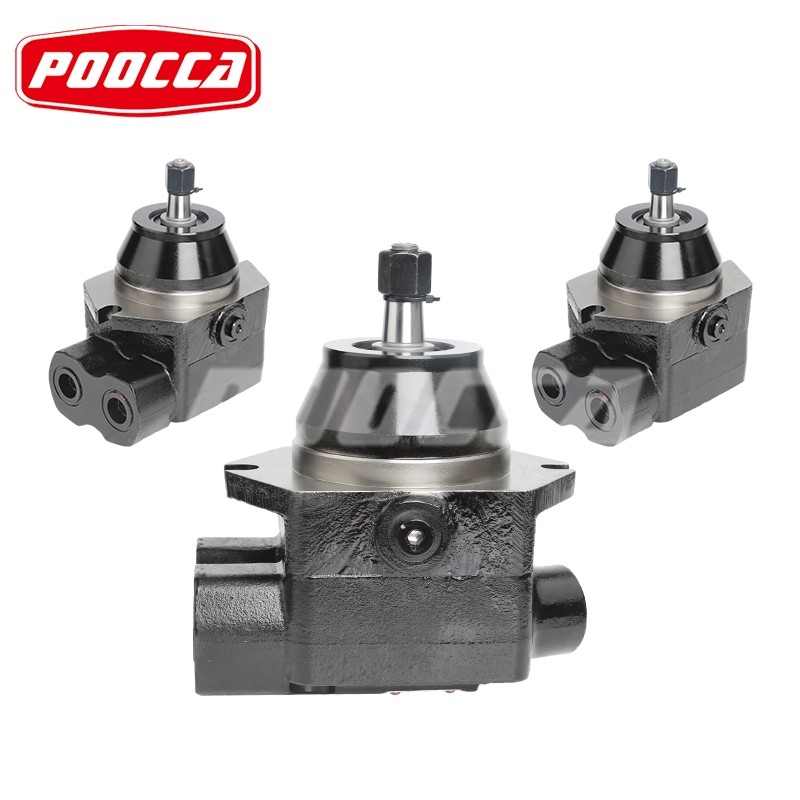 Hydraulic motors power key jobs in many fields because of their flexibility and solid output.
Construction and Heavy Equipment
In construction, hydraulic motors run track and wheel push, swing parts, winches, and augers on excavators, cranes, bulldozers, and skid-steer loaders. Their high torque output and quick reverse ability aid hard site work under changing loads.
Agriculture and Forestry
Farm machines depend on hydraulic motors for drives in harvesters, tractors, irrigation systems, and feed mixers. Low-speed high-torque types handle heavy tools well. They also give exact speed control for planting and harvesting jobs.
Manufacturing and Industrial Processes
Factories use hydraulic motors in conveyor systems, mixers, rollers, extruders, and material handling gear. Their steady torque giving and overload handling support ongoing production lines and heavy work.
Marine, Offshore, and Mining
Marine winches, thrusters, and deck gear gain from the rust-proof and high-torque skills of special hydraulic motors. In mining, they power drills, conveyors, and haulage systems in dusty, high-shake settings.
Additional Sectors
Aerospace systems use light, steady motors for control surfaces and cargo handling. Energy, recycling, and transport fields also add hydraulic motors for special drives needing small power giving.
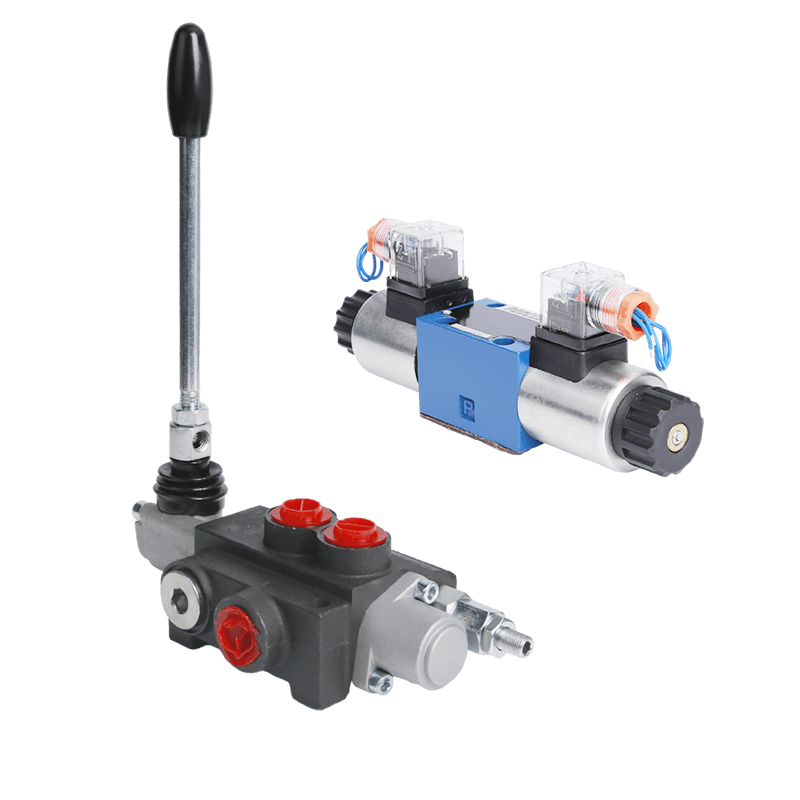
Fitting with proportional valves and electronic controls allows smart automation and energy saving in current systems.
Benefits of Hydraulic Motors
Hydraulic motors offer clear gains that improve system plans and work output.
- High Power Density: These motors make large torque and power compared to their size and weight. This lets machines stay small without losing output.
- Precise Speed and Torque Control: Changing flow and pressure allow small changes. This supports smooth speed up, slow down, and placing over wide work ranges.
- Durability in Harsh Conditions: Strong build handles high pressures, shock loads, temperature highs and lows, and dirt better than many options. This leads to steady work in hard settings.
- Versatility and System Integration: Motors join easily with different pump types, directional valves, and accumulators. They allow two-way turning and can act as pumps in some energy-saving setups.
- Safety and Overload Protection: Hydraulic systems naturally limit torque with pressure relief valves. This guards gear and workers from overload harm.
- Low Inertia and Rapid Response: Fluid power transfer gives fast starts and stops. This helps in active tasks.
These traits lead to less down time, better work rate, and lower total cost of owning in well-built systems.
Selection Considerations for Hydraulic Motors
Engineers check a few factors when picking hydraulic motors. Displacement sets planned speed and torque for given flow and pressure. Efficiency lines at work conditions help guess energy use and heat making. Fitting choices (flange, foot, or wheel), shaft setups, and porting must fit machine needs.
System fit with fluid type, filter levels, and work temperature makes sure of long service life. Manufacturers provide fixed and variable displacement models. They also offer special covers or seals for extreme settings.
FAQ
What is the main difference between hydraulic motors and hydraulic pumps?
Hydraulic motors convert fluid energy into mechanical rotation, while pumps convert mechanical input into fluid flow and pressure. Many designs are reversible.
Which type of hydraulic motor is best for high-torque low-speed applications?
Radial piston or orbital (gerotor/geroler) motors typically excel in high-torque, low-speed scenarios such as winches and wheel drives.
Partner with a Trusted Hydraulic Motor Manufacturer and Supplier
Equipment manufacturers, OEMs, distributors, and system integrators seeking consistent quality, competitive factory pricing, and reliable supply chains can source a full range of hydraulic motors—including orbital, gear, vane, and piston models—along with complementary pumps and valves from POOCCA. With extensive manufacturing facilities and over 1,600 product variants, POOCCA delivers customized solutions, technical expertise, and global export capabilities to support production requirements and project timelines. Reach out to the POOCCA team today to discuss specifications, request samples, or secure volume supply agreements.