 English
 Russian
 Arabic
 Indonesian
 Turkish
 Vietnamese
 Polish
 German
 Malay
Malay Thai
Thai Kazakh
 Spanish
 Chinese (Simplified)
 Korean
 Italian
 Azerbaijani
 Dutch
Dutch French
 Romanian
 Portuguese
 Hindi
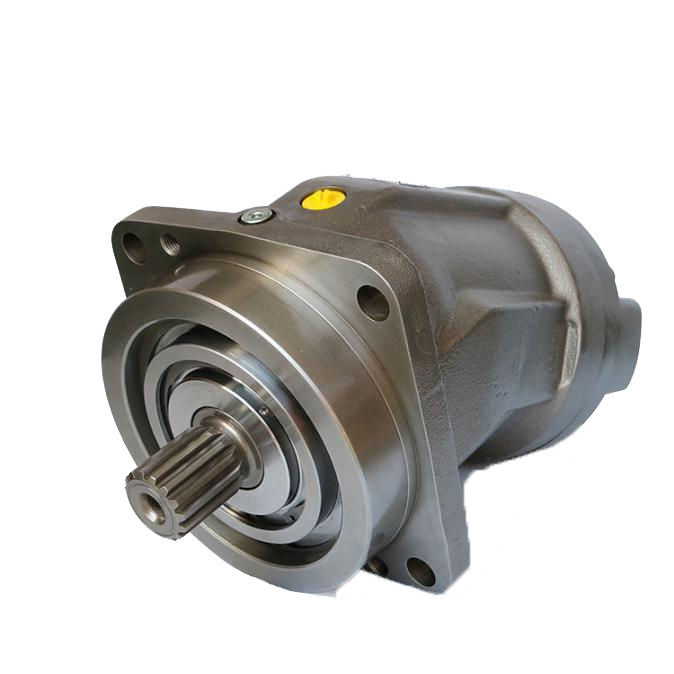
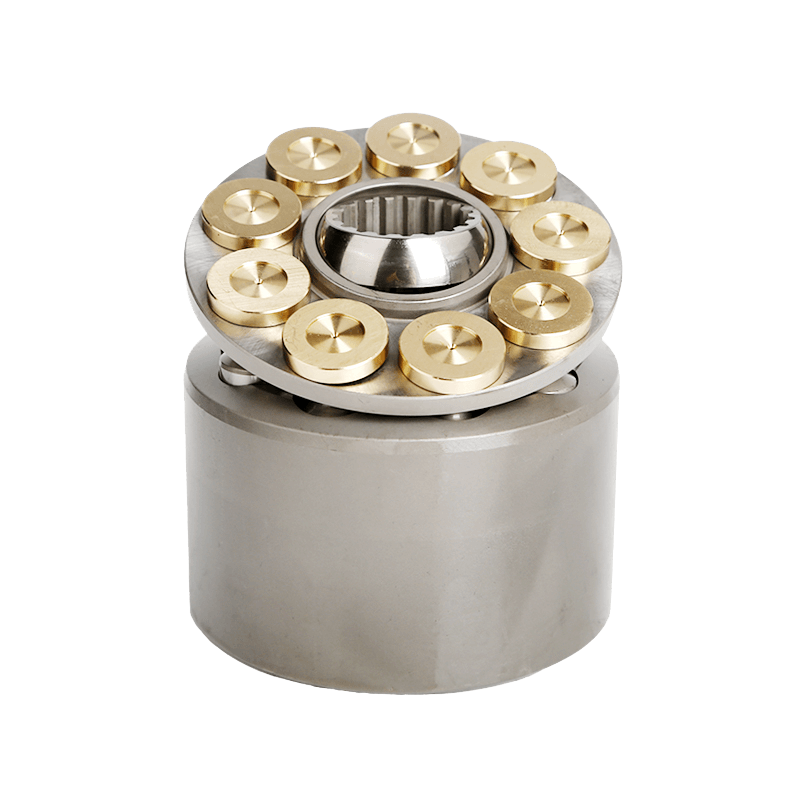
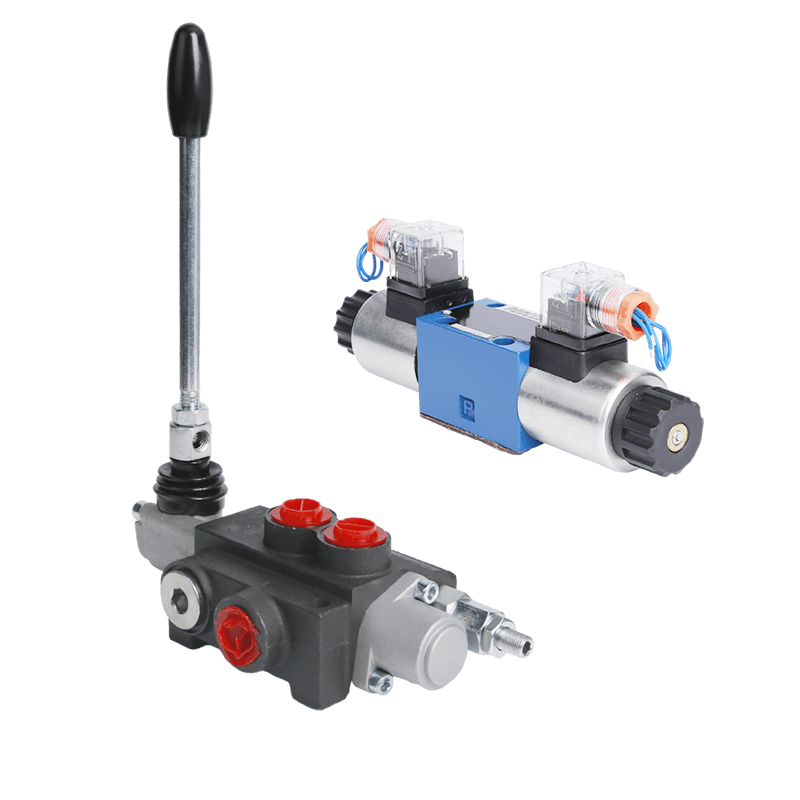
HindiAccording to Grand View Research, the global hydraulic equipment market was valued at over USD 45 billion in recent years, underscoring how critical hydraulic power remains across agriculture, construction, forestry, and mobile equipment. For buyers searching for a pto hydraulic pump and tank, the challenge is no longer just finding a unit that spins off the tractor PTO—it is selecting a complete, efficient, standards-aware hydraulic power pack that can reliably run other attachments, auxiliary circuits, hydraulic cylinders, valves, motors, and pumps under real field conditions. Whether you are comparing a tractor PTO hydraulic pump and reservoir, evaluating a 540 PTO hydraulic pump kit, or replacing an older used PTO hydraulic pump and tank, understanding flow, pressure, reservoir sizing, and compliance is essential to making a cost-effective decision.
Why PTO Hydraulic Pump and Tank Systems Matter in Agriculture and Mobile Attachments
Auxiliary hydraulic systems have become increasingly important as tractors are expected to power more specialized tools, from log splitters and post drivers to mowers, augers, seed handling systems, grapples, sprayers, and other hydraulic powered attachments. Unlike a basic onboard hydraulic circuit that may have limited capacity, a dedicated PTO-driven hydraulic power pack gives operators an independent source of flow and pressure, often improving implement compatibility and reducing strain on the tractor’s native system.
According to MarketsandMarkets, the global agricultural equipment market is projected to grow at a steady CAGR above 5% through the forecast period, reflecting ongoing investment in farm mechanization and powered implements. That growth directly supports demand for tractor PTO hydraulic pump and reservoir systems because more attachments require reliable hydraulic power measured in GPM and delivered at working pressures often ranging from 2,000 to 3,500 PSI depending on the application.
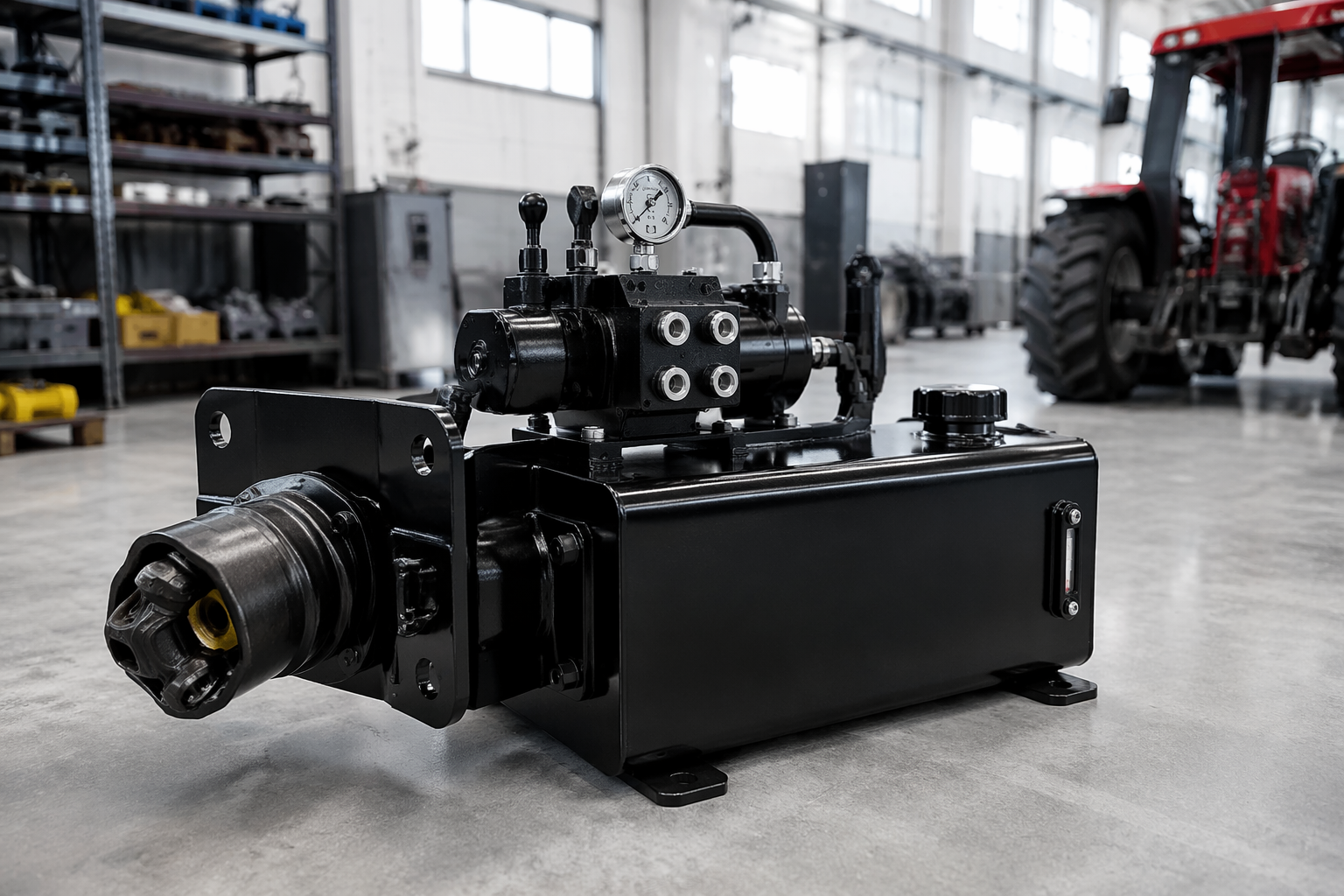
A typical PTO hydraulic pump and tank package includes a hydraulic pump, reservoir, filtration, suction and return plumbing, pressure relief, directional valves, and sometimes a cooler, gauge package, or quick couplers. In practical terms, the tank does more than simply store oil. It helps dissipate heat, supports deaeration, captures contaminants with the broader filtration circuit, and stabilizes fluid supply to the pump during continuous-duty operation. That matters because hydraulic efficiency, component life, and attachment performance all suffer when oil overheats or cavitates.
According to NFPA, fluid contamination is a leading cause of hydraulic system failure, with some industry estimates attributing as much as 70% to 80% of failures to contamination-related issues. That single statistic explains why smart buyers should look beyond pump displacement alone and assess tank design, filtration quality, sight gauges, breathers, and service access. This is an area where POOCCA can provide value through custom hydraulic solutions, factory-direct pricing, and flexible MOQ options for OEMs, distributors, and equipment buyers seeking practical system matching rather than one-size-fits-all configurations. Buyers who need tailored hydraulic packs or sourcing support can contact POOCCA here.
Compared with product pages focused only on basic specs, a more effective purchasing strategy considers real operating conditions: PTO speed, oil volume, duty cycle, ambient temperature, motor load, valve function, and the type of attachments being powered. A small pto hydraulic pump and tank may be ideal for intermittent cylinder movement, while a higher-capacity unit may be required for continuous hydraulic motor operation such as conveyors, cutters, or sweepers.
Technical Deep Dive: How a PTO Hydraulic Pump and Tank Works, and How to Size One Correctly
At its core, a PTO hydraulic pump converts mechanical power from a tractor’s PTO shaft into hydraulic energy. The PTO rotates the pump, the pump draws oil from the tank, and that pressurized oil is directed through valves to hydraulic cylinders or motors that perform work. This is the answer to a common People Also Ask question: Can a PTO pump be used for hydraulics? Yes—provided the pump type, shaft speed, reservoir capacity, and control components are matched correctly to the application.
As Erik Rupp, former hydraulic systems educator and industry trainer, states: “Hydraulic performance is always about matching flow, pressure, and heat load to the actual work cycle—not just choosing the biggest pump available.” That principle is especially relevant for buyers searching terms such as 1000 RPM PTO hydraulic pump or 540 PTO hydraulic pump kit. PTO speed affects pump displacement selection and ultimately determines delivered GPM. For example, if an attachment needs 15 GPM at 2,500 PSI, the hydraulic package must be configured to reach that target without excessive heat generation or chronic overloading.
According to SAE International technical guidance used across fluid power system design, pressure losses, hose sizing, and fluid cleanliness all materially affect system efficiency and reliability. Even a well-sized pump can underperform if suction lines are restricted, return lines are undersized, or reservoir dwell time is insufficient. This is why the “tank” in pto hydraulic pump and tank deserves equal attention. A properly sized hydraulic tank helps cool fluid, reduce aeration, and maintain consistent feed to the pump. In many mobile applications, designers may use reservoir capacities around 2 to 3 times the per-minute pump flow as a starting point, then refine based on duty cycle and thermal load.
According to Statista, the agriculture sector continues to invest heavily in machinery modernization, with equipment replacement and efficiency upgrades remaining a recurring capital priority in major farming markets. In practice, that means procurement teams are increasingly looking for complete hydraulic power pack solutions instead of piecing together pumps, tanks, valves, and couplers from separate suppliers.
Another common question is: How does a PTO hydraulic pump work? The answer is straightforward. Mechanical torque from the PTO spins the input shaft of the hydraulic pump. The pump creates flow by moving fluid from the reservoir into the pressure line. System resistance generated by the load creates pressure, measured in PSI. Directional control valves route oil to the appropriate port of a cylinder or motor, while relief valves protect the system from overpressure. Return oil flows back to the hydraulic tank, where it cools and de-aerates before being recirculated.
As Brendan Casey, hydraulic specialist and trainer, states: “Heat is wasted horsepower in a hydraulic system.” That quote matters because inefficient PTO hydraulic power packs often fail not because of insufficient advertised output, but because poor reservoir design, filtration, or line sizing causes heat buildup and oil degradation over long work cycles.
According to ISO, consistent quality management and process control are foundational to manufacturing reliability, which is why buyers should prioritize suppliers aligned with ISO 9001 quality systems. For export markets and regulated equipment channels, CE marking may also be relevant depending on system integration and end-use requirements. When sourcing pumps, motors, valves, or cylinder-compatible power packs for OEM integration, POOCCA offers custom configuration support for hydraulic components and systems, helping buyers match pressure, flow, control logic, and installation constraints more effectively. For project-based inquiries, buyers can reach out to POOCCA.
Standards, Compliance, and Component Quality: What Buyers Should Verify Before Purchase
When evaluating a pto hydraulic pump and tank price or comparing a new system to a used tractor PTO hydraulic pump and reservoir, standards and compliance should not be treated as secondary concerns. The performance gap between two systems with similar headline flow ratings can be substantial when one uses better filtration, more consistent machining tolerances, stronger seals, and validated pressure testing.
ISO 9001 is one of the most important quality benchmarks for hydraulic component sourcing because it indicates that the manufacturer follows documented quality management procedures. While ISO 9001 does not guarantee field performance by itself, it significantly improves traceability, process consistency, corrective action handling, and overall supply reliability. For B2B buyers and OEMs, these factors matter as much as raw specs.
SAE International standards are also highly relevant in hydraulic hose assemblies, connectors, fittings, and mobile fluid power design. Following SAE-based practices can help reduce leakage risk, pressure drop, and premature wear. Meanwhile, NFPA remains a recognized authority in fluid power best practices and terminology, helping buyers compare products using standardized hydraulic language. For some equipment categories, API standards may also influence component expectations, especially where power transmission, industrial interfaces, or broader machinery specifications overlap with oil and gas or heavy-duty industrial environments.
According to IBISWorld, industrial machinery and equipment sourcing decisions are increasingly shaped by lifecycle cost rather than purchase cost alone. That aligns closely with hydraulic buying logic: a lower-cost unit can become more expensive if it has poor filtration, undersized reservoirs, or inconsistent relief valve performance that damages valves, motors, or cylinders downstream.
Buyers should ask practical questions such as:
• What is the rated continuous pressure in PSI?
• What flow range in GPM is available at 540 RPM or 1000 RPM PTO speed?
• Is the reservoir sized for continuous duty or intermittent operation?
• What filtration micron rating is included on return and suction sides?
• Are the valves, couplers, and seals compatible with the intended fluid and temperature range?
• Does the manufacturer support custom hose routing, manifold options, or attachment-specific layouts?
These questions are especially important when powering other attachments in agriculture where dust, long operating hours, and variable weather can stress the hydraulic pack. A dependable solution should combine pump efficiency, clean oil management, serviceability, and safety protections. Buyers evaluating OEM or distributor supply relationships may benefit from working with POOCCA, particularly where custom solutions, flexible MOQ, and factory-direct support can improve procurement efficiency for recurring projects.
Implementation Guide: Selecting the Right PTO Hydraulic Power Pack for Your Tractor and Attachments
The best implementation process begins with the attachment, not the pump. Start by identifying whether the attachment uses a hydraulic cylinder, hydraulic motor, or a combination of both. Cylinder-driven functions often require pressure and moderate flow, while motor-driven tools typically demand sustained flow and better thermal control. This distinction shapes pump displacement, valve type, hose diameter, and reservoir capacity.
For example, if you need a tractor PTO hydraulic power pack for sale to run a post driver or lift mechanism, the duty cycle may be intermittent. In that case, a moderate reservoir and standard cooling approach may suffice. If you need a tractor PTO hydraulic pump kit for a continuous motor load such as a conveyor, feed system, or cutter, then the tank and cooling design become far more important. Continuous motor operation creates a higher heat load and may require additional thermal management.
According to MarketsandMarkets, predictive maintenance and equipment monitoring technologies are seeing accelerating adoption in off-highway equipment categories, which supports greater interest in hydraulic packages with gauges, temperature monitoring, and visible fluid level inspection. This is why features like sight glasses, temperature gauges, and accessible filters are practical buying criteria—not just marketing extras.
Here is a simple implementation checklist:
1. Confirm PTO speed: 540 RPM or 1000 RPM.
2. Define required flow in GPM and pressure in PSI.
3. Determine whether the load is cylinder-based, motor-based, or mixed.
4. Size the hydraulic tank for thermal stability and dwell time.
5. Verify relief valve settings, filtration, and hose compatibility.
6. Confirm mounting, guarding, and quick coupler needs.
7. Evaluate supplier quality credentials such as ISO 9001 and applicable CE requirements.
According to NFPA, better fluid cleanliness directly correlates with longer component life and lower maintenance frequency. In practical terms, that means a properly filtered new system can dramatically outperform a cheap used PTO hydraulic pump and tank whose contamination history is unknown. A used unit may appear cost-effective upfront, but if debris damages control valves or a hydraulic motor, downtime and replacement costs can escalate quickly.
Success in implementation also depends on supplier communication. Buyers often need custom manifolds, pressure settings, reservoir footprints, or application-specific ports. That is where direct manufacturer engagement becomes valuable. For custom sourcing, OEM support, or factory-direct hydraulic component supply, buyers can contact POOCCA to discuss pumps, valves, motors, and integrated hydraulic solutions for agriculture and industrial attachments.
Future Outlook: Smarter, More Efficient PTO Hydraulic Systems for Modern Equipment
The future of the pto hydraulic pump and tank market is closely tied to the evolution of multifunction tractors, compact equipment, and specialized attachments. As implement diversity grows, demand is increasing for hydraulic power packs that are easier to integrate, more thermally efficient, and more adaptable to multiple operating scenarios.
According to Grand View Research, growth in mobile hydraulics is being supported by continued industrialization, equipment replacement cycles, and rising demand for productivity-enhancing machinery. For agriculture, that translates into more interest in modular hydraulic power solutions that can support seasonal flexibility without requiring buyers to replace an entire tractor platform.
Looking ahead, buyers can expect more PTO hydraulic systems with improved monitoring, cleaner packaging, better filtration efficiency, and more custom valve control options. There is also likely to be stronger emphasis on lifecycle reliability, safety compliance, and sourcing transparency. For distributors, machinery builders, and end users, the opportunity lies in choosing suppliers that can support both standard products and customized hydraulic assemblies.
If you are comparing options beyond a basic catalog-style offering and want a hydraulic partner that supports custom solutions, flexible MOQ, and factory-direct pricing, POOCCA is worth shortlisting for your next tractor hydraulic power pack or auxiliary hydraulic project.
Frequently Asked Questions
Can you add auxiliary hydraulics to a skid steer?
Yes. Many skid steers can be equipped with auxiliary hydraulics either from the factory or through approved retrofit kits, depending on the machine model and hydraulic architecture. Auxiliary hydraulics provide dedicated flow to powered attachments such as augers, breakers, grapples, trenchers, and sweepers. According to SAE International guidance used in mobile equipment fluid power design, successful auxiliary integration depends on matching flow, pressure, couplers, valve controls, and cooling capacity to the attachment’s requirements. In practical terms, adding auxiliary hydraulics means ensuring the machine can deliver enough GPM and PSI for the intended tool without overheating or exceeding component limits. If the skid steer is already near its hydraulic capacity, a retrofit may require additional cooling or changes to valve configuration. Buyers should also verify hose routing, control compatibility, and filtration standards. For high-demand attachments, an external or dedicated hydraulic power source may be a better solution than relying on the base machine alone.
How efficient are PTO hydraulic pumps?
PTO hydraulic pumps can be highly effective when correctly sized, but actual efficiency depends on pump type, operating speed, fluid viscosity, line sizing, and heat management. Volumetric and mechanical losses are normal in any hydraulic system, and overall system efficiency can drop quickly if the reservoir is undersized or if there is excessive pressure loss through hoses and valves. According to NFPA, contamination and poor system design are major contributors to efficiency loss and premature failure in hydraulic equipment. A well-designed PTO pump setup can reliably convert tractor power into hydraulic flow for cylinders, motors, and attachments, but oversized pumps or poorly matched components often create excess heat and wasted horsepower. That is why the hydraulic tank, filter setup, and relief valve matter just as much as the pump itself. For continuous-duty applications, buyers should focus on the full hydraulic package rather than advertised pump displacement alone.
What are the alternatives to a PTO pump?
Alternatives to a PTO pump include engine-driven hydraulic power units, electric hydraulic power packs, tractor onboard hydraulics, and standalone hydraulic power stations. The best alternative depends on mobility, available power source, duty cycle, and attachment demand. According to Statista, equipment modernization spending continues to support adoption of more specialized power and control systems across agriculture and industry. Tractor onboard hydraulics may be sufficient for light or occasional attachment use, but they are not always ideal for high-flow continuous-duty tasks. Electric hydraulic power units can work well in workshops, fixed installations, or where emissions and noise are a concern. Engine-driven packs are common in field service, trailers, and independent mobile machinery where no PTO source is available. Each option has tradeoffs in portability, output, thermal performance, and cost. If your attachment requires stable independent flow and the tractor PTO is available, a dedicated PTO hydraulic pump and tank often remains one of the most practical solutions.
What are auxiliary hydraulics?
Auxiliary hydraulics are additional hydraulic circuits that provide pressurized fluid to external implements or machine functions beyond the primary factory-installed hydraulic system. In agriculture and construction, auxiliary hydraulics allow a tractor, skid steer, or other carrier machine to run powered attachments such as grapples, augers, mowers, or conveyors. According to MarketsandMarkets, ongoing growth in mechanized equipment and powered implements is helping drive demand for flexible hydraulic systems across mobile equipment segments. Auxiliary hydraulics usually include supply and return lines, control valves, couplers, and flow/pressure capacity tailored to the attachment. In some machines, auxiliary circuits are built in; in others, they are created through a PTO hydraulic power pack or separate hydraulic unit. The key advantage is versatility. Instead of relying only on the machine’s native circuits, operators gain dedicated hydraulic power for specialized tasks. When evaluating auxiliary systems, it is important to consider working PSI, GPM, tank size, filtration, and the thermal load of the attachment.
What is a PTO tank and what is a hydraulic tank?
A PTO tank is the oil reservoir used in a PTO-driven hydraulic system. More broadly, a hydraulic tank is the reservoir that stores hydraulic fluid, helps dissipate heat, allows entrained air to separate from the fluid, and supports contaminant settling before the oil is recirculated. According to ISO-based hydraulic design best practices, fluid condition and reservoir performance are central to system reliability. In a PTO hydraulic pump and tank setup, the tank is not just a storage container—it is a functional part of system health. If the tank is too small, oil can overheat, foam, or return to the pump before air bubbles have time to dissipate. If the tank design is poor, fluid cleanliness and serviceability suffer. Good hydraulic tanks typically include breather elements, sight gauges, drain access, and proper internal flow management. Buyers comparing a tractor PTO hydraulic pump and reservoir should pay close attention to tank capacity, port placement, and maintenance access, especially for longer-duration operation.
What should buyers know about the IronCraft Auxiliary PTO Hydraulic Kit compared with other options?
The IronCraft Auxiliary PTO Hydraulic Kit is known in the market as a straightforward tractor-focused hydraulic power option for running attachments, and it highlights practical features such as an integrated reservoir, visual oil monitoring, and application-based flow choices. For buyers, the bigger strategic question is not just brand recognition but whether the kit’s flow, pressure, tank size, and control configuration fit the intended attachment. According to IBISWorld, industrial and equipment buyers are placing increasing emphasis on lifecycle value rather than initial purchase price alone. That means comparing not just basic specs, but also serviceability, filtration, standards alignment, lead time, customization options, and supplier support. A kit may look attractive on paper, yet still fall short if it is not optimized for the attachment’s hydraulic motor or cylinder load. Buyers evaluating IronCraft or similar products should verify GPM at the intended PTO speed, rated PSI, reservoir capacity, filtration approach, and support for custom configurations. For OEMs and volume buyers, factory-direct sourcing and tailored hydraulic assemblies can offer stronger long-term value than fixed catalog-only packages.