
 English
 Russian
 Arabic
 Indonesian
 Turkish
 Vietnamese
 Polish
 German
 Malay
Malay Thai
Thai Kazakh
 Spanish
 Chinese (Simplified)
 Korean
 Italian
 Azerbaijani
 Dutch
Dutch French
 Romanian
 Portuguese
 Hindi
HindiIntroduction
In the complex world of fluid power setups, directional control valves act as key parts. They guide the movement of liquids or gases inside hydraulic and pneumatic systems. These valves help run machines with exact and smooth control. They affect how fluid travels to and from actuators like cylinders and motors. This piece describes what directional control valves are, how they operate, and why they count in many work settings.
What Are Directional Control Valves?
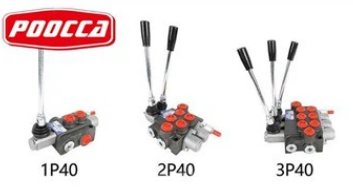
Directional control valves, often called directional valves, are tools that manage the flow of fluid in a hydraulic or pneumatic system. They decide the route that fluid follows as it goes in, moves through, and leaves the system. These valves can change between several spots, and each spot matches a set flow setup. They come in different sizes and shapes. Directional control valves fit a broad range of work uses, from small units in accurate tools to big systems in heavy equipment. At their heart, directional control valves handle links between ports. They let fluid move from pressure sources to actuators or go back to tanks. This job uses standard terms, such as 4/3-way valves, where the first number shows ports and the second marks positions.
How Do Directional Control Valves Work?
To grasp how directional control valves function, the process splits into main parts and tasks. Each one helps the valve handle fluid motion with care and trust.
1. Valve Body
The valve body works as the chief shell of the directional control valve. It holds paths and rooms where fluid passes. Made from strong stuff like cast iron or stainless steel, the body stands up to high pressure and fights bending. Inner channels get cut with care to cut down swirl. This keeps changes between flow states easy. The valve body also keeps the spool or poppet, which steers the flow way. It has fitting spots that follow ISO rules for simple join to manifolds or subplates.
2. Spool or Poppet
The spool (in hydraulic systems) or poppet (in pneumatic systems) is the inside piece that slides within the valve body. Its place inside the valve body sets the flow route of the fluid. When the valve gets triggered (often by a hand lever, solenoid, or other ways), the spool or poppet moves. It changes ties between entry and exit ports. This lets or stops fluid flow. Spools have ridges and cuts that line up with body ports. They make tight seals with O-rings or metal touches. In better designs, like those with spot feedback, sensors watch spool shift for closed-loop control. This boosts repeat in auto tasks.
3. Actuation Mechanism
Directional control valves can get started in many ways. These include hand levers, push buttons, solenoids, or pilot pressure. The picked start way rests on the exact use and the want for hand or auto control. Solenoid start, for example, uses magnet coils to make straight force. It reaches shift times under 50 milliseconds. Pilot-run types use extra fluid pressure for big-force moves. They suit large valves that handle flows over 100 l/min. Proportional solenoids let analog control. Here, current input tweaks spool spot for slow flow changes. This cuts shock in delicate gear.
4. Ports
Directional control valves have several ports. These include inlet ports, outlet ports, and work ports. Inlet ports let fluid come in the valve. Outlet ports let fluid leave the valve. Work ports are where fluid gets sent to do a set job, such as moving a hydraulic cylinder or starting a pneumatic tool. Port setups follow CETOP or NFPA rules. They have threaded or flanged links to fit varied piping wants. Exhaust ports in pneumatic valves let air out safely. They often have mufflers to lower noise.
5. Flow Paths
The spool’s or poppet’s slide inside the valve body sets up different flow routes. In a simple 2/2-way valve, for instance, the spool or poppet can link the inlet port to one of two outlet ports. More involved valves, such as 3/2-way or 4/3-way valves, give extra flow route choices for set uses. Tandem centering in 4/3-way types gives neutral stop spots. This stops unwanted moves during power loss. Flow paths get better through CFD tests to lower pressure drops. This keeps energy use low across work ranges. These parts work together well. Actuation starts spool slide that resets ports and paths. Feedback tools in new valves, such as linear sensors, allow exact watch. Fail-safe plans add springs for auto return to neutral.
Significance and Applications
Directional control valves play a big role in many work fields. Their exact control boosts safety, smooth run, and results.
1. Manufacturing
These valves steer the motion of hydraulic or pneumatic actuators in factory gear, such as presses, robotics, and conveyors. In robotic arms, 4/2-way valves send fluid to dual-acting cylinders. This allows quick, repeat moves key for assembly lines. Link with vision systems lets adaptive control. It cuts stop time in high-output work.
2. Mobile Machinery
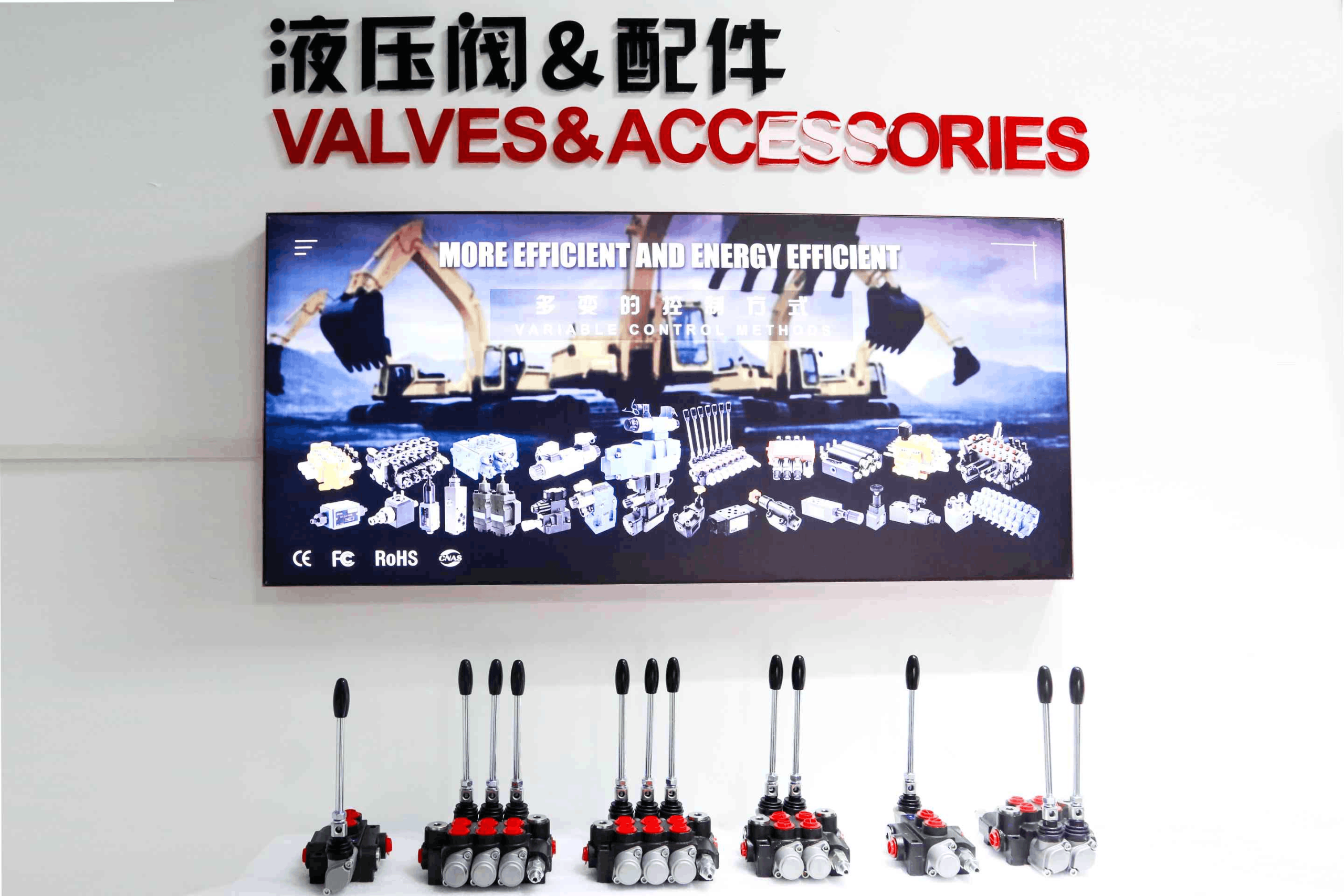
They hold a vital spot in build and farm gear. They control hydraulic cylinders for lift and dig. In excavators, sectional valves handle many tasks like boom swing and bucket curl. Pressure-made-up designs keep work steady under change loads. Farm tractors gain from joystick-started valves for tool control. This raises worker output.
3. Transportation
Directional control valves in rides like trucks and buses handle start of brakes and suspension systems. Anti-lock braking systems use quick-shift valves to tweak pressure. This stops wheel lock. Air suspension valves change ride height on the fly. They better steadiness and fuel save on long trips.
4. Aerospace
In planes, control valves manage hydraulic systems for landing gear, flaps, and other key tasks. High-trust solenoid valves ensure fail-work backup. They meet strict FAA rules. Small poppet designs cut weight yet handle extreme heat from -55°C to 120°C.
5. Oil and Gas
These valves steer the flow of hydraulic fluids in drill rigs and output gear. Subsea valves stand up to harsh settings. They use stuff like Inconel for long life. Proportional types allow fine power tong work. This cuts lost time on sea platforms. Beyond these, new uses in green energy, such as wind turbine pitch control, use directional control valves for exact blade tweak. This betters energy grab.
Types of Hydraulic Valves Provided by POOCCA
As a full hydraulic system provider, POOCCA gives a wide mix of hydraulic valves built to meet varied control wants. Among the main types are:
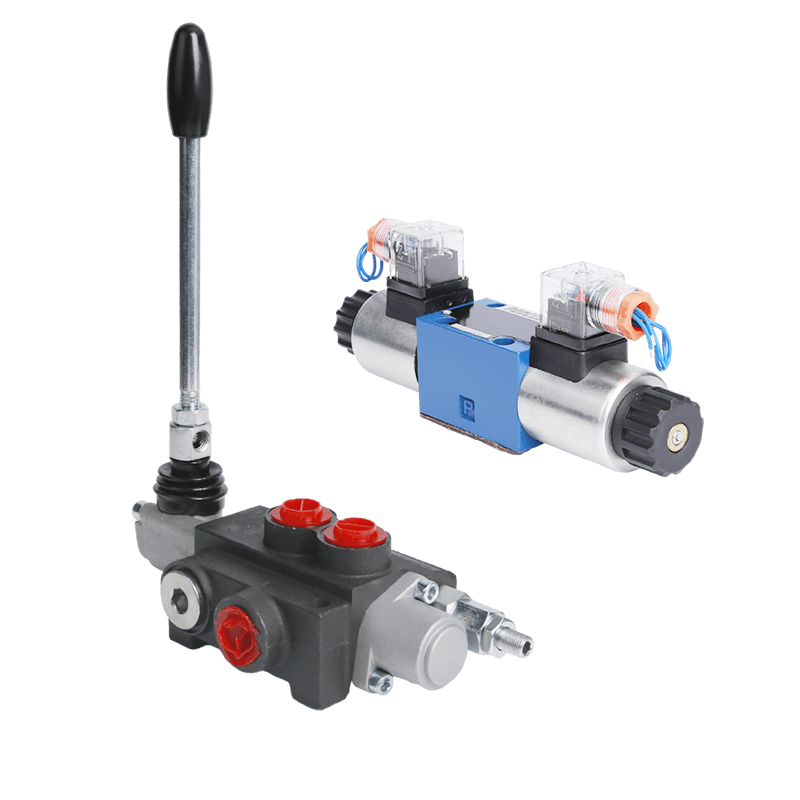
- Directional Control Valves — valves that set fluid direction, letting control of actuators (e.g. extend/retract, forward/reverse).
- Flow Control Valves — valves that set the rate of fluid flow, thus steering the speed of actuators or system flow.
- Pressure Control Valves (including Relief Valves / Safety Valves) — valves that manage system pressure, letting out or sending fluid when pressure goes past safe limits, guarding the system from overload or break.
Each type has a set goal. By mixing different valve types, complex hydraulic system acts — such as steered motion, load handle, speed set, and safety guard — can be reached.
FAQs
1. What is a directional control valve, and what is its primary function?
A directional control valve is a mechanical tool used to guide or set the flow of fluid (such as hydraulic oil or air) within a system. Its main job is to control the direction of fluid flow. This lets the run of actuators like cylinders or motors. By changing between spots, it sets the path the fluid takes. This allows for exact control of machines and gear.
2. How do directional control valves work?
Directional control valves work by using a spool, poppet, or rotary part to open or close set flow paths inside the valve. When the valve gets started (by hand, electric, or pneumatic way), it moves to a new spot. This sends fluid to different ports. The act controls the move of actuators, such as stretching or pulling a hydraulic cylinder or shifting the way of a motor.
3. What factors should be considered when selecting a directional control valve?
When picking a directional control valve, think about these points:
· Flow rate and pressure: Make sure the valve can take the system’s needed flow and pressure levels.
· Number of ports and positions: Pick a valve with the right setup for the use (e.g., 4-way, 3-position valves for complex systems).
· Actuation method: Choose if hand, electric, pneumatic, or hydraulic start fits the system best.
· Material and compatibility: Check the valve stuff works with the fluid type and work setting.
· Response time and durability: Look at the valve’s speed of work and its power to stand wear over time.
Partner with Leading Manufacturers and Suppliers for Superior Directional Control Valves
If a trusty and skilled hydraulic component supplier is needed, think of POOCCA as the factory source partner. With wide product lines, full custom services, strict quality control, and global export ability, POOCCA brings full hydraulic systems and parts fit to exact use needs.
20+ Years Of Experience POOCCA Sells Gear Pump, Piston Pump, Vane Pump, Motors, Hydraulic Valves At Factory Prices, Fast Delivery From The Source Factory, And A 12-Month Guarantee Period. For questions and orders, contact POOCCA at sales@kamchau.com.