 English
 Russian
 Arabic
 Indonesian
 Turkish
 Vietnamese
 Polish
 German
 Malay
Malay Thai
Thai Kazakh
 Spanish
 Chinese (Simplified)
 Korean
 Italian
 Azerbaijani
 Dutch
Dutch French
 Romanian
 Portuguese
 Hindi
HindiNSH hydraulic gear pumps hold a solid name in the world hydraulic parts market. They offer steady, high-pressure fluid flow in tough jobs. These external gear pumps are made to give even work, good strength, and low-cost running in many mobile and industrial hydraulic setups. From building areas and farm lands to mine work and big material moving gear, NSH hydraulic gear pumps stay a top pick for makers and system fitters who want tested trust in hard spots.
Core Design Features of NSH Hydraulic Gear Pumps
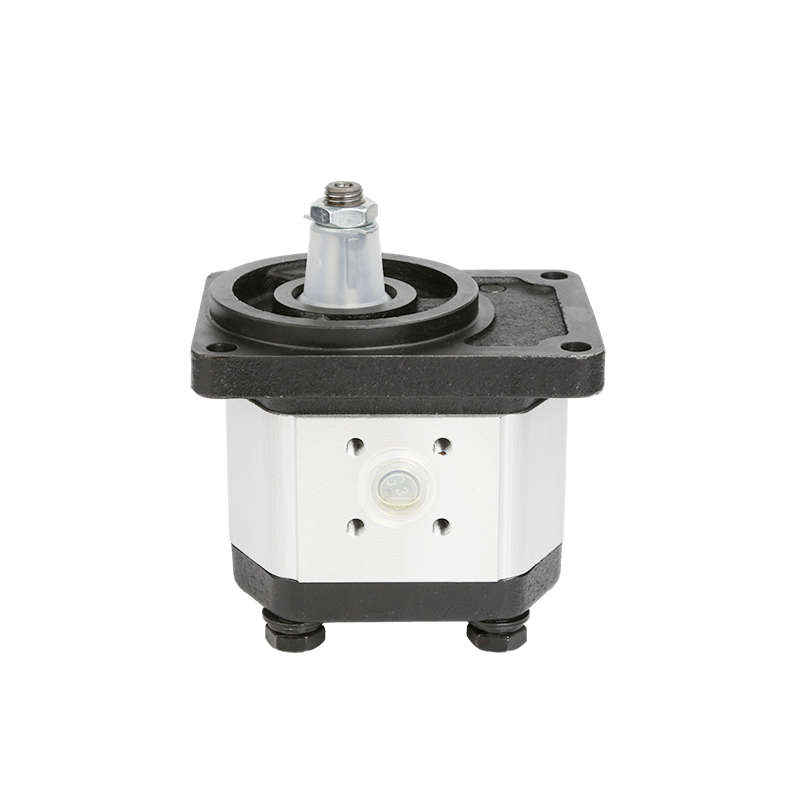
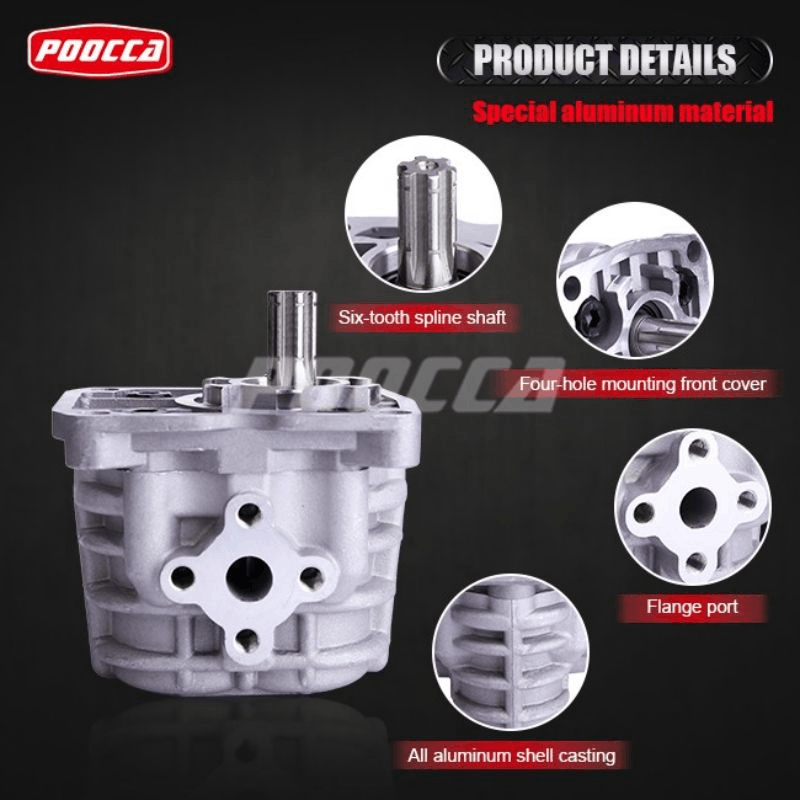
NSH hydraulic gear pumps use a basic external gear system. It has two exact-cut, fitting gears that spin inside a close-fit case. When the gears move, they form growing spaces on the intake side to pull in hydraulic fluid. They also make shrinking spaces on the output side to push fluid out with force. This fixed volume method keeps flow almost steady, based on spin speed.
The ANTEY design change boosts older types a lot. It cuts hydraulic side and end forces on the pump case and bearings. Sleeve bearings sit in a strong, firm holder that spreads loads better. This build improvement lets the pump keep high volume output and mechanical steadiness. It does so even during long runs at high pressures or with common pressure jumps.
Exact gear tooth shapes, solid materials, and good seal tech also cut inside leaks, lower work noise, and hold back heat rise. These are key points for keeping long-term work in rough places.
Available Models and Technical Specifications of NSH Hydraulic Gear Pumps
The NSH series fits a useful volume range for mid to big hydraulic systems:
- NSH32 — 32 cm³/rev
- NSH50 — 50 cm³/rev
- NSH71 — 71 cm³/rev
- NSH100 — 100 cm³/rev
- NSH250 — 250 cm³/rev
Pressure levels are strong and fit for jobs:
- Maximum continuous working pressure (P1): 160–200 bar (model-dependent)
- Maximum intermittent pressure (P2): up to 250 bar
- Maximum peak pressure (P3): up to 280 bar
Work speed options support varied drive setups:
- Maximum rated speed: 1920–3000 min⁻¹ (depending on displacement)
- Minimum stable speed: 500 min⁻¹
These details let system makers pick the right model for flow, pressure, and work cycle needs. They also stay in safe run limits.
Superior Durability in Extreme Operating Environments
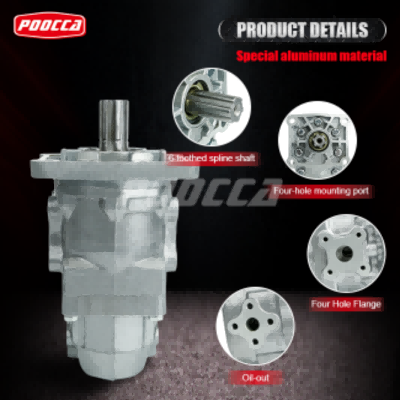
NSH hydraulic gear pumps are built on purpose to work well in bad service spots. The ANTEY strong frame greatly boosts hold against shape change and wear under steady high pressure, repeat loads, and shock forces seen in heavy mobile gear.
These pumps work in very cold Siberian winters or hot desert mine spots. They also handle dusty building areas or high-shake places. In such cases, they keep seal strength and bearing life much longer than many usual gear pumps. Less inside leak also aids system output and stops too much heat rise. That could harm fluid and part life otherwise.
Primary Applications for NSH Hydraulic Gear Pumps
NSH hydraulic gear pumps see wide use in these areas:
- Earthmoving and construction equipment (excavators, wheel loaders, backhoe loaders, bulldozers)
- Agricultural machinery (tractors, combine harvesters, forage equipment, sprayers)
- Mining and quarrying vehicles (dump trucks, drilling rigs, wheel loaders)
- Road construction and maintenance machines (graders, asphalt pavers, rollers)
- Forestry equipment (forwarders, harvesters, skidders)
- Industrial stationary systems (hydraulic presses, material handling conveyors, scrap balers)
Many OEMs fit NSH pumps as first parts or as cheap, good-work swaps in systems first set with like Eastern European or Russian-standard gear pumps.
Key Advantages of NSH Hydraulic Gear Pumps
NSH hydraulic gear pumps give several strong work and cost gains:
- High overall efficiency (volumetric + mechanical) leading to lower energy consumption
- Compact installation envelope ideal for space-limited mobile machinery
- Comparatively low noise generation during operation
- Excellent tolerance to moderate fluid contamination when proper filtration is used
- Stable flow characteristics across a broad speed range
- Significantly lower acquisition and lifecycle costs compared to axial piston pumps in many medium-pressure applications
- Straightforward integration with standard SAE, ISO, or splined shaft interfaces
These gains make NSH hydraulic gear pumps a good choice for makers who want to match work, trust, and full own cost.
Installation and System Integration Considerations for NSH Hydraulic Gear Pumps
Good fitting of NSH hydraulic gear pumps starts with right shaft line-up and fit choice to stop side force and early wear. Most models have many mount flange and port types (BSP, metric, or UNF threads). These match area rules and machine plans.
Intake setup matters a lot. Right intake line size, low-block filters, and good tank design help stop air bubbles. This is key at fast speeds or with thick fluids. System makers should also set relief valves and pressure adjusters right. Thus, they guard the pump from going over top pressure in short bursts.
Hydraulic Fluid Compatibility and Operating Temperature Range
NSH hydraulic gear pumps work best with normal mineral-based hydraulic oils in ISO VG 32–68 thickness levels at run heat. Many models also do well with picked man-made fluids, green oils, and some fire-safe fluids if fit is checked.
Usual suggested run heat span is –20°C to +80°C (fluid temperature). Short peaks to 90°C or 95°C fit most jobs. Cold start work stays sure down to –30°C or less. This holds with right low-heat fluids and good warm-up steps.
Market Position and Aftermarket Availability of NSH Hydraulic Gear Pumps
NSH hydraulic gear pumps fill a firm spot in the world aftermarket and OEM swap parts. This is true in places where Russian, Ukrainian, Belarusian, and Eastern European machine brands are common. Their mix of high pressure skill, fair price, and wide parts reach makes them a smart pick for fleet runners and fix shops. They aim to cut stop time and upkeep costs.
More world makers now use NSH pumps in new gear plans. They serve as low-cost, high-trust swaps for pricier Western-name gear pumps.
POOCCA as a Professional Source for NSH Hydraulic Gear Pumps and Full Hydraulic Solutions
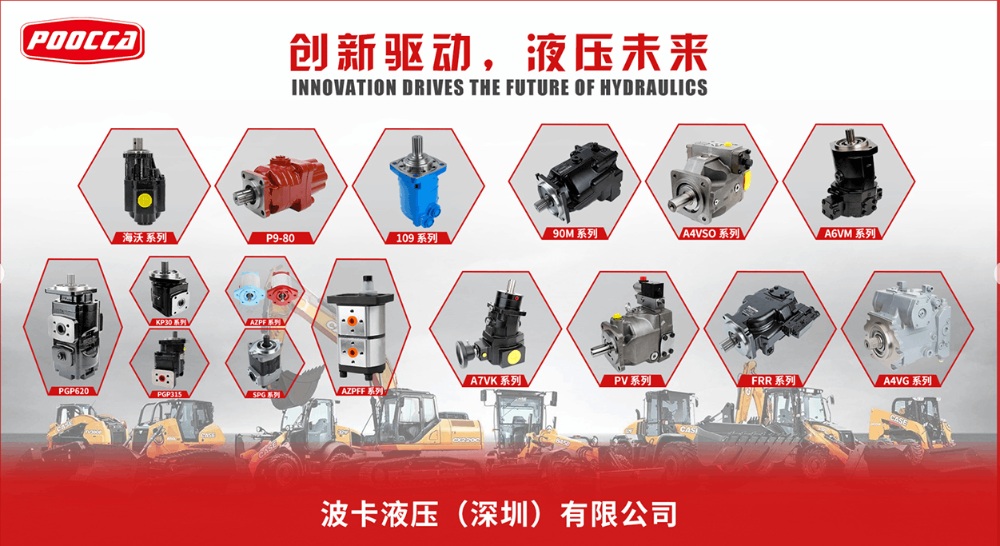
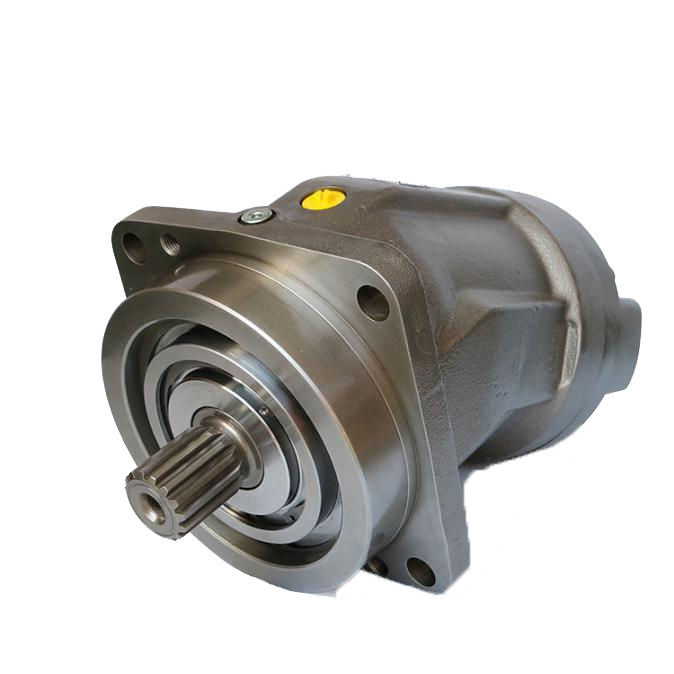
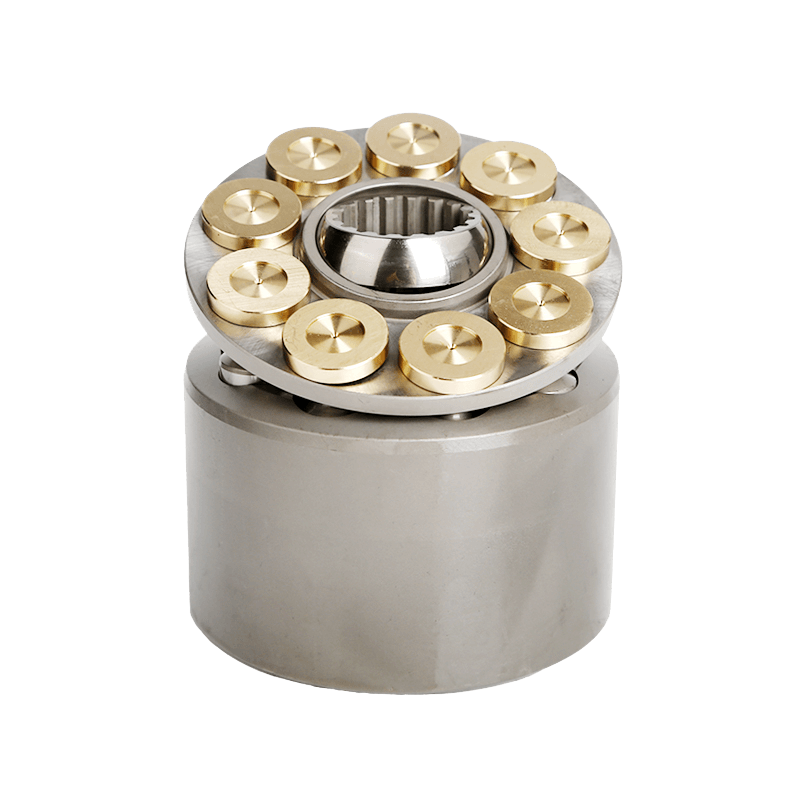
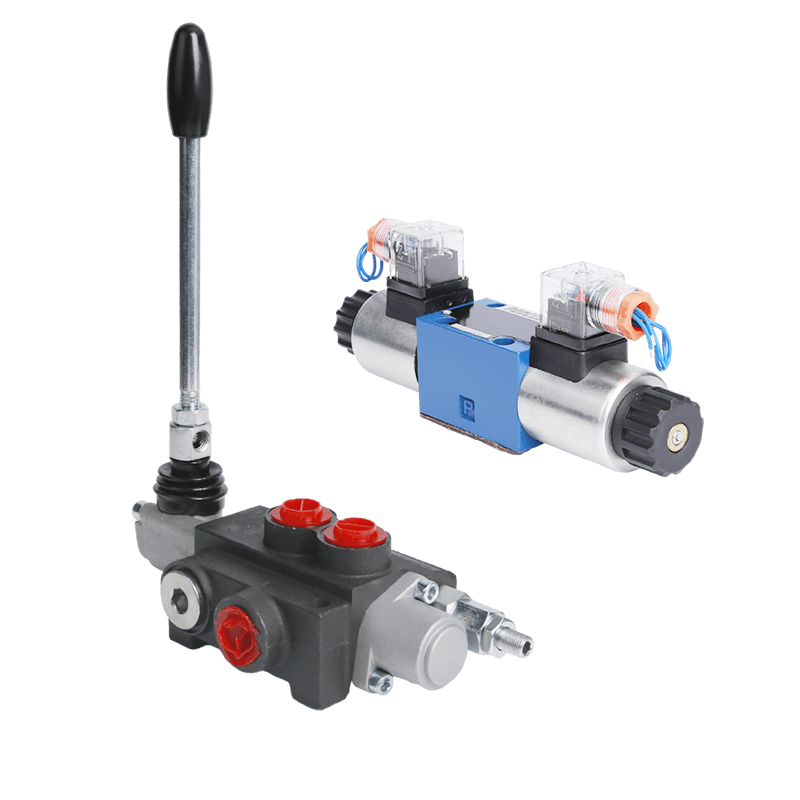
POOCCA runs as a full hydraulic manufacturer and supplier. It focuses on study, making, sales, and upkeep of hydraulic parts. The company gives true NSH hydraulic gear pumps along with its own lines and matching types. With a complete set of gear pumps, piston pumps, vane pumps, motors, valves, and custom hydraulic systems, POOCCA brings fair factory-direct answers to fields around the world.
FAQ
What displacement options exist for NSH hydraulic gear pumps?
Common displacements include 32 cm³/rev, 50 cm³/rev, 71 cm³/rev, 100 cm³/rev, and 250 cm³/rev.
What maximum continuous pressure do NSH hydraulic gear pumps support?
Models handle up to 200 bar continuous pressure, depending on specific variant.
Which industries most frequently use NSH hydraulic gear pumps?
Construction, agriculture, mining, road building, forestry, and heavy industrial machinery sectors rely on these pumps extensively.
What distinguishes the ANTEY design in NSH hydraulic gear pumps?
It reduces hydraulic loading on the housing and improves bearing conditions, enabling higher load resistance and better overall durability.
Are additional NSH variants available beyond the main models?
Yes, other series such as M, G, and D provide options for different pressure ratings and application requirements.
Source NSH Hydraulic Gear Pumps from a Trusted Manufacturer and Supplier
OEM assemblers, and hydraulic system integrators looking for reliable NSH hydraulic gear pumps or complete hydraulic component solutions gain significant advantages through direct partnership with a dedicated factory. POOCCA serves as a professional manufacturer, supplier, and factory offering competitive pricing, OEM/ODM customization, rapid production turnaround, and expert technical support. Contact today for detailed product specifications, quotations, or project-specific hydraulic solutions.
Reach out via email at sales@kamchau.com or phone/WhatsApp at +86 18927498997. Explore the full product catalog on the website and request immediate assistance for current requirements.