
 English
 Russian
 Arabic
 Indonesian
 Turkish
 Vietnamese
 Polish
 German
 Malay
Malay Thai
Thai Kazakh
 Spanish
 Chinese (Simplified)
 Korean
 Italian
 Azerbaijani
 Dutch
Dutch French
 Romanian
 Portuguese
 Hindi
HindiManaging the speed of a hydraulic motor is a key part in many factory uses. Experts in the hydraulic field know how vital exact speed handling is. They also see the linked issues. This piece looks at the various ways and points in managing the speed of a hydraulic motor. It points out real methods and solid fixes like orbital motors, piston motors, vane motors, and gear motors.
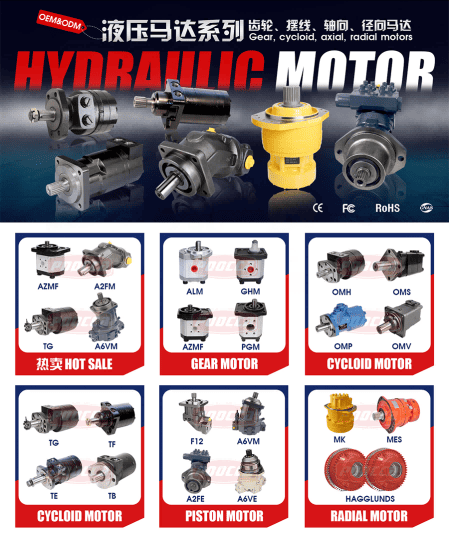
Understanding the Basics of Hydraulic Motors
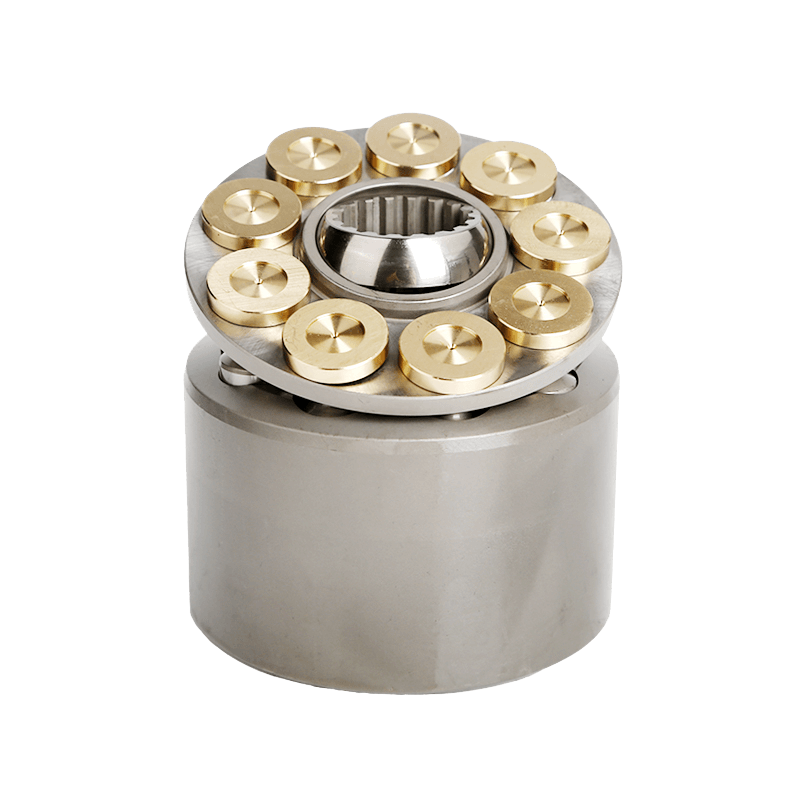
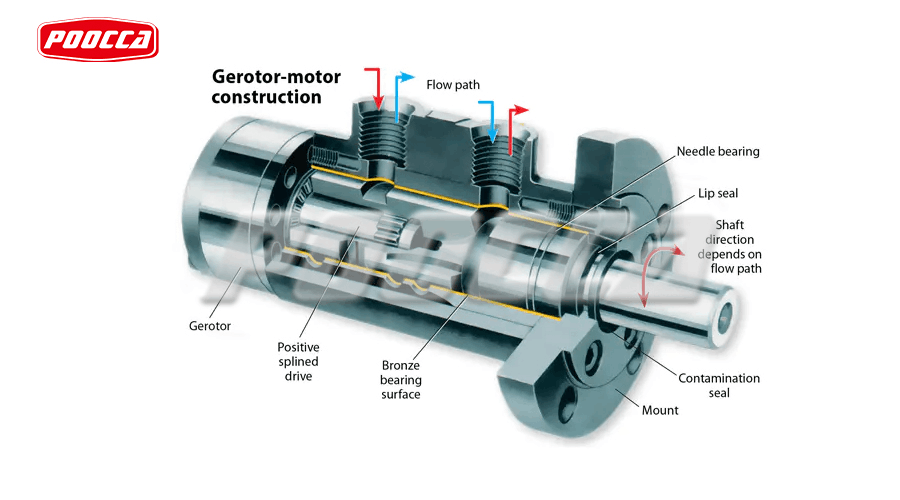
Hydraulic motors change hydraulic energy from pressured fluid into mechanical turning energy. Main parts cover the housing, input shaft, inside items like gears, vanes, or pistons, and the output shaft. Pressured fluid goes into the motor. It works with these insides. Then, it drives shaft turning.
Motor speed mainly rests on two things. One is hydraulic fluid flow rate (often in liters per minute or gallons per minute). The other is motor displacement (volume per turn, in cc/rev or in³/rev).
The basic rule for motor speed is:
N=QV N = \frac{Q}{V} N=VQ
Where:
- N N N = speed in revolutions per minute (RPM)
- Q Q Q = flow rate
- V V V = displacement
This link sets the base for all speed handling plans.
Methods of Controlling the Speed of a Hydraulic Motor
1. Flow Control Valves
Flow control valves act as one of the most common ways to set hydraulic motor speed. These valves change the fluid amount sent to the motor. This right away affects speed based on the rule above.
Fixed-orifice flow control valves keep a steady block. They send a set flow rate. They bring ease and low cost. But they cut change options.
Variable-orifice flow control valves allow live change of the gap. This makes exact and often speed shifts. They fit tasks that need steady tweaks.
Pressure falls over the valve need close watch. Too much fall can cut system work rate. It can also lead to stopping under weight.
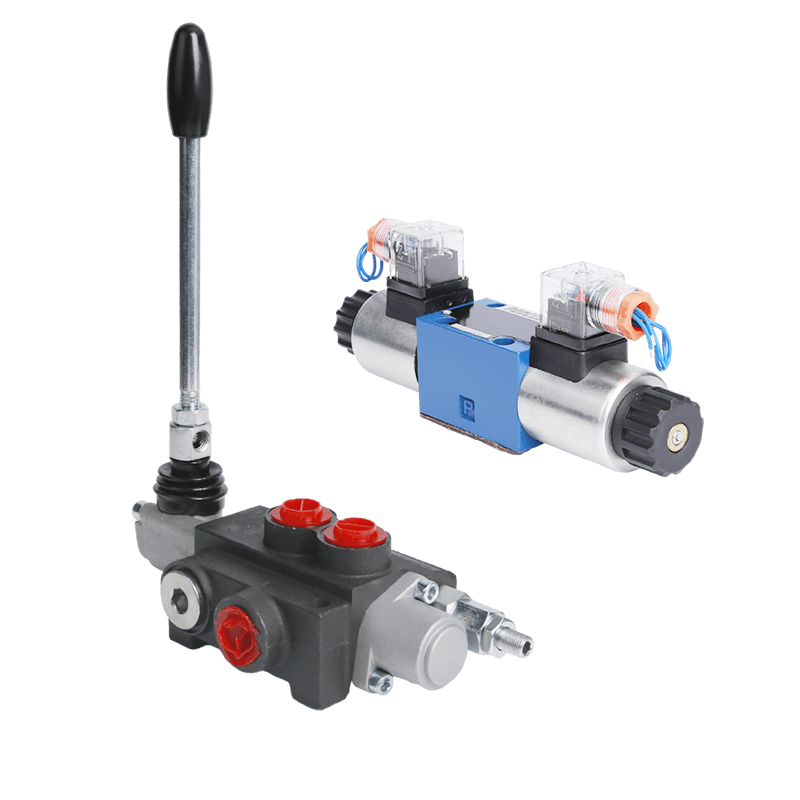
2. Pressure-Compensated Flow Control Valves
Pressure-compensated flow control valves build on basic types. They keep steady flow even with system pressure shifts from weight changes or pump swings. Built-in fix parts change the gap to hold output flow. This brings sure speed match in changing-weight spots. Such spots are usual in construction, mining, and material handling equipment.
3. Variable-Displacement Hydraulic Motors
Variable-displacement motors give another choice. They let change of displacement while flow stays the same. Cutting displacement raises speed for the same flow. Raising it lifts torque at slower speeds.
These motors bring wide speed spans and good work rate over run states. They work best for machines that need range. Examples are excavators, cranes, agricultural implements, and industrial presses. Many new builds, like axial piston and radial piston types, add this skill for better work.
4. Pump Control
Changing the hydraulic pump output sets motor speed from the start. Variable-displacement pumps shift output flow by altering their own displacement. Variable-speed drives on fixed-displacement pumps change turning speed.
This way gets exact set. It works well in closed-loop systems. It helps energy work rate by fitting supply to need. This cuts heat make and power use in hard tasks.
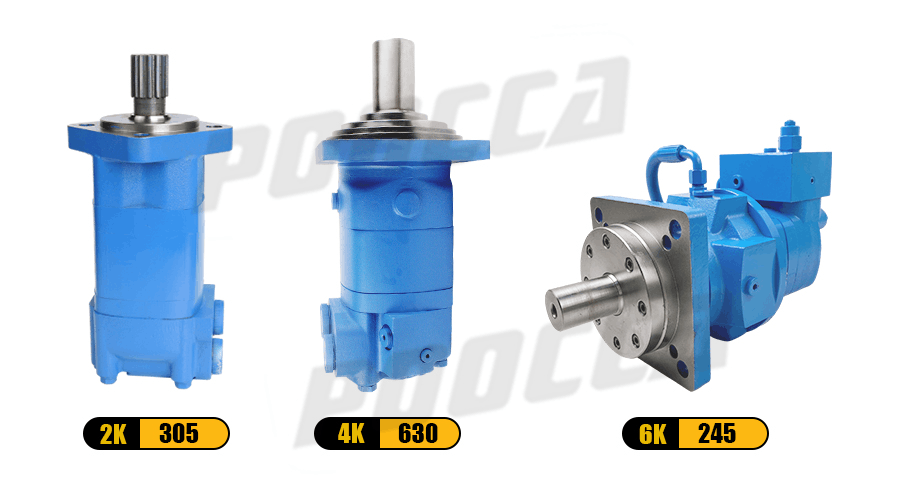
Additional Advanced Techniques for Enhanced Control
5. Servo and Proportional Valves
For top exact needs, servo valves or proportional directional control valves bring electric change of flow and pressure. They link with feedback sensors (position, speed, or pressure). This makes closed-loop control systems with great accuracy and quick response.
Such systems do well in automation, robotics, and CNC machinery. There, repeat speed paths count a lot.
6. Electronic and Digital Control Integration
New hydraulic systems more and more add electronic controllers, PLCs, or set drives for motor speed handling. These connect with sensors to watch live details. Then, they set valves or pumps to match. Gains cover set speed rises, overload guard, and fit into bigger automation nets.
Factors Affecting Speed Control
1. Viscosity of the Hydraulic Fluid
Fluid viscosity changes flow block. High viscosity slows flow and cuts speed. This happens most at low heat. Low viscosity brings inside leak and work loss. Picking right fluids with steady viscosity over heat spans, plus heat control steps, makes sure even work.
2. Load on the Motor
Bigger load calls for more torque. Not enough pressure or flow leads to speed cut or stopping. Systems must fit peak loads. This means right-sized pumps, motors with good torque levels, and relief valves for guard.
3. System Leakage
Inside and outside leakage cuts real flow to the motor. This lowers speed. Usual spots include worn seals, fittings, and valves. Stop care, top parts, and regular checks cut leakage effects.
4. Temperature Effects
Run heat changes fluid traits and part gaps. Too much heat thins fluid and speeds wear. Cold spots raise viscosity. Heat handling with coolers, heaters, or reservoirs keeps best states.
Applications of Speed-Controlled Hydraulic Motors
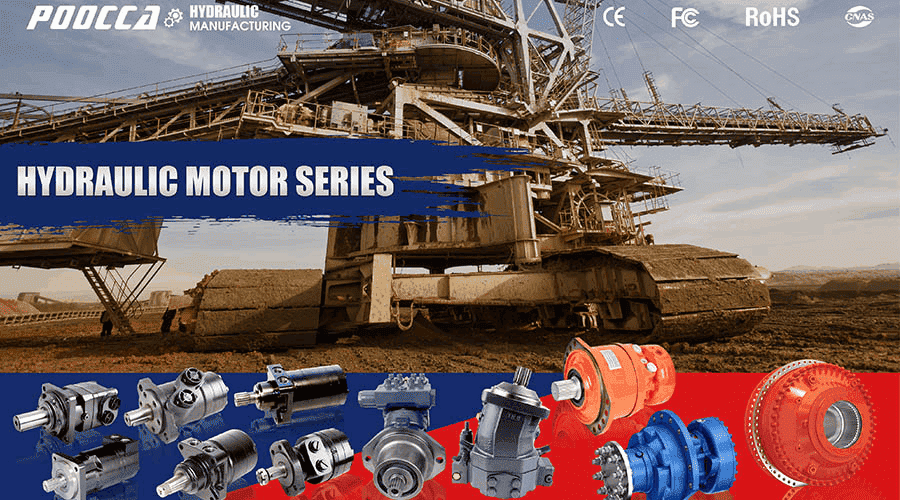
Speed-controlled hydraulic motors get use in many fields. Factory work uses them in machine tools for spindle or feed set. Construction machines like excavators and loaders count on them for exact boom, arm, and attachment moves. Farming uses them in tractors, harvesters, and irrigation systems. Other areas cover mining equipment, marine winches, material handling forklifts, and automotive testing rigs.
Conclusion
Good speed handling of hydraulic motors mixes flow set, displacement change, pump care, and system points. Picking the right way rests on task needs for exactness, span, work rate, and cost.
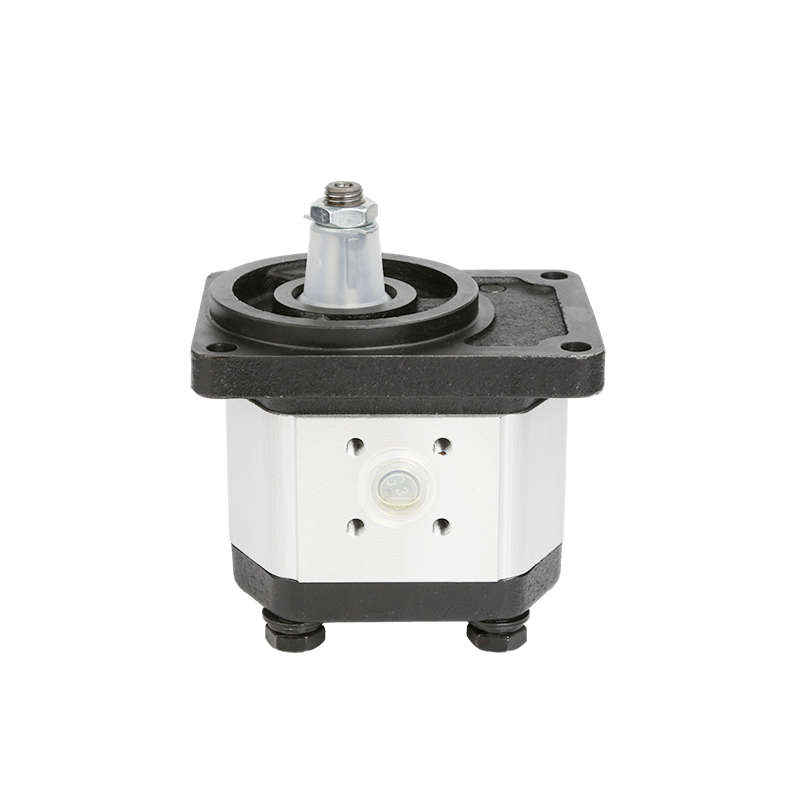
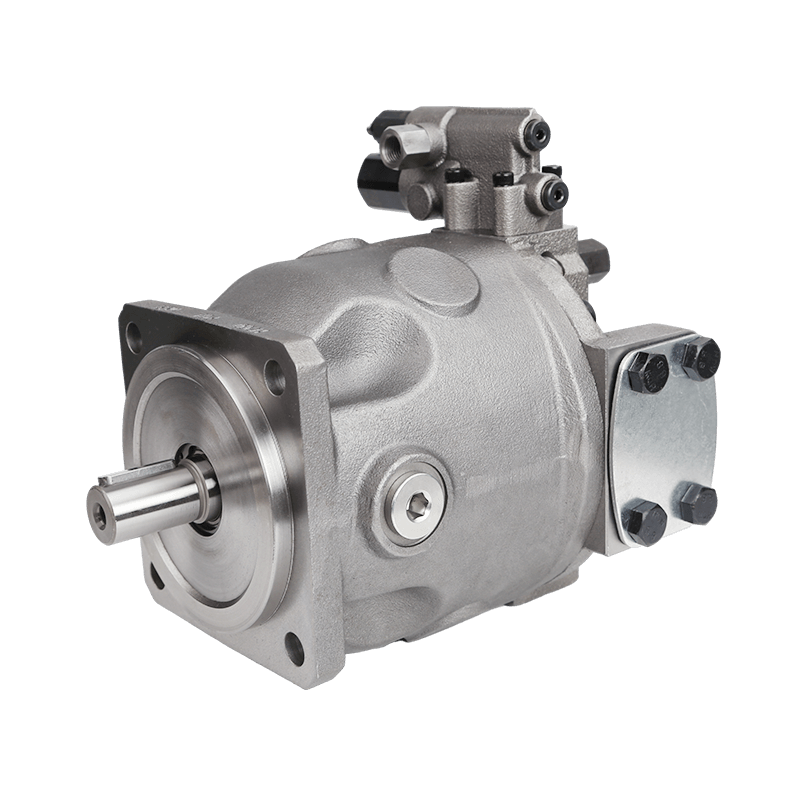
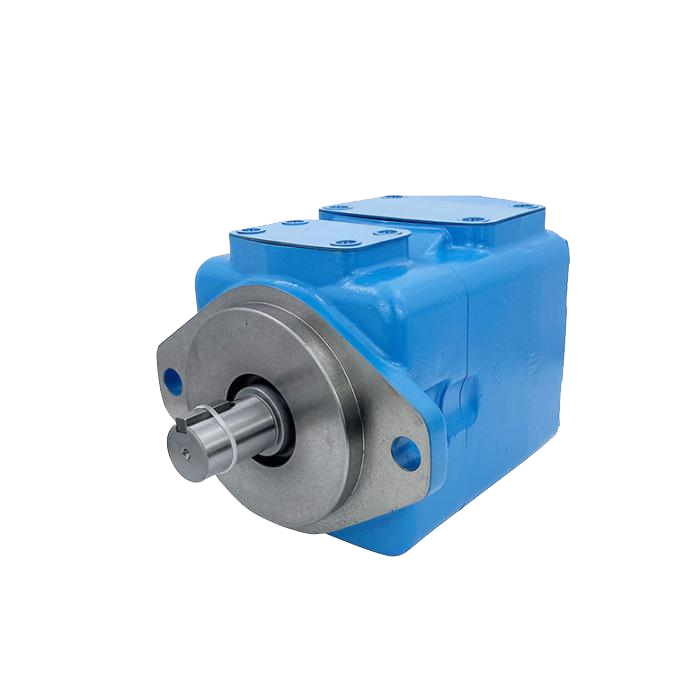
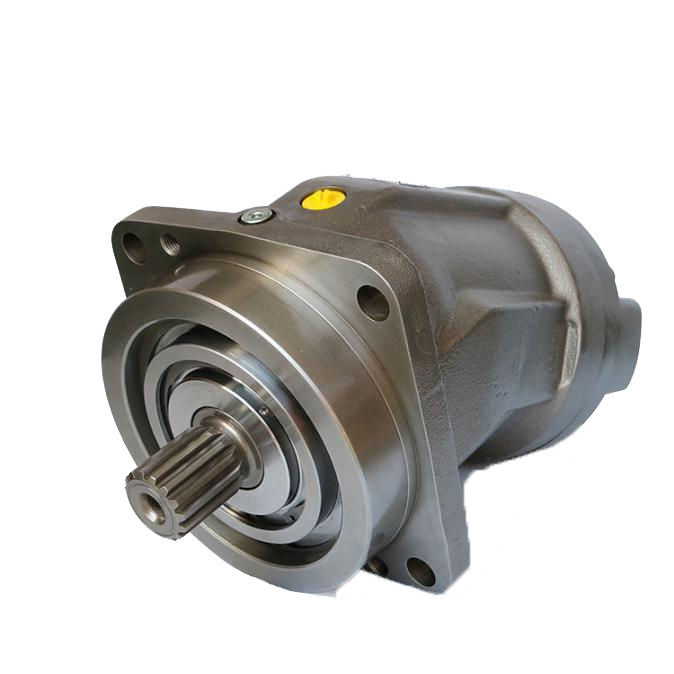
POOCCA established in 2006, stands as a comprehensive manufacturer and supplier specializing in hydraulic motors, including orbital (e.g., equivalents to Danfoss OMP/OMR/OMH), piston (e.g., Rexroth A2FM/A6VM, Parker F11/F12, Poclain MS/MSE), vane, and gear types. With manufacturing facilities across China, ISO certifications, a 12-month warranty, and exports to over 120 countries, POOCCA delivers reliable, high-performance solutions tailored to industrial needs.
FAQ
What is the primary formula for hydraulic motor speed?
The speed (N in RPM) is calculated as N = Q / V, where Q is flow rate and V is displacement.
Which method provides the most precise speed control?
Servo or proportional valves in closed-loop systems offer the highest precision, especially with electronic feedback.
How does load variation impact motor speed?
Increased load requires more torque; inadequate system capacity causes speed drops. Proper sizing and compensation prevent this.
Why is fluid viscosity important for speed stability?
Viscosity affects flow resistance and leakage. Consistent viscosity across temperatures ensures predictable speed.
Can variable-displacement motors improve energy efficiency?
Yes, they allow speed adjustment without constant flow changes, reducing overall power consumption.
Partner with a Trusted Hydraulic Motor Manufacturer and Supplier
Clients seeking dependable hydraulic motors benefit from direct collaboration with an established factory. POOCCA, as a leading manufacturer and supplier, offers a comprehensive range of orbital, piston, vane, and gear motors with competitive factory pricing, fast delivery, customization options, and full technical support. Contact the team today for quotations, product specifications, or tailored solutions to optimize hydraulic systems.
Reach out via: Email: sales@kamchau.com Phone/WhatsApp: +86 18927498997 Inquire now to enhance operational efficiency with proven hydraulic components from a dedicated manufacturer and supplier.