 English
 Russian
 Arabic
 Indonesian
 Turkish
 Vietnamese
 Polish
 German
 Malay
Malay Thai
Thai Kazakh
 Spanish
 Chinese (Simplified)
 Korean
 Italian
 Azerbaijani
 Dutch
Dutch French
 Romanian
 Portuguese
 Hindi
HindiHydraulic control valves play a key role in handling fluid flow, pressure, and direction inside hydraulic systems. These parts make sure machines work accurately in fields like construction, agriculture, manufacturing, and mining. A bad control valve can cause lower efficiency, sudden stops, and expensive fixes if you don’t catch it early.
Signs of a Failing Hydraulic Control Valve
Bad hydraulic control valves usually show clear warning signs before they break completely. Watching for these helps you fix them in time.
- The valve won’t change positions. The spool or part stays stuck and won’t move to neutral, extend, or retract. This locks actuators in one spot.
- Operation becomes uneven or jumpy. Pressure jumps up and down suddenly. Cylinders or motors move roughly. Flow changes all the time and actuators don’t work smoothly.
- Hydraulic fluid leaks out. You see wet spots around the valve body, ports, or seals. Inside leaks cause pressure to drop without any visible fluid.
- System performance gets weaker. Equipment moves slowly. It can’t reach full speed or full power. Target pressure or flow becomes hard to get.
- Strange noises appear. You hear hissing, whistling, or knocking sounds. These come from dirt, cavitation, or worn parts inside.
- The system gets too hot. Blocked flow or internal leaking makes the valve and nearby lines overheat.
- You see clear physical damage. Rust, cracks, or bent shapes show up on the valve housing or parts. This means serious wear.
These signs change a little depending on whether it’s a directional, pressure, or flow control valve, but they almost always point to problems with sealing or spool movement.
Causes of Hydraulic Control Valve Failures
Many things can make hydraulic control valves wear out. Knowing them helps you prevent trouble.
- Dirty fluid. Tiny particles, water, or old oil scratch spools and seals. This causes scoring, sticking, or clogs.
- Wrong installation or poor upkeep. Crooked fitting, too-tight bolts, or skipped filter changes speed up damage.
- Working past limits. Too much pressure, flow, or heat puts extra stress on inside parts.
- Normal aging. Seals, O-rings, and spools slowly break down after many cycles, especially in heavy-use machines.
- Cavitation or air bubbles. Air gets in or fluid level drops low. Bubbles burst and harm surfaces.
- Harsh outside conditions. Extreme heat, wetness, or corrosive stuff hurts the materials.
Regular oil testing and following the maker’s rules can make valves last much longer.
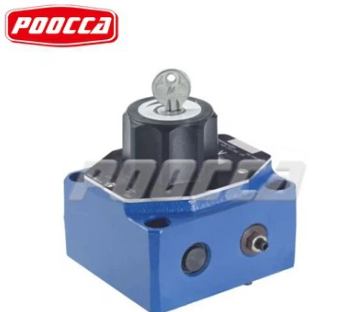
Troubleshooting a Faulty Hydraulic Control Valve
Step-by-step checks help you decide if the control valve is really the problem.
- Look for leaks with your eyes. Check ports, seals, and connections for any fluid marks.
- Test pressure. Put gauges on inlet and outlet. See if pressure drops or jumps compared to the correct numbers.
- Take a fluid sample. Look at the oil for dirt, changed thickness, or bad color.
- Watch the actuators. Run the connected cylinders or motors. Check if they move smooth and steady.
- Check electrics (on solenoid valves). Measure coil resistance and current. Compare with maker’s specs.
- Try manual override. If the valve has one, test if it moves by hand correctly.
- Measure flow. Use a flow meter. Make sure the rate matches what it should be.
Write down what you find. Look at the valve drawing or manual for more help. Often, cleaning or small fixes solve the issue. But if problems keep coming, you usually need a new valve.
Hydraulic Flow Control Valves 101
Flow control valves manage how fast hydraulic fluid goes to actuators. This directly controls speed and accuracy. They are different from directional or pressure valves because they focus on velocity.
Flow rate decides how energy moves in the system. The basic ideas are simple:
- Work = Force × Distance (how far the actuator moves).
- Power depends on flow rate at a certain pressure.
- More flow makes actuators go faster. This shortens cycle times.
Common types include needle valves for small adjustments, pressure-compensated ones for steady flow even when load changes, and priority valves that split flow between different circuits.
In machines like excavators or presses, good flow control keeps movements even and saves energy. Pairing them with variable pumps makes the whole system work better.
Brands like Vickers have always been known for strong flow control valves. They build them tough for hard jobs.
Why Reliable Control Valves Matter in Hydraulic Systems
Choosing good control valves saves money over time. You get fewer breakdowns and longer service periods. New valves come with features like proportional control for smooth changes and modular stacking for smaller setups.
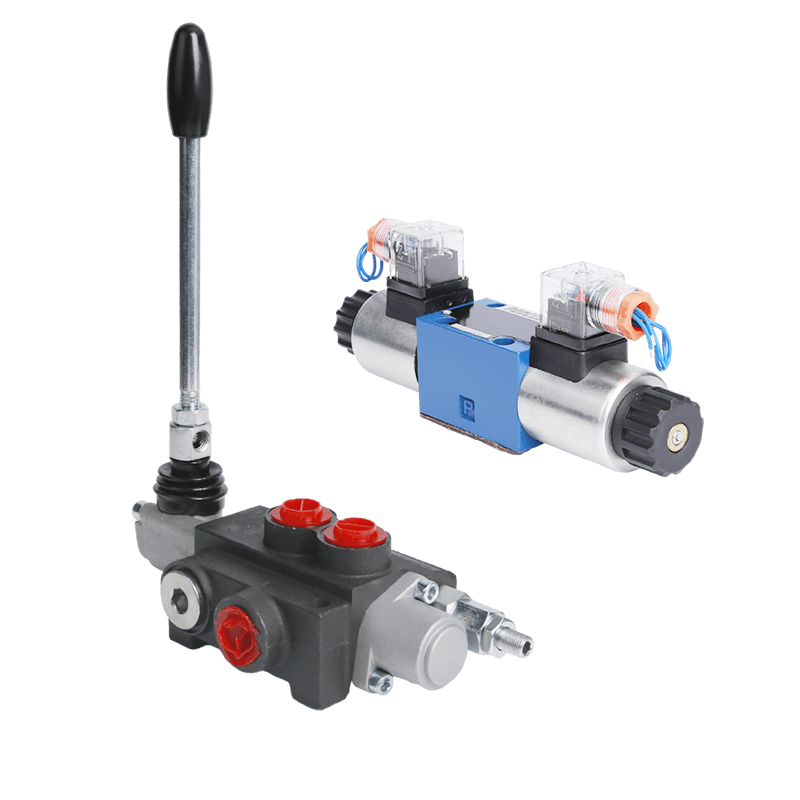
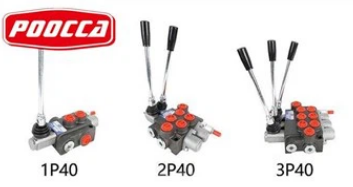
POOCCA stands out as a comprehensive hydraulic manufacturer, factory, and supplier specializing in directional, pressure, and flow control valves. With over 20 years of experience, POOCCA produces reliable components including series compatible with Vickers DG4V solenoid valves, Rexroth 4WE directional valves, and P40/P80/P120 monoblock valves. As a direct manufacturer and supplier, POOCCA ensures high-quality production, competitive pricing, and extensive stock availability for global distributors and OEM partners.
Frequently Asked Questions (FAQ)
How can contamination cause control valve failure?
Dirt or particles scratch spools and seals. This leads to sticking, leaking, or blockages that mess up normal work.
Is overheating a symptom or cause of valve issues?
Overheating usually comes from internal leaking or blockage, but it can also make seals wear out faster.
Can a faulty control valve be repaired, or should it be replaced?
Small problems like dirt may let you clean it, but worn inside parts normally need full replacement for safety.
What role do flow control valves play in speed regulation?
These valves limit fluid to actuators. They control movement speed directly, and compensated designs keep speed steady even when load changes.
Partner with a Trusted Hydraulic Manufacturer and Supplier for Control Valves
Distributors, OEMs, and equipment manufacturers seeking dependable hydraulic control valves benefit from partnering with an experienced manufacturer and supplier. POOCCA Hydraulic, as a leading factory and supplier, offers extensive ranges of directional, flow, and pressure control valves with proven durability and precision. Contact POOCCA today for quotes, custom solutions, or technical support to secure reliable components at factory-direct advantages.