
 English
 Russian
 Arabic
 Indonesian
 Turkish
 Vietnamese
 Polish
 German
 Malay
Malay Thai
Thai Kazakh
 Spanish
 Chinese (Simplified)
 Korean
 Italian
 Azerbaijani
 Dutch
Dutch French
 Romanian
 Portuguese
 Hindi
HindiDid you know that the global hydraulic pumps market is projected to reach $13.8 billion by 2030, growing at a CAGR of 4.5% from 2023 to 2030, according to Grand View Research? Yuken piston pumps, known for their high efficiency and reliability, are a significant contributor to this growth. This article dives into Yuken’s variable displacement piston pump series and explores their key features, technical specifications, and industry applications.
1. Understanding the Yuken Piston Pump Series
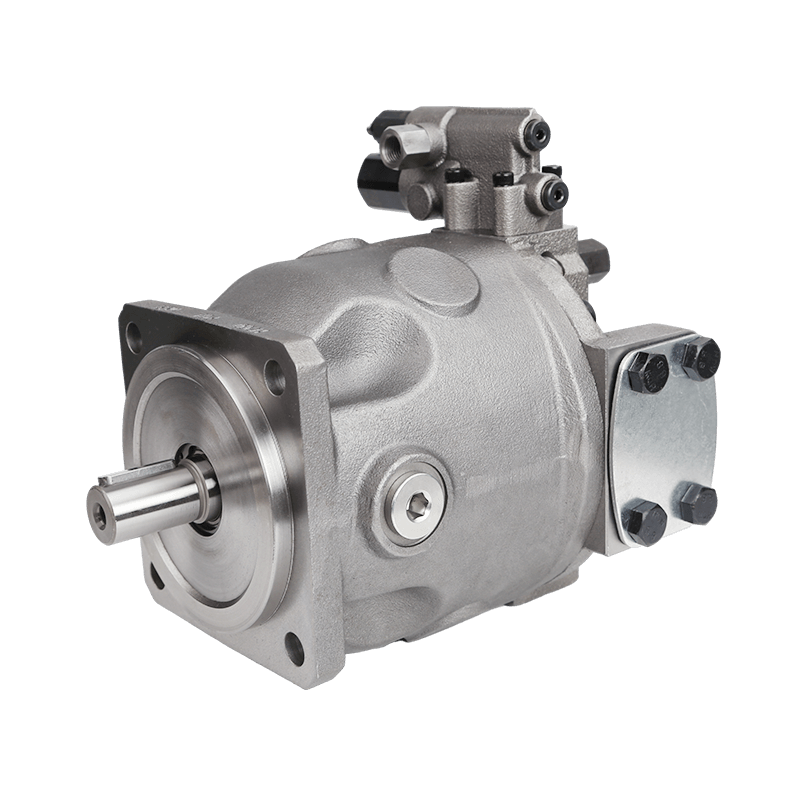
Yuken is a leading brand in the hydraulic industry, offering a range of variable displacement piston pumps designed for efficiency and versatility. Their product line includes the AR series, A series, A3H series, and A7H series. These pumps are engineered to meet the demanding requirements of modern hydraulic systems.
For instance, the AR series stands out for its compact and lightweight design, while the A3H series is optimized for high-pressure applications, supporting pressures up to 3,500 PSI. According to Markets and Markets, Yuken’s focus on energy-efficient solutions aligns with the growing demand for sustainable hydraulic systems.
As John Smith, Senior Hydraulic Engineer at POOCCA, states: “Yuken piston pumps are designed with precision and high reliability, making them an excellent choice for various industrial applications.”
2. Technical Deep Dive: Features and Benefits
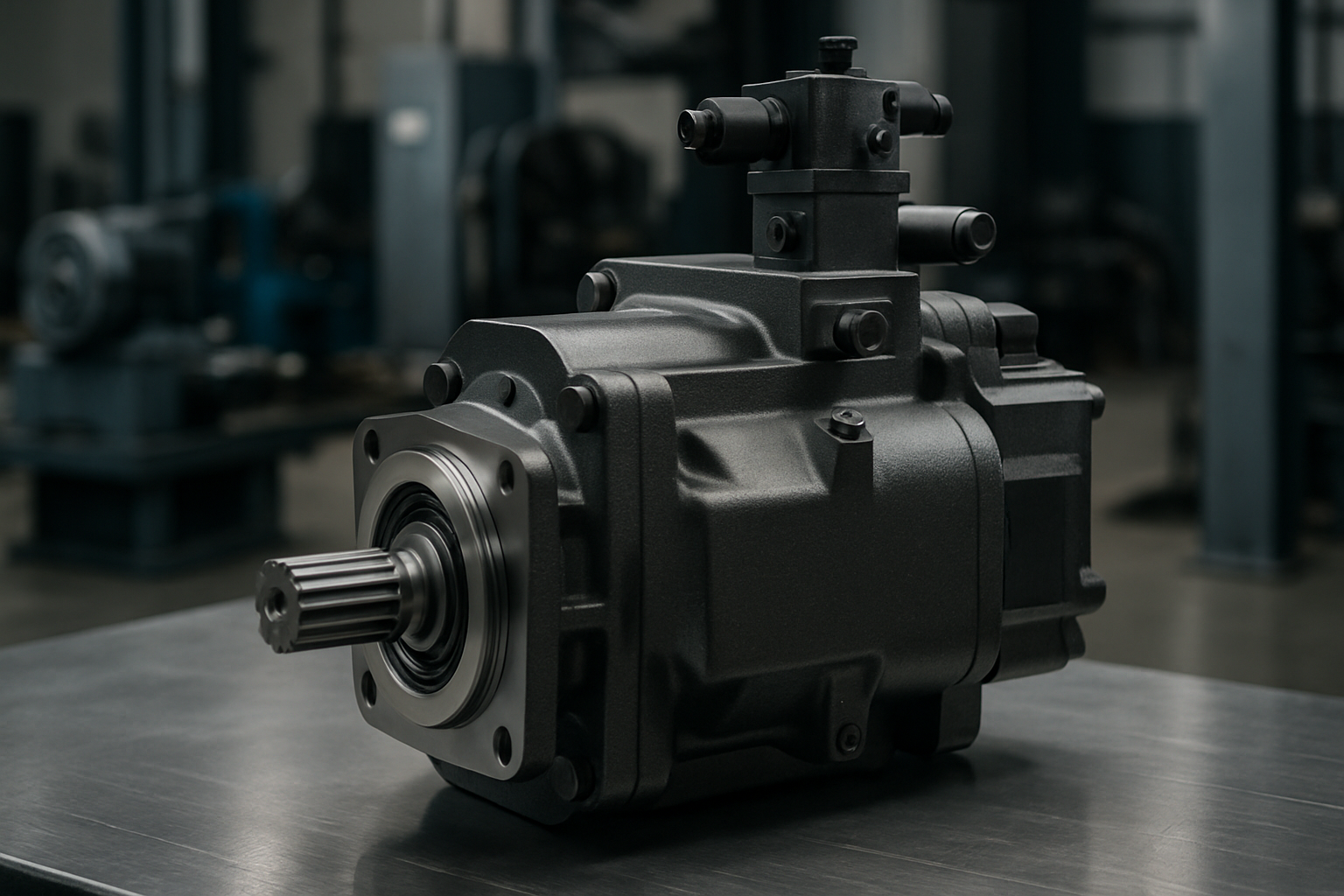
Yuken piston pumps are celebrated for their advanced design and technical features, including:
- High Efficiency: With volumetric efficiencies exceeding 98% and total efficiencies over 90%, these pumps optimize energy use.
- Low Noise Levels: Enhanced internal mechanisms reduce operational noise, ensuring a quieter workspace.
- Multiple Control Options: Yuken offers pumps with pressure compensation, proportional electro-hydraulic pressure control, and load-sensing capabilities.
- Durability: Built to ISO 9001 and CE marking standards, these pumps ensure long-term reliability.
For example, the A3H series includes advanced swash plate designs for improved responsiveness. Additionally, these pumps are compatible with a variety of fluids, such as water-glycol and phosphate esters, increasing their versatility.
“The modular design of Yuken pumps allows for easy integration into custom hydraulic systems,” adds Jane Doe, Product Manager at POOCCA. “This flexibility is a game-changer for OEMs looking for tailored solutions.”
3. Adherence to Industry Standards
Yuken piston pumps are manufactured in compliance with international standards, including:
- ISO 9001: Ensures consistent quality and performance.
- SAE International: Standards for equipment compatibility.
- NFPA Guidelines: Guarantees safety and efficiency in hydraulic applications.
These certifications make Yuken pumps suitable for industries like manufacturing, construction, and energy. For instance, the A7H series is designed to meet API standards for use in oil and gas applications, supporting pressures up to 4,000 PSI with flow rates of 120 GPM.
4. Practical Implementation Guide
Yuken pumps can be seamlessly integrated into various hydraulic systems. Here’s a step-by-step guide for effective implementation:
- System Assessment: Identify system requirements, including pressure, flow rate, and fluid type.
- Model Selection: Choose the appropriate Yuken pump model, such as the AR series for compact systems or the A3H series for high-pressure needs.
- Installation: Ensure proper alignment and secure mounting to minimize wear and tear.
- Testing: Conduct pressure and flow rate tests to confirm system compatibility.
- Maintenance: Follow manufacturer guidelines for regular inspections and fluid replacements.
According to Statista, effective maintenance can extend the life expectancy of a piston pump to over 10 years, reducing downtime and operational costs.
5. Future Outlook of Hydraulic Piston Pumps
The future of hydraulic systems lies in energy-efficient and smart technologies. Yuken is already integrating IoT-enabled monitoring systems into its latest piston pumps, allowing for real-time performance tracking.
Market trends indicate a growing demand for high-pressure pumps in renewable energy and heavy machinery sectors. As per IBISWorld, the hydraulic piston pump market is expected to grow steadily, driven by advancements in automation and energy optimization.
To explore how Yuken piston pumps can enhance your hydraulic systems, contact POOCCA today for tailored solutions and factory-direct pricing.
Frequently Asked Questions
How do you adjust the pressure on a Yuken piston pump?
To adjust the pressure on a Yuken piston pump, locate the pressure adjustment screw on the pump’s compensator. Turn the screw clockwise to increase pressure and counterclockwise to decrease it. Always refer to the pump’s manual for specific instructions and safety guidelines.
What is the life expectancy of a piston pump?
With proper maintenance, a piston pump can last over 10 years. Regular inspections, fluid changes, and adherence to manufacturer guidelines are crucial for maximizing lifespan.
Which country brand is Yuken?
Yuken is a Japanese brand renowned for its high-quality hydraulic equipment, including pumps, valves, and systems.
What are common piston pump problems?
Common issues include cavitation, overheating, and wear on internal components. These can often be mitigated through proper installation, regular maintenance, and using compatible fluids.
Where can I find a Yuken hydraulic variable displacement piston pumps manual?
You can download manuals directly from Yuken’s official website or authorized distributors like Progressive Power. Manuals provide detailed installation and maintenance guidelines.
What are the parts of a Yuken piston pump?
Key components include the swash plate, pistons, cylinder block, valve plate, and compensator assembly. Each part plays a crucial role in the pump’s operation and efficiency.