
 English
 Russian
 Arabic
 Indonesian
 Turkish
 Vietnamese
 Polish
 German
 Malay
Malay Thai
Thai Kazakh
 Spanish
 Chinese (Simplified)
 Korean
 Italian
 Azerbaijani
 Dutch
Dutch French
 Romanian
 Portuguese
 Hindi
HindiExcavators perform strong and exact movements on tough jobsites with the help of advanced hydraulic systems. The axial piston pump sits at the center of these systems. It changes mechanical energy from the engine into steady hydraulic flow and pressure. This pump supports smooth boom lifts, careful bucket control, steady swinging, and efficient track movement. It works well even when loads change or conditions turn harsh.
The axial piston pump offers good efficiency, variable displacement options, and steady performance at high pressures. Modern excavators depend on it to manage different tasks. These tasks range from light grading to heavy digging. The pump avoids extra energy loss or too much heat. Knowledge of its design, operation, and connection with excavator hydraulics shows why it forms a basic part in construction machinery performance.
What Is an Axial Piston Pump?
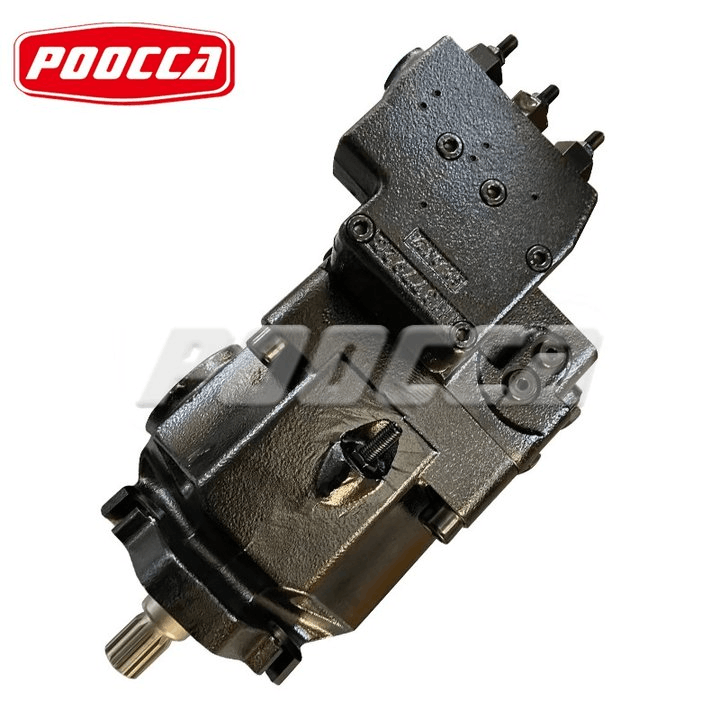
An axial piston pump acts as a positive displacement pump that creates controlled hydraulic flow and pressure. Pistons sit in a circular pattern inside a rotating cylinder block. They line up parallel to the drive shaft axis. This setup gives the name “axial.” The arrangement creates a compact design. It also provides high power density. These features make the pump suitable for mobile equipment like excavators. Space and weight limits matter in such machines.
Axial piston designs reach better volumetric efficiency than gear or vane pumps. They manage higher pressures. These pressures often go above 400 bar in heavy-duty uses. The pump includes a variable displacement feature. It changes output flow to meet system needs. This action improves energy use and cuts fuel consumption in excavators that face changing loads.
Key characteristics include:
- High-pressure ability with exact flow control.
- Compact inline or bent-axis setups for simple integration.
- Compatibility with many hydraulic fluids and working temperatures.
These features make axial piston pumps the top choice for main hydraulic circuits in tracked excavators.
How Axial Piston Pumps Work: The Core Principle
Axial piston pumps turn rotational mechanical input from the excavator’s engine into pressurized hydraulic fluid. They do this through coordinated piston movement back and forth.
Main Components
Several important parts work together to support reliable operation:
- Drive Shaft: It connects directly to the engine or power take-off. The shaft rotates the cylinder block at high speeds.
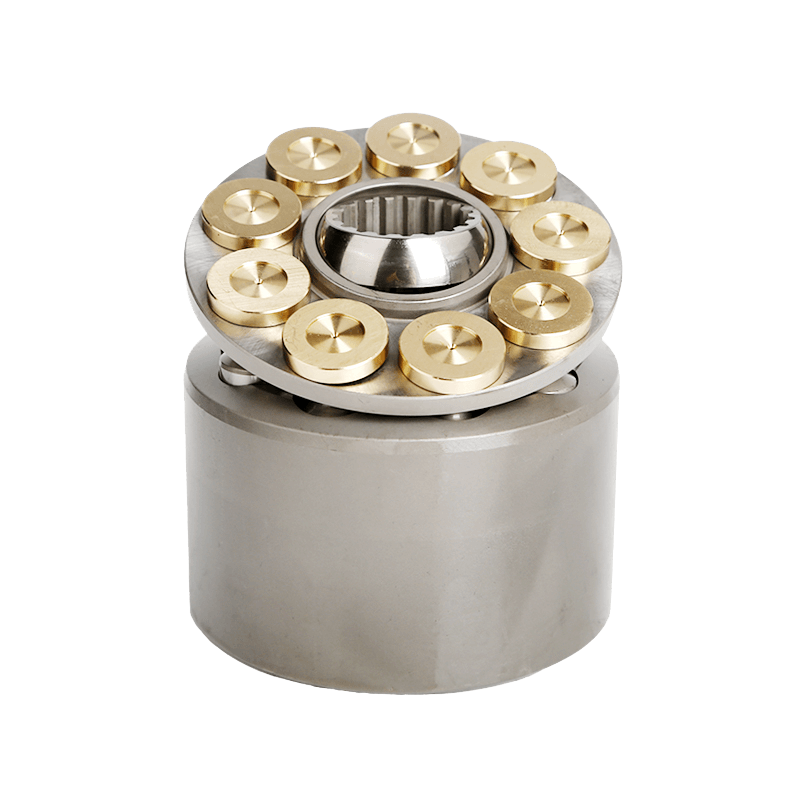
- Cylinder Block (Barrel): It holds multiple pistons. The number is usually 7 to 11. An odd number often helps smooth operation. The pistons sit in a circular array. The block rotates with the shaft. It keeps proper alignment.
- Pistons and Piston Shoes: Pistons move along their axis inside the bores. Shoes at the piston ends slide on the swash plate. This action changes rotational motion into linear stroke.
- Swash Plate: It is a tilted plate that does not rotate. The plate sets the piston stroke length. A change in its angle varies displacement and therefore flow rate.
- Valve Plate: This stationary plate has inlet and outlet ports. It guides fluid into cylinders during suction. It also directs fluid out during discharge while the block rotates.
- Control Mechanism: Hydraulic, mechanical, or electro-hydraulic systems tilt the swash plate. They regulate output according to load and pressure signals.
Other parts like bearings, housings, and seals add durability. They help the pump last under continuous high-speed and high-pressure conditions.
The Operating Cycle
The drive shaft rotates the cylinder block. Piston shoes follow the angled swash plate surface. This motion creates reciprocating action.
- Suction Phase: A piston pulls back when it moves toward the swash plate’s low point. Cylinder volume grows. The action draws hydraulic fluid through the valve plate’s inlet port. Reservoir pressure helps this step.
- Discharge Phase: Rotation continues. The piston moves forward toward the high point. Volume shrinks. The action pushes fluid out through the outlet port at high pressure.
Each revolution finishes a full cycle for every piston. Positive displacement gives a known volume per stroke. The swash plate angle controls total output flow directly. At zero angle, displacement comes close to zero. This action lowers flow when demand drops.
Flow rate depends on three main factors. These are swash plate angle for displacement, rotational speed in RPM, and system pressure. This link lets the pump match output exactly to excavator actuator needs.
Variable Displacement vs. Fixed Displacement
Fixed displacement pumps give constant flow per revolution. They fit simpler systems. Yet they waste energy under light loads. Variable displacement axial piston pumps change the swash plate angle as needed. When the excavator needs more power during heavy lifting, the control system raises the angle. This creates higher flow. Under lighter conditions, the angle drops. The change saves energy and limits heat. Most excavators use variable designs. They gain efficiency across varied operating cycles.
Swash Plate vs. Bent Axis Designs
Inline swash plate setups appear most often in excavator applications. They provide compact size and easy integration with multi-pump arrangements. Bent axis designs tilt the whole cylinder block in relation to the shaft. This reduces side loads and friction. The result can bring higher efficiency and lower noise. Still, swash plate types give better packaging and quicker response in machines with limited space like excavators.
Types of Axial Piston Pumps Used in Excavators
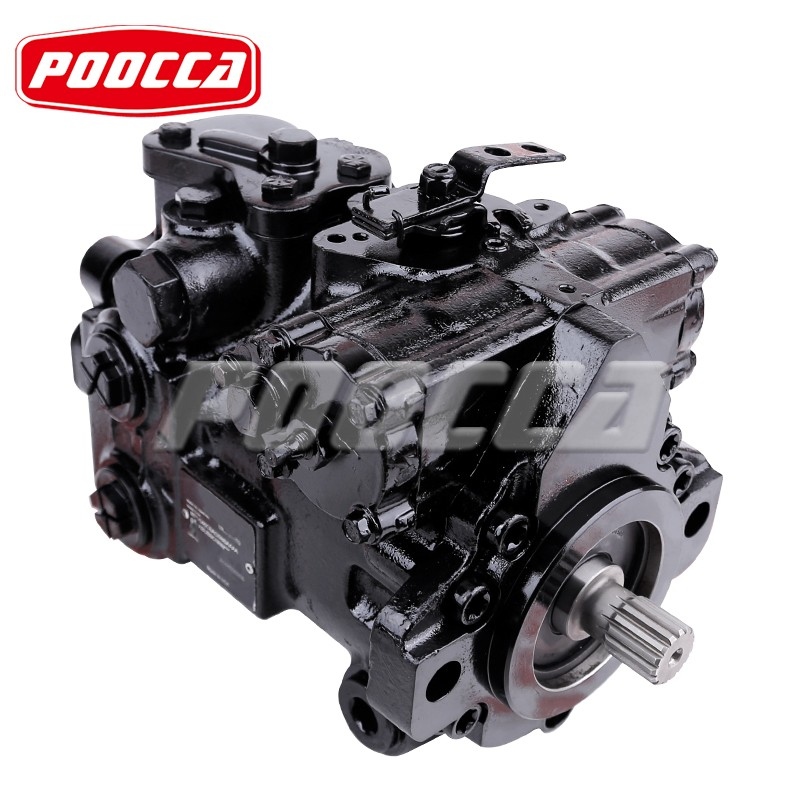
Excavators often combine several axial piston pump variants. Each one is optimized for specific jobs.
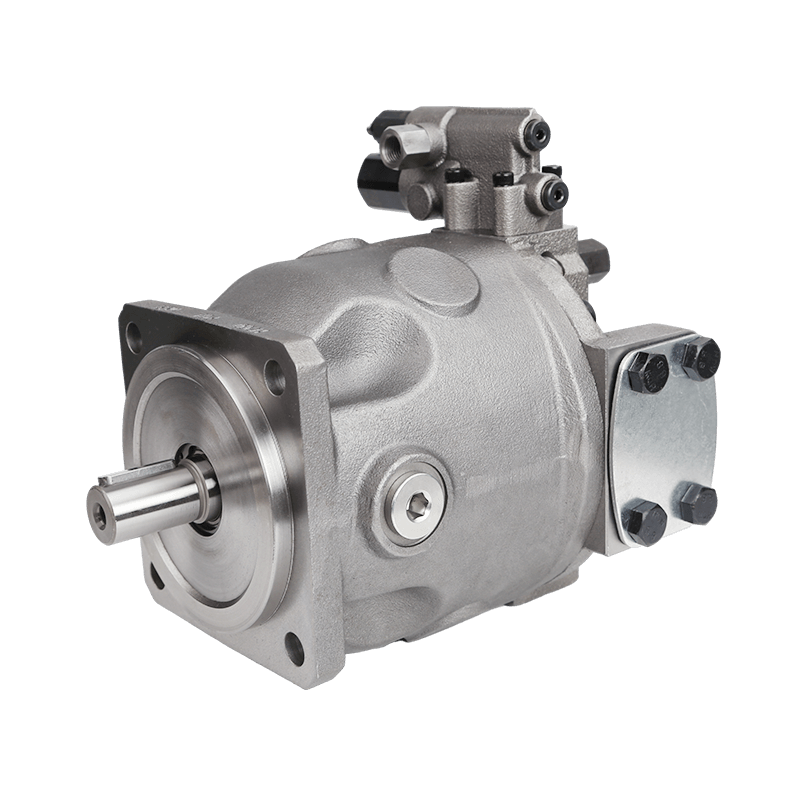
Open-circuit variable displacement pumps, such as those in the Rexroth A10VSO or A11VO series, act as main pumps. They supply flow to boom, arm, bucket cylinders, and swing motors. These pumps include load-sensing or pressure-compensated controls. The controls support on-demand performance.
Closed-circuit pumps drive propel systems or auxiliary functions. They keep bidirectional flow with high torque at low speeds.
Manufacturers also supply through-shaft (tandem) configurations. Two or more pumps mount on a common shaft. A single engine input drives them. This setup delivers independent circuits. One handles travel and the other manages work functions. It saves space and weight.
Popular compatible models include Parker PV/PVP series, Vickers PVH, Yuken A/AR series, Nachi PVS, Danfoss D1P/TVW, and Kawasaki units. Displacements range from small values like 16 cm³/rev for auxiliary systems to larger sizes up to 270 cm³/rev or more for main circuits in heavy excavators. High-strength alloy bodies, hardened pistons, and strong seals ensure long life in dusty, high-vibration environments.
Why Excavators Depend on Axial Piston Pumps
Excavator hydraulic systems send power from the pump to several actuators at the same time. The axial piston pump provides pressurized fluid to:
- Linear cylinders for boom, arm, and bucket movements. These need high force at controlled speeds.
- Axial piston motors for swing and travel functions. Smooth torque delivery prevents jerky operation.
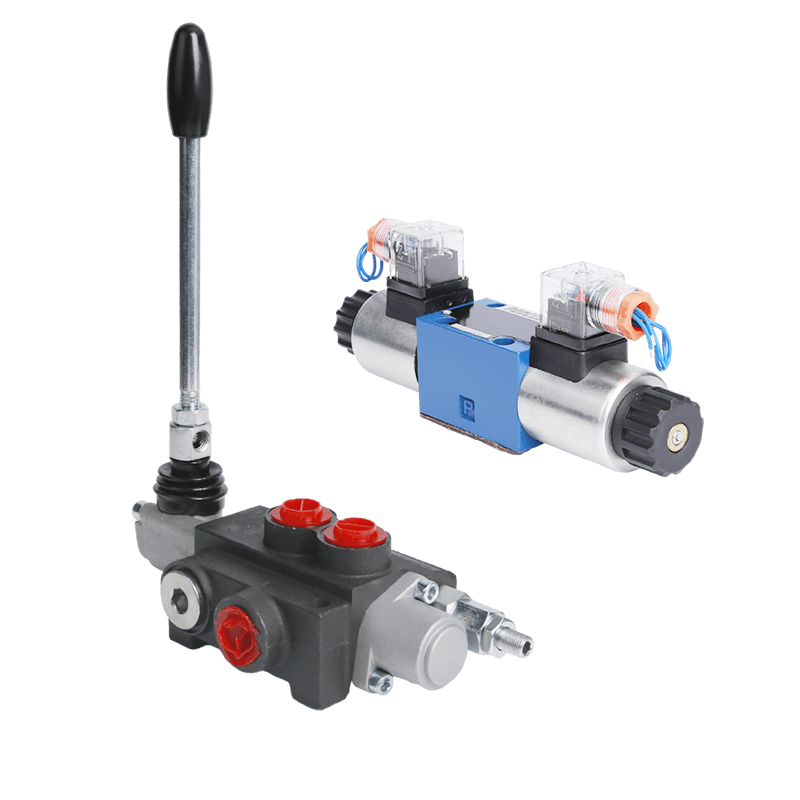
- Pilot and control valves that adjust overall system behavior.
Variable output matches real-time demand. Flow increases during simultaneous movements or heavy loads. It decreases during idling or fine grading. This quick response improves operator control, productivity, and machine stability on uneven terrain.
The pump also adds to overall system efficiency. It cuts unnecessary flow. As a result, it lowers engine load, reduces fuel consumption, and limits hydraulic oil heating. These benefits matter during long operation in hot climates or tight spaces.
In propel circuits, stable pump pressure supports consistent track speed and climbing ability. These factors affect machine maneuverability and safety directly.
Advantages of Axial Piston Pumps in Excavator Applications
Axial piston pumps deliver several performance benefits:
- High Efficiency: Volumetric efficiencies often exceed 95 percent. Mechanical efficiencies support overall system gains.
- Pressure Capability: Reliable operation at 350–450 bar supports strong digging without cavitation or pressure drops.
- Dynamic Response: Quick swash plate adjustment gives instant flow changes. This supports smooth and productive operation.
- Compact Power Density: High output comes in a relatively small package. It fits tight engine compartments.
- Versatility: Variable displacement and multiple control options fit different excavator sizes and tasks. These range from compact models to large mining units.
These benefits lead to higher uptime, better fuel economy, and improved digging or lifting capacity compared with other pump technologies.
FAQ
How does variable displacement benefit excavators?
Variable displacement allows the pump to match flow precisely to load requirements. This improves fuel efficiency, reduces heat, and enhances control during mixed operations.
Can axial piston pumps operate in both open and closed circuit systems?
Yes. Open-circuit versions are common for excavator work functions. Closed-circuit designs suit propel or winch applications that need bidirectional flow.
Are there fixed displacement axial piston pumps used in excavators?
Fixed displacement units appear in auxiliary or simpler circuits. Variable displacement types dominate main systems for better efficiency and performance.
Conclusion
Business seeking high-quality axial piston pumps for excavator production or aftermarket support can source reliable components from established hydraulic specialists. POOCCA functions as a manufacturer, supplier, and factory. It offers a broad selection of axial piston pumps. This includes compatible replacements and custom solutions. With competitive factory-direct options, technical support, and timely delivery, POOCCA helps maintain excavator performance across global projects. Contact the team via phone at +86 18927498997, WhatsApp, or email at sales@kamchau.com to discuss specific requirements and product availability.