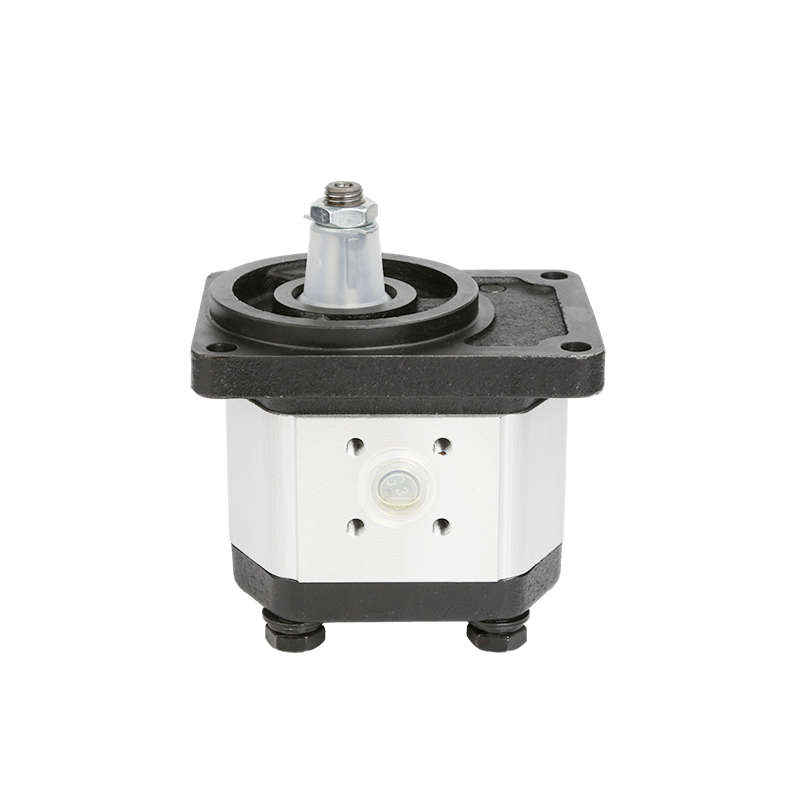
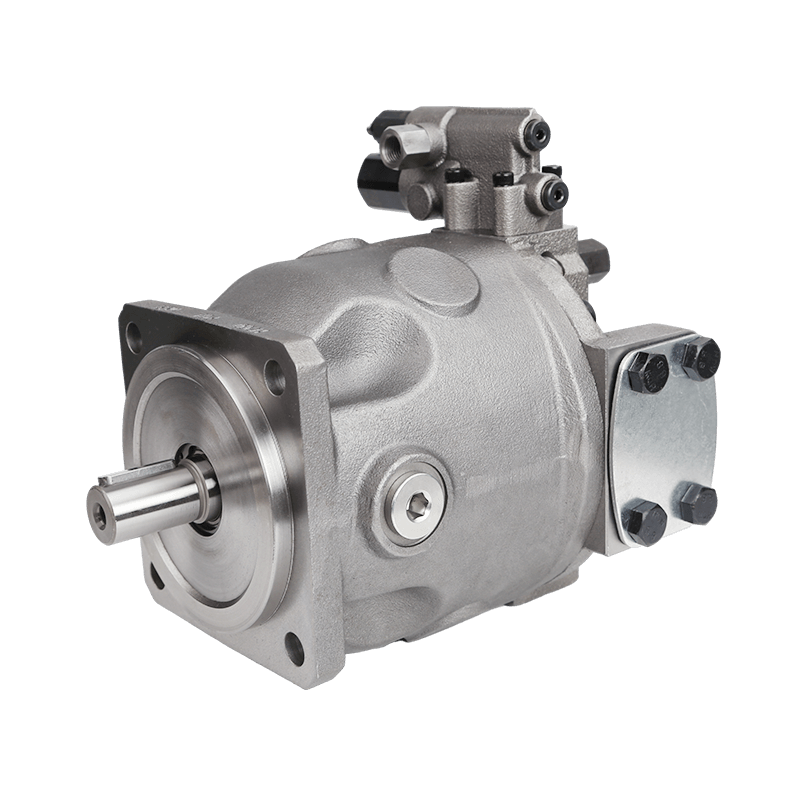
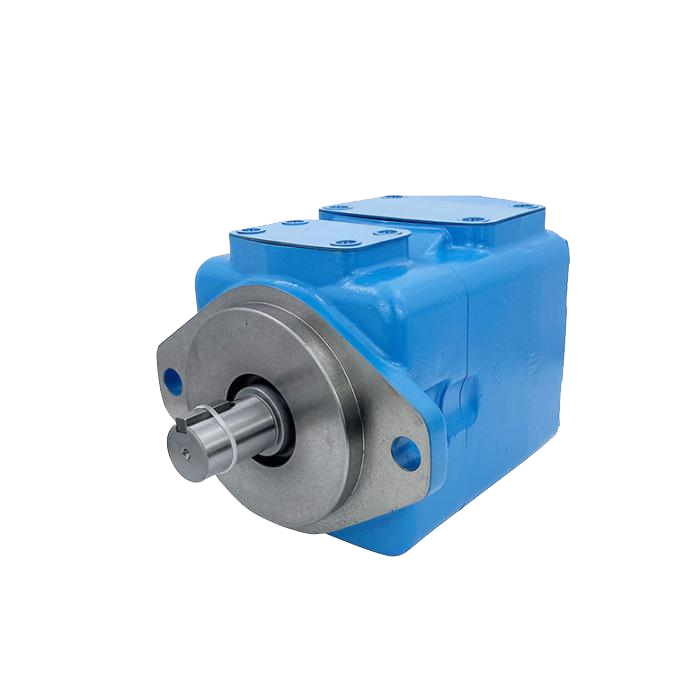
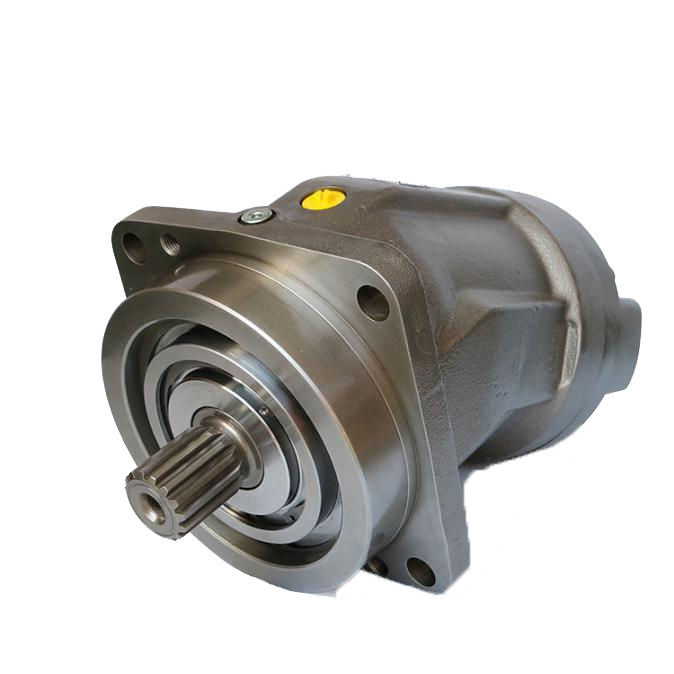
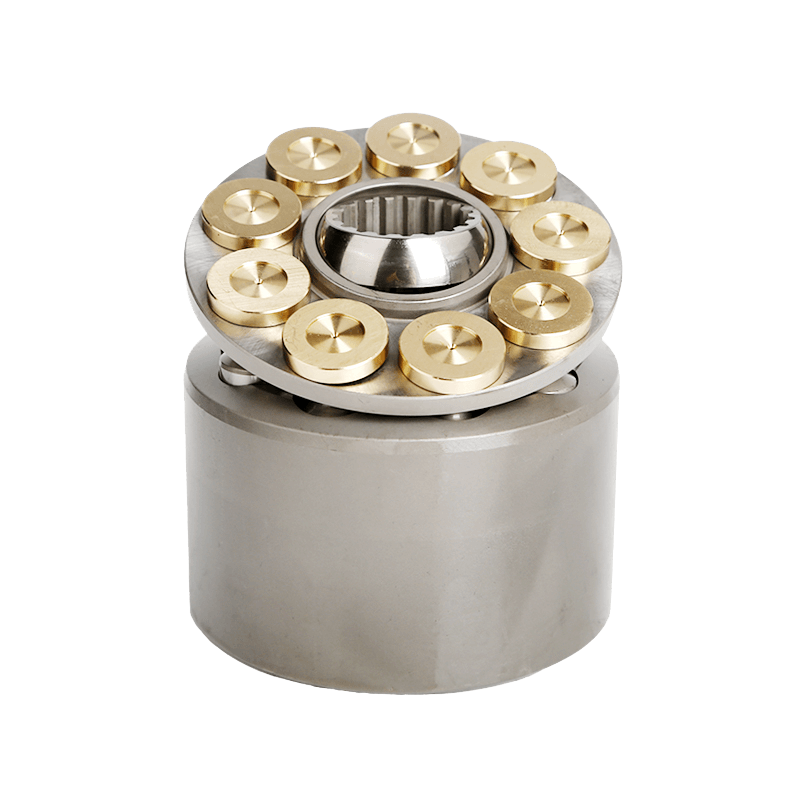
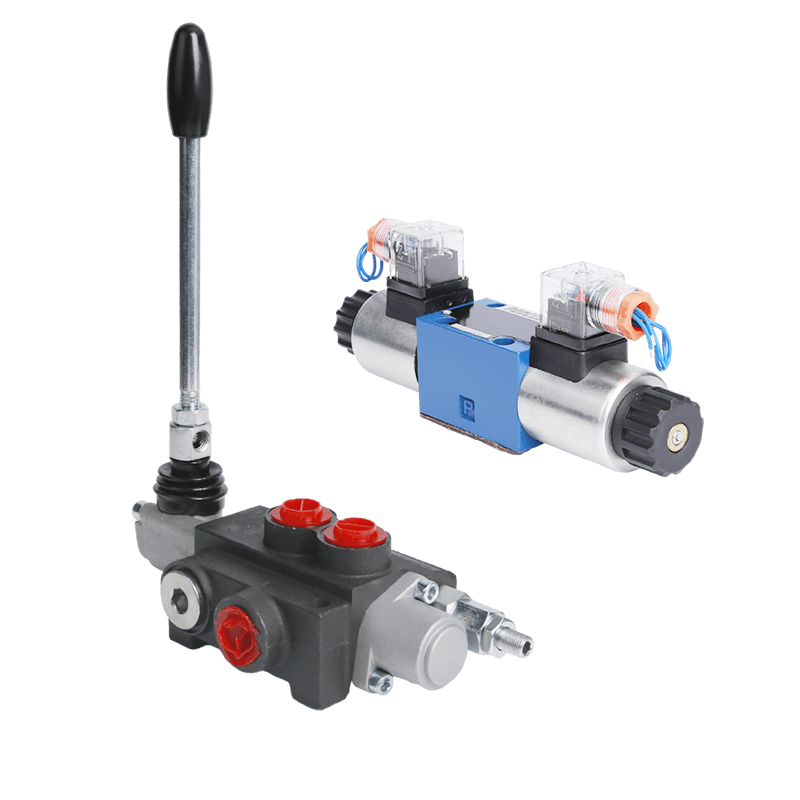
Hydraulische pompen act as the main power source in construction machines. They push fluid to move parts in excavators, wheel loaders, and dozers in tough working conditions. Even though they are built strong, these parts still wear out over time. This wear can cause problems that affect the whole hydraulic system. Finding issues early helps avoid expensive repairs. It also makes equipment last longer and cuts downtime on job sites. This guide covers the main things to check, usual reasons for failure, and simple upkeep tips to keep everything working well.
How Do I Know if My Hydraulic Pump is Failing?
Spotting the first signs of trouble needs careful watching of small changes in how the machine runs. These clues usually show up slowly. That gives time to fix things before big damage happens.
Leaks in Seals and Connections
Oil dripping around seals or fittings is one of the clearest signs something is wrong. You might see wet spots or dirty oil clumps near joints. That usually means fittings are loose or seals are worn out. Internal leaks are tougher to notice. They happen when fluid slips past places it should not go. This lowers how well the pump works. A quick look behind cover panels often catches these problems soon. It stops fluid loss that drops system pressure.
Loud Noises, Whining Sounds, or Knocking
Strange sounds coming from the pump area need fast attention. A high-pitched whine often means cavitation. That is when tiny air bubbles burst inside the fluid. It can also come from too much air mixed in the oil. Knocking usually points to worn gears or bad bearings. Operators who know the normal sound can tell when something is off. These noises get louder under heavy load and warn that parts might fail soon.
Hot to the Touch
Too much heat is a serious warning. The pump should not feel burning hot after long work periods. If the surface goes over 180°F (82°C), check it right away. High heat makes oil thinner, hurts seals faster, and can cause bigger problems. A simple touch test or infrared thermometer during breaks shows if friction or blocked flow is the cause.
Jumpy or Erratic Movement
Sudden jerky moves in booms or buckets often come from the pump. The machine might act rough or uneven. This happens because pressure or flow is not steady. It can feel like a cylinder or valve problem, but many times the pump is the real source. Keeping records during normal tests helps pinpoint if the pump is causing the trouble.
What are the Most Common Causes of a Hydraulic Pump Failure?
Knowing why pumps break helps stop problems before they start. Dirt, normal wear, and working the pump too hard cause most failures in construction machines.
Contamination in the Pump
Dirt particles or water getting into the oil ruin how the system works. Water makes oil thinner, rusts metal parts, and stops proper cooling. Small bits of debris scratch surfaces and wreck seals quickly. Good filters that catch tiny particles keep the inside clean and let fluid move smoothly.
Failing Seals
Seals face constant high pressure. Over months or years they crack or get hard. Leaking seals let oil escape outside or slip inside where it should not. This makes the pump work harder and use more power. Choosing seals that match the oil type helps them last longer. Tightening fittings on schedule also stops early damage.
Overpressure and Overloading
Going past the maker’s pressure or load limits hurts parts fast. Even short bursts can tire pistons and housings. Relief valves help, but running too hard all the time wears everything out. Picking the right pump size for the real job—like heavy digging or light grading—keeps things safe.
Air in Pump and in Fluid
Too much air, over 10%, makes the oil act spongy. This causes noisy cavitation and loss of power. Air gets in during filling or from cracked hoses. Proper bleeding and good tank design keep air levels low. That gives steady performance for gear, piston, or vane pumps.
Low Oil, Incorrect Oil, or Too Much Oil
Wrong oil level hurts priming and lubrication. Too little oil causes cavitation at the inlet. Too much causes foaming and extra air. Using the wrong grade—like ISO VG 46 instead of VG 32—changes how fluid flows. Always follow factory advice and adjust for cold or hot weather.
How do I Maintain My Hydraulic Pump?
A good daily and scheduled care plan protects pumps from most common issues. Doing the same steps every time brings clear gains in uptime.
Check Oil Often and Replace on Schedule
Look at oil level and color before every shift. Change it fully every 1,000-2,000 hours or when the maker says. Draining old oil shows metal bits that mean wear is starting. Oil sample tests find acid or dirt that eyes cannot see.
Use the Right Oil for the Machine and the Environment
Factory manuals list the correct oil type. On dusty sites, extra anti-wear additives help. Always check charts before switching brands to avoid swollen seals or rust.
Keep A Clean Machine
Mud and dust trap heat and let dirt get inside. A quick wash after work clears breather caps and ports. Covers during parking keep rain and dust out.
Inspect Hydraulic Hoses
Look for cracks, soft spots, or worn covers on hoses. Yearly pressure tests and checking routing stop sudden bursts. Good quick couplers make safe hose changes fast.
Perform a Post-Mortem on a Failed Pump
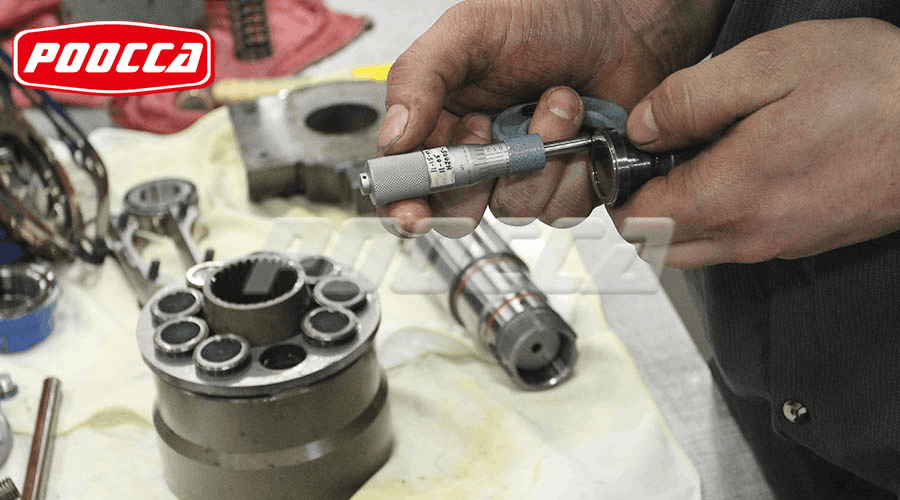
Cutting open a broken pump teaches a lot. Scratch marks point to dirt. Even wear shows old age. Notes from each failure help improve the whole fleet.
In tough construction work, hydraulic pumps need constant care. This simple system helps teams spot trouble fast, fix root causes, and keep machines running strong.
FAQ
What are the early warning signs of a failing hydraulic pump in construction equipment?
Early signs include oil leaks around seals, strange whining or knocking sounds, the pump running too hot, and rough machine movements. These clues usually appear before complete breakdown.
How does contamination affect hydraulic pump performance?
Dirt or water in the oil damages parts, changes thickness, and creates cavitation. This hurts efficiency, speeds up wear, and can ruin the whole system if ignored.
Why do seals fail in hydraulic pumps?
Seals wear from steady high pressure, wrong oil type, or simply getting old and stiff. Bad seals leak fluid, drop pressure, and make the pump work extra hard.
What role does air play in hydraulic pump issues?
Extra air makes fluid compressible, creates noise, and cuts power. It also erodes metal through cavitation and upsets smooth operation.
How often should hydraulic oil be checked and changed?
Check levels every day. Change oil fully every 1,000 to 2,000 hours following factory advice. Testing samples during changes catches problems early.
Can overloading a hydraulic pump cause immediate damage?
Yes, going over rated pressure or load quickly tires parts and can crack or seize them. Relief valves help once, but repeated overload shortens life fast.
What maintenance steps prevent most hydraulic pump failures?
Daily oil checks, correct fluid choice, keeping the machine clean, regular hose inspection, and learning from failed units build a strong defense. Prevention always beats repair.
Partner with Leading Manufacturers and Suppliers POOCCA for Reliable Hydraulic Solutions
Construction jobs run best with trustworthy hydraulic parts. Buying from proven manufacturers and suppliers POOCCA brings perfect fit and long service. POOCCA factory make large quantities supply gear pumps, piston pumps, vane pumps, motors, valves, and cylinders that match OEM standards. They hold ISO certifications and give 12-month warranties. Stock covers more than 1,600 SKUs. They ship to over 100 countries with yearly sales above USD 16 million. POOCCA also offer custom work for excavators, loaders, and dozers. Buying direct cuts cost, speeds delivery, and includes technical help for upgrades. For manufacturers and suppliers wanting solid, scalable hydraulic solutions, team up with partners focused on quality and fast service. Neem vandaag nog contact op met Pookca to talk about options made for your machines.