
What Is a Hydraulic Flow Control Valve?
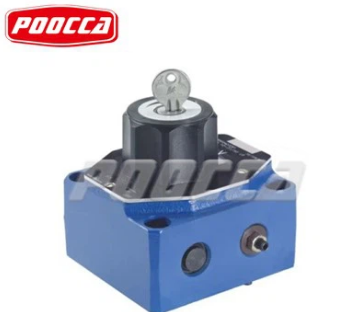
A hydraulic flow control valve controls how much hydraulic fluid moves through the system every second. It makes sure cylinders and motors run at the exact speed needed. At the same time, it stops the مضخة from working too hard and wasting power. Flow control valves do several useful things:
- Stop energy waste from too much flow
- Keep sudden pressure jumps from hurting parts
- Guard components by keeping fluid motion gentle and steady
These valves mainly come in two kinds:
- Fixed-flow control valves — They keep the same flow no matter how much pressure changes upstream.
- Variable-flow control valves — Operators can change the flow easily. This gives extra freedom and lets the system adapt quickly to different jobs.
Picture a regular water tap at home. When someone turns the handle, more or less water comes out. A flow control valve works in a similar way inside hydraulic lines.
Why Flow Control Matters: Operational Benefits
When fluid flow is not managed well, many problems can show up fast. Adding a correctly set flow control valve brings clear gains:
- Less wear on parts: The valve stops actuators, pumps, and motors from running too fast and wearing out early.
- Safer work environment: Smooth flow stops sudden jerks that could hurt people or break things.
- Lower energy use: Matching flow to real needs cuts down heat and wasted power.
- Longer machine life: Good control prevents cavitation and shock waves that destroy parts quickly.
How Flow Control Valves Actually Work Inside
To really get how these valves operate, look at the main pieces inside:
- Flow orifice: A small opening that fluid must pass through. Its size sets the top flow limit.
- Needle or spool: This part slides in or out to make the opening bigger or smaller.
- Spring: It pushes the needle or spool back to the starting spot when no one adjusts it.
- Adjustment knob or screw: The outside part a worker turns to set the desired flow.
- Housing or body: A tough shell that holds everything safely under high pressure.
Turn the knob and the needle shifts. A wider gap lets more fluid rush through. A narrow gap slows it down. In smarter designs, pressure-compensated flow valves keep the same flow automatically, even if system pressure goes up or down. It acts a lot like cruise control in a car.
Many valves also have a built-in check-valve. Fluid flows freely one way but gets blocked the other way. This is handy when the return stroke must stay fast or when backflow would cause trouble.
Adjusting Flow Control: Best Practices
Setting a flow control valve properly takes care. Follow these simple rules for great results:
- Never tighten too much: Over-tightening can block flow completely and cause dangerous heat or pressure.
- Watch pressure and flow together: Changing only flow without checking pressure can damage the system.
- Check the maker’s flow chart: Every valve comes with a guide that shows flow at different knob positions. Use it to match the pump.
- Clean lines first: Flush the system before fitting the valve. Dirt can ruin the valve quickly.
- Place it near the actuator: Close placement gives faster response and better control.
- Tighten to the right torque: Follow the maker’s numbers so nothing leaks or breaks.
Common Problems Caused by Improper Flow Control
Bad flow settings hurt the whole system. Watch for these red flags:
- Choppy or shaky actuator movement
- Slow work cycles that cut output
- Very hot oil in the tank from wasted energy
- Strange pump noises that point to cavitation or too much pressure
- Parts failing much sooner than expected
Engineers fix these by using flow meters. They measure real flow per minute and compare it to the original design numbers.
Choosing the Right Flow Control Valve
Picking the best valve for factory or mobile equipment needs careful thought:
- Flow range: Make sure the valve handles the same liters per minute or GPM as the pump.
- Maximum pressure rating: The valve must stand up to the highest pressure the system can make.
- Fluid compatibility: Seals must match the oil type, thickness, and temperature.
- Valve type: Choose fixed or variable based on the job.
- Directional needs: Look for built-in check-valve models if only one-way control is wanted.
- Mounting configuration: Cartridge or modular styles save space in tight setups.
Installation Tips for Better Longevity
Simple installation habits make valves last much longer:
- Always start with clean fluid: Dirt is the number-one killer of flow control valves.
- Check seals carefully: Replace old or damaged O-rings right away.
- Test under real conditions: Run the system at normal pressure and flow, then fine-tune the valve.
- Keep up regular checks: Look at seals, measure flow, and clean parts on a set schedule.
Why Partnering with the Right Hydraulic Manufacturer Matters
Teaming up with a trusted hydraulic maker pays off big. A good partner supplies standard valves plus custom designs, OEM or ODM work, fast help, and solid technical support. This means fewer stops and smoother running in tough factory settings.
Frequently Asked Questions (FAQ)
Q: What is the difference between a pressure control valve and a flow control valve? A: A pressure control valve keeps system pressure safe for parts. A flow control valve sets the speed and saves energy by managing flow rate.
Q: Can a flow control valve be used bidirectionally? A: Some can work both ways, but many include check valves that allow flow only one direction. Pick the type that fits the system.
Q: How often should flow control valves be maintained? A: It depends on use, but checking flow, pressure, seals, and cleanliness every 6–12 months is a safe habit.
Why Choose POOCCA as Your Hydraulic Valve Manufacturer & Supplier
POOCCA brings more than 20 years of real experience and makes over 1,600 kinds of hydraulic products. With factories in Guangdong, Zhejiang, Jiangsu, and Hong Kong plus modern machines (CNC, robots, gear-check equipment), POOCCA delivers standard and custom flow control valves quickly. Their range covers directional control valves (like P40, P80 series), pressure-reducing valves, proportional valves, and much more. POOCCA offers strong quality marks (ISO 9001, CE, RoHS), short delivery times (5–7 days for stock items), and a full 12-month warranty. If a factory or builder wants better hydraulic performance, POOCCA supplies dependable, high-quality flow control valves made for exact needs. Reach out to POOCCA’s sales or technical staff today, get a quote, or plan a system.